The latest discussion around test-time compute in AI agent evaluations points to a weakness in many benchmark conversations. A model can look much more capable when it is allowed more attempts, more tool calls, more search, or more time to reason through a task.
That matters because agents are not static answer boxes. They can plan, retry, inspect errors, use tools, and improve a result through multiple steps. If evaluations ignore compute budget, they may understate or overstate real capability depending on how the test is run.
The thread also links naturally to our earlier look at the AI agent guardrails. For this post, AI Agent Evaluation Compute Report Shows Benchmarks Need A Harder Look makes that connection specific to The AI Security Institute: the rumor or report is only useful when it is read beside product timing, component pressure, and the user trust problem around AI Safety.
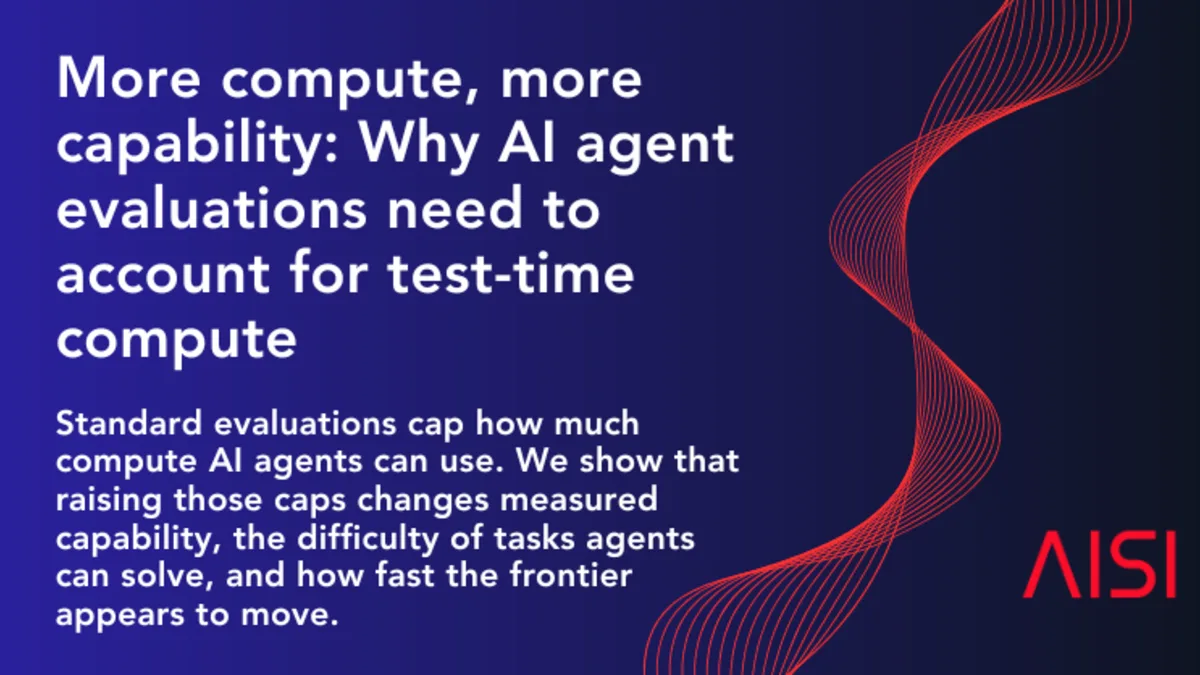
The current report from The AI Security Institute argues that AI agent evaluations need to account for test-time compute when measuring capability. That source detail gives the article a concrete starting point, but the bigger value is in reading what the report says about the product category around it.
For safety teams, the issue is serious. A model that fails a task in one shot may succeed when given a longer loop. If the task involves cyber operations, persuasion, autonomous research, or sensitive workflows, the extra compute can change the risk profile.
What makes this worth separating from a normal news brief is the way it changes near-term expectations. AI Agent Evaluation Compute Report Shows Benchmarks Need A Harder Look is really about timing, confidence, and execution. A small leak can be forgettable, but a leak that points to supply, policy, capacity, or launch positioning can shape how buyers and rivals prepare.
The benchmark design problem is similar to measuring a human with or without tools. Time, memory, search access, retry limits, and scaffolding all affect the result. Agent evaluations need to document those conditions instead of treating capability as a single number.
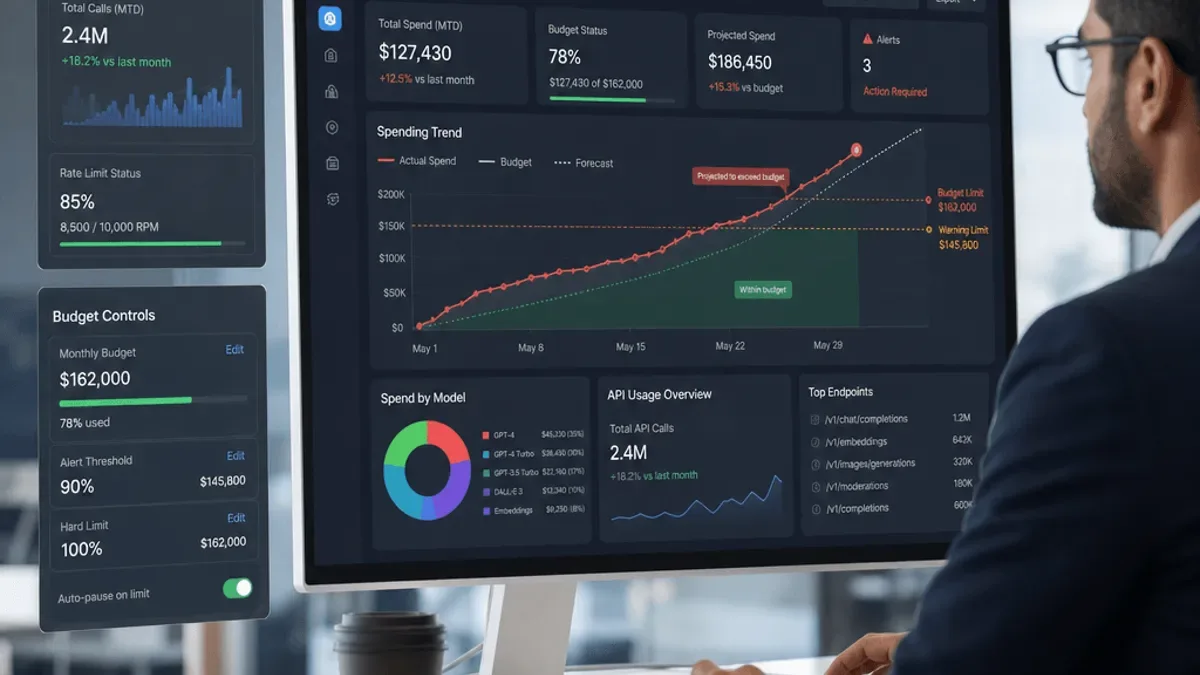
Enterprises also need this clarity. A vendor demo may show an agent solving a complex task, but buyers should ask how many attempts, tool calls, and hidden prompts were required. Cost and reliability both depend on that answer.
Another angle worth keeping in mind is audience behavior around The AI Security Institute. People following AI Agent Evaluation Compute Report Shows Benchmarks Need A Harder Look are no longer waiting passively for official launch slides; they compare leaks, supplier moves, policy signals, and early pricing clues before deciding what to buy, build, or avoid.
More compute is not always better. Agents can loop, overthink, call tools badly, or create new errors. The point is not that every task should get maximum compute; it is that evaluations should make the budget visible.
Expect future model cards and safety reports to include more detail about agent scaffolding. The next generation of AI benchmarks will need to look less like trivia tests and more like controlled workflow trials.
The practical reading is therefore cautious but not dismissive. For The AI Security Institute, the headline is the new development. For readers following AI Agents, the more durable point is whether the companies involved can turn that development into something reliable, understandable, and worth paying attention to after the first leak cycle fades.