Robinhood's AI agent comments point to a bigger shift in consumer finance: tools that once belonged to institutional desks are moving toward ordinary users. The promise is attractive, but the risk is also obvious when software begins to act inside financial decisions.
A trading assistant that summarizes markets is one thing. An agent that compares strategies, monitors positions, or executes a workflow is another. The more action the software can take, the more users need clear limits, audit trails, and plain-language explanations.
The thread also links naturally to our earlier look at the AI agent guardrails. For this post, Robinhood AI Agent Plan Shows Trading Tools Moving Closer To Consumers makes that connection specific to International Business Times: the rumor or report is only useful when it is read beside product timing, component pressure, and the user trust problem around AI Agents.
The current report from International Business Times reports Robinhood's view that AI agents could soon match human traders and bring more advanced tools to retail investors. That source detail gives the article a concrete starting point, but the bigger value is in reading what the report says about the product category around it.
For everyday investors, the attraction is access. AI could make complex market information easier to understand and reduce the gap between professional tools and consumer apps. The danger is overconfidence, especially if users treat agent suggestions as certainty.
What makes this worth separating from a normal news brief is the way it changes near-term expectations. Robinhood AI Agent Plan Shows Trading Tools Moving Closer To Consumers is really about timing, confidence, and execution. A small leak can be forgettable, but a leak that points to supply, policy, capacity, or launch positioning can shape how buyers and rivals prepare.
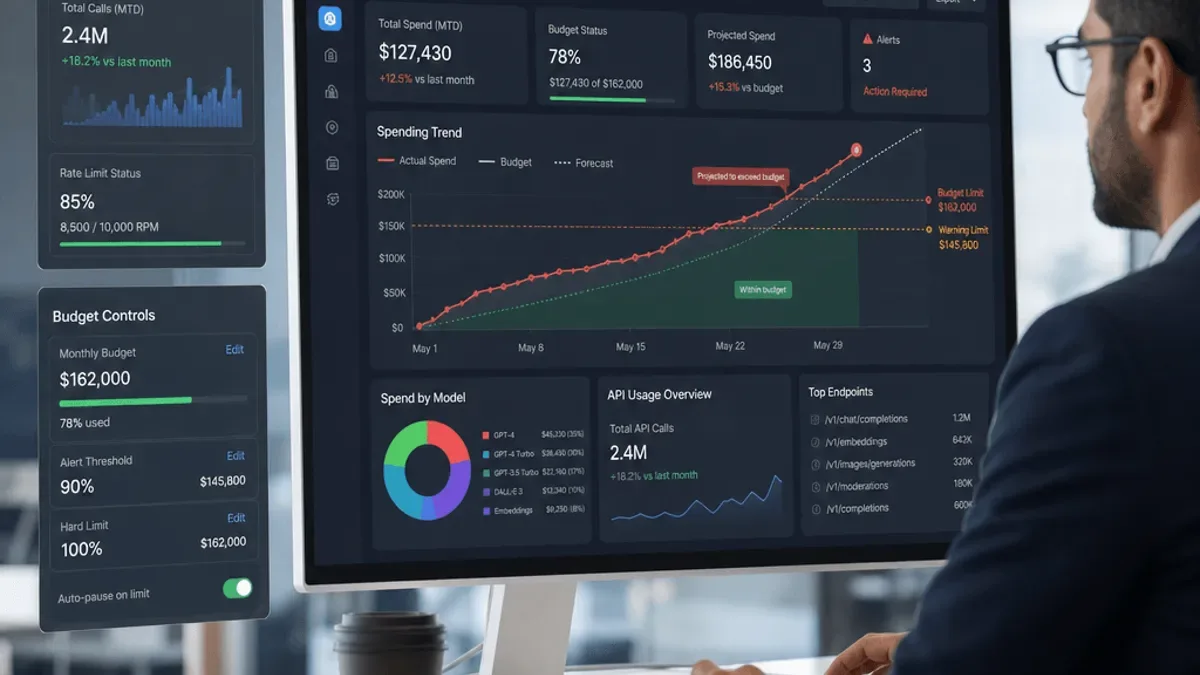
The design challenge is not only model quality. A trading agent needs permission boundaries, suitability checks, fraud detection, latency awareness, and a way to explain why it recommended or rejected an action. Without those layers, capability can become liability.
Fintech companies have always competed on making finance feel simpler. AI agents could be the next interface shift, but regulators will look closely if automation blurs the line between education, recommendation, and execution.
Another angle worth keeping in mind is audience behavior around International Business Times. People following Robinhood AI Agent Plan Shows Trading Tools Moving Closer To Consumers are no longer waiting passively for official launch slides; they compare leaks, supplier moves, policy signals, and early pricing clues before deciding what to buy, build, or avoid.
The strongest version of this future will probably start with guarded assistance rather than full autonomy. Users may get summaries, scenario analysis, and alerts before they get agents that act with broad discretion.
The useful question is not whether AI can sound like a trader. It is whether a consumer app can make AI behavior transparent enough that users understand both the opportunity and the risk before money moves.
The practical reading is therefore cautious but not dismissive. For International Business Times, the headline is the new development. For readers following Robinhood, the more durable point is whether the companies involved can turn that development into something reliable, understandable, and worth paying attention to after the first leak cycle fades.