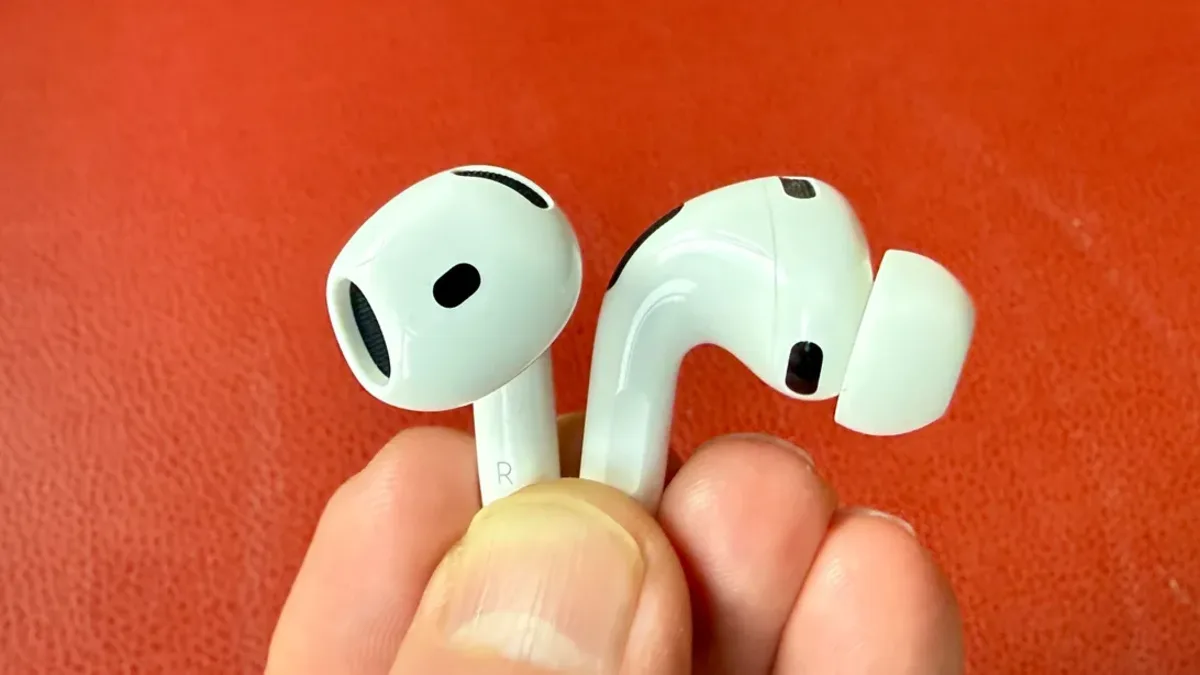
Earbuds are no longer just audio accessories. As sensors move into smaller devices, products like AirPods are starting to compete for space in the health-tracking conversation. A recent heart-rate accuracy test comparing AirPods with Apple Watch and a Polar chest strap shows why that shift matters: the ear may become one of the next serious measurement points for everyday fitness data.
The idea is appealing because earbuds are already worn during workouts. Runners, walkers, gym users, and commuters often have them in place before they start tracking anything. If heart-rate measurement is accurate enough, earbuds could reduce the need for a watch in some sessions or add another layer of data when used alongside one.
Accuracy is the key word. Health features lose value quickly if users cannot trust them. A chest strap remains the reference point for many athletes because it reads electrical heart activity close to the body. Wrist-based optical sensors are convenient but can struggle with fit, skin movement, and intense workouts. Ear-based sensing has its own challenges, but it also has potential advantages because blood flow around the ear can be easier to read in certain conditions.
CNET tested AirPods against Apple Watch and a Polar chest strap, and the comparison is more useful than a simple pass-or-fail verdict. It shows where earbuds are becoming credible and where dedicated fitness hardware still has a reason to exist.
Why health earbuds matter
If earbuds become reliable fitness sensors, Apple and other audio brands gain a new reason to upgrade. Sound quality, battery life, and noise cancellation are mature categories. Health tracking creates a more personal value proposition, especially for people who do not like wearing watches overnight or during certain workouts.
The feature also fits Apple's wider ecosystem. AirPods, Apple Watch, iPhone, and Health can work together to compare readings, fill gaps, and present trends. That kind of integration is hard for standalone earbuds to match. It also connects with the broader wearable questions we raised in wearable health data overload, where more sensors can help users only if the information remains understandable.
There are limits. Earbuds can be removed mid-workout, worn loosely, or affected by sweat and motion. Battery life also matters because sensors running continuously can drain smaller devices faster. For serious training, many users may still prefer a chest strap or sports watch. But for casual workouts, the best tracker is often the one already being worn.
The bigger lesson is that health tracking is spreading beyond obvious wearables. Watches, rings, earbuds, and even phones are becoming parts of the same personal data system. AirPods do not need to replace the Apple Watch to matter. They only need to make health sensing more available in moments when a watch is not enough or not present.
For buyers, the useful question is not whether earbuds are the most accurate health device in every condition. It is whether they are accurate enough for the workouts and habits people already have. If the answer keeps improving, earbud health tracking could become one of those features users do not plan around but eventually miss when it is absent.