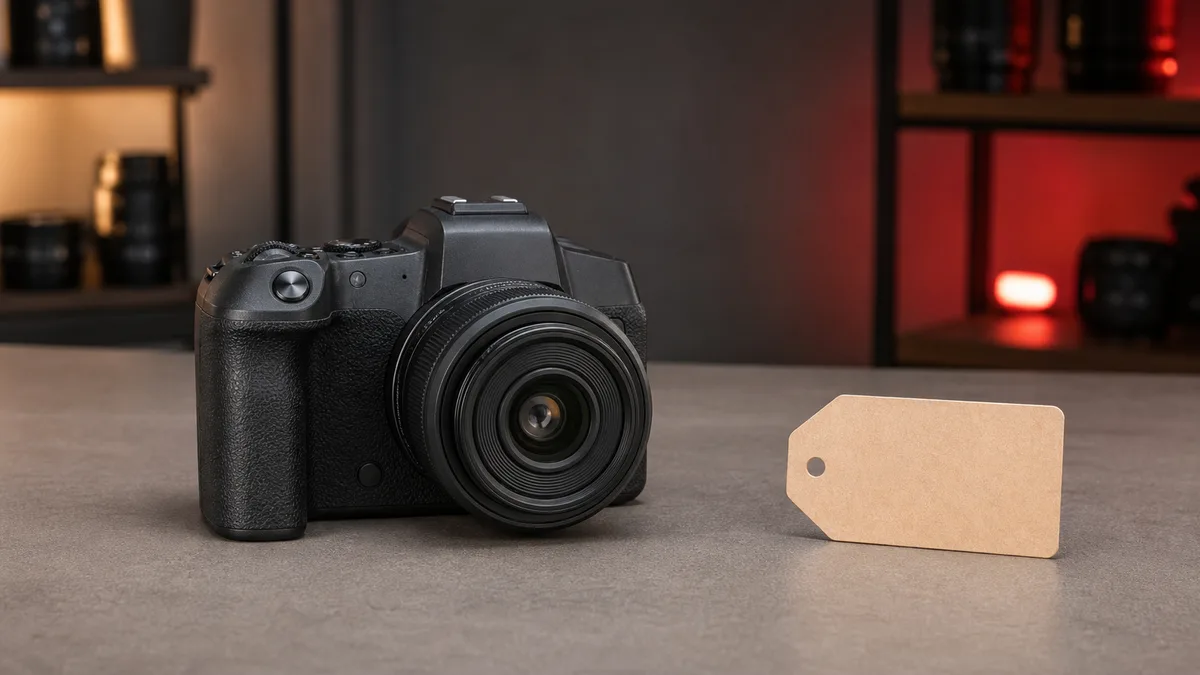
The Canon EOS RP discontinuation is a quiet camera story, but it marks a meaningful shift in the entry full-frame market. The RP was never the most powerful mirrorless body, and that was the point. It gave many buyers a relatively affordable path into full-frame photography at a time when larger sensors still felt financially distant.
Discontinuation does not erase that role. It shows how the market has moved. Full-frame mirrorless bodies are now more common, used prices have changed, and creators have different expectations around autofocus, video, stabilization, and connectivity. A camera that once felt like a clever entry point can begin to feel dated as newer bodies normalize better performance.
The RP's importance was always about access. It let hobbyists, travelers, portrait shooters, and Canon lens owners step into full frame without buying a flagship. Its compromises were visible, but the value was obvious. That balance is harder to maintain now because even entry users expect strong video tools, subject tracking, and reliable low-light performance.
The discontinuation was reported by DoNews, and it arrives while phone cameras continue pressuring casual camera purchases. Our Sony Xperia camera-phone coverage showed how mobile imaging keeps borrowing ideas from dedicated cameras, making the low-end camera market more difficult.
Entry Full Frame Has to Work Harder
A modern entry full-frame camera cannot rely on sensor size alone. Buyers want autofocus that tracks people and animals, video that does not feel like an afterthought, strong app transfer, good viewfinders, and lenses that do not make the body price feel misleading. The camera body may be affordable, but the full system still has to make sense.
Canon has the advantage of a large ecosystem, but ecosystem strength cuts both ways. New buyers compare body prices with lens costs. If a cheap full-frame body leads to expensive glass, some users may choose APS-C, Micro Four Thirds, or even a premium phone instead. The entry camera has to feel accessible after the first purchase, not only at checkout.
The EOS RP also shows how long camera bodies can stay relevant when pricing is right. Many users do not need the newest autofocus system or highest bit-rate video. They need reliable stills, good color, and a sensor that gives them the look they want. Used RP bodies may continue serving that role even after official discontinuation.
Still, the product line has moved on. Canon's next entry-level full-frame pitch needs to answer a market that expects more from less. The RP helped open the door. Its retirement shows the doorway has changed.
The used market may keep that doorway open for a while. A discontinued body can become attractive when prices fall and expectations become realistic. For learners, the EOS RP may still offer a gentle way into full-frame depth of field and Canon color. The lesson for Canon is not that affordable full frame failed. It is that the next affordable model must feel modern without losing the simplicity that made the RP approachable.
That balance is harder now because creators expect one camera to handle stills, short video, live streaming, and travel. Canon can still serve entry full-frame buyers, but the replacement story must be broader. The next low-cost body cannot be only a cheap sensor; it has to feel like a complete creative tool.