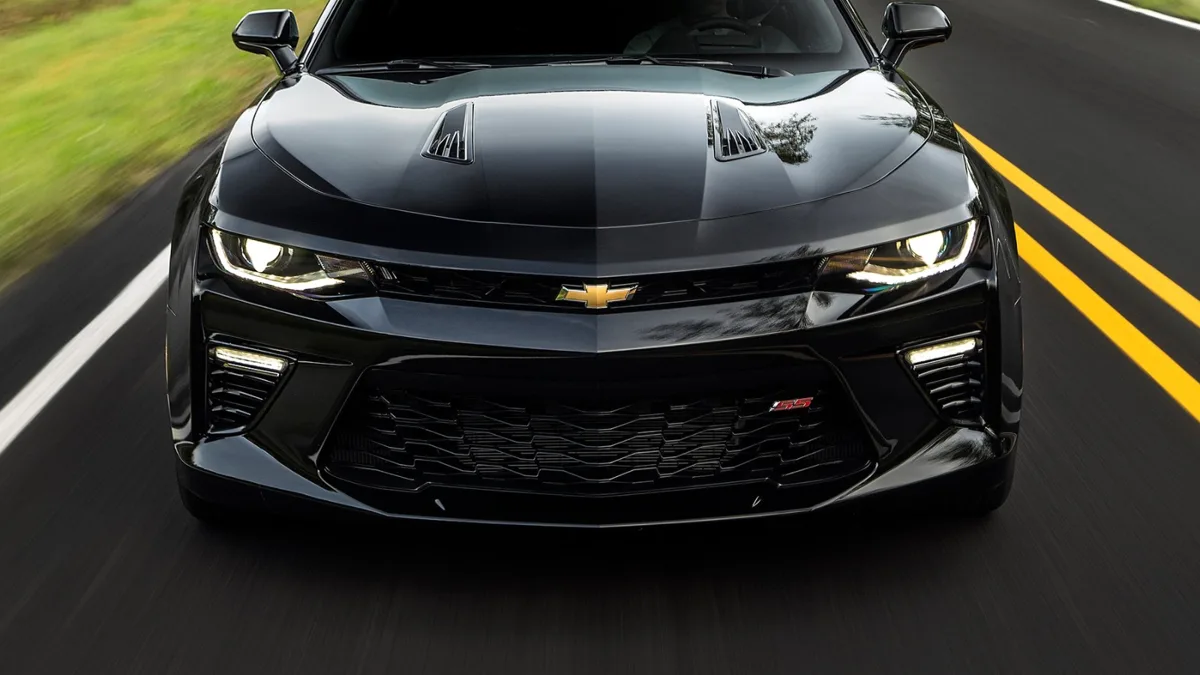
The Chevrolet Camaro may be preparing for the kind of comeback that will annoy purists and still keep the name alive. A report that the next Camaro could become a four-door V8 muscle car sounds strange at first, because the Camaro identity has always been tied to two-door pony-car proportions. But the deeper story is not just about door count. It is about how General Motors might keep a performance badge relevant without forcing it into a fully electric future too soon.
A four-door Camaro would be a major shift, but not an impossible one. Dodge already changed the muscle-car conversation with the Charger, and buyers have shown that they will accept performance sedans if the stance, sound, and power feel authentic. The risk for Chevrolet is that Camaro fans may see extra doors as a betrayal. The opportunity is that a more usable body could bring in buyers who love V8 attitude but need a car that works beyond weekend driving.
The most important part of the rumor is the engine. Keeping a gasoline V8 would give Chevrolet a clear emotional hook at a time when many performance brands are talking about batteries, hybrids, or smaller turbo engines. The market does not need every sporty car to take the same path. Some buyers still want mechanical drama, and the Camaro name is one of GM's strongest ways to deliver it.
Autoblog reported that Chevrolet's next Camaro may return with a V8 and could adopt a four-door layout. That combination is what makes the story interesting: the powertrain would preserve the old emotional center, while the body style would change the use case.
This is a different answer from the EV-first strategies we have covered, including the way the Ford affordable electric pickup is being shaped around access and utility. Chevrolet would be doing almost the opposite with Camaro: using a familiar performance formula to protect brand identity while widening the audience through practicality.
The design will decide whether the idea works. A Camaro sedan cannot look like a generic sportback with a badge pasted on. It needs a low roofline, strong shoulders, aggressive lighting, and proportions that still communicate rear-drive performance. If Chevrolet makes it too sensible, enthusiasts will reject it. If it makes it too compromised, families will not see the point.
Pricing will be just as important. A V8 four-door Camaro could sit below expensive European performance sedans while offering more character than mainstream family cars. That would give Chevrolet a clearer position than trying to revive a two-door coupe in a shrinking segment. The car has to feel attainable enough for muscle-car buyers, not like a collector toy.
The rumored Camaro shows how messy the performance transition remains. Electric speed is easy to advertise, but sound, heritage, and everyday usability still matter. A four-door V8 Camaro would be controversial, but it could also be one of the few ways to keep the badge visible in a market that has moved away from traditional coupes.
For Chevrolet, the smarter move may be to treat the next Camaro as a usable performance car instead of a museum piece. The people who still care about big engines are not all looking for a two-seat weekend toy. Some want one car that can take kids to school, sit in traffic, and still feel special on an open road. That is where a four-door V8 Camaro could earn its place. It would not replace the old coupe emotionally, but it could keep the name active in a market that has little patience for impractical nostalgia.