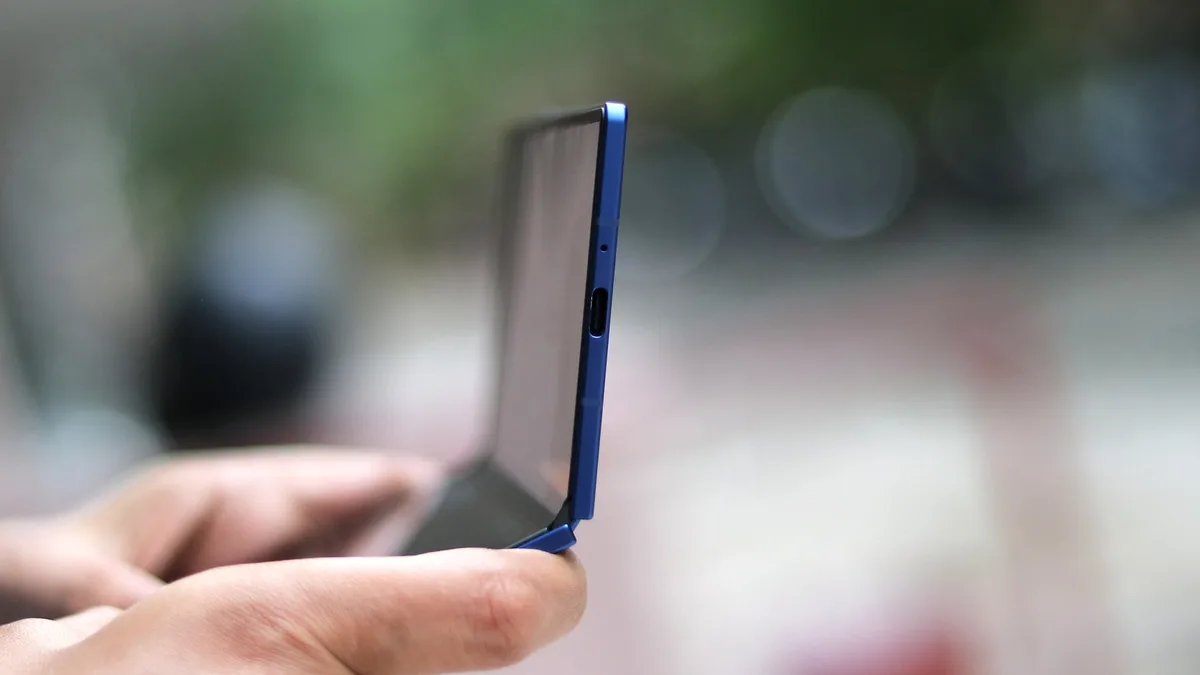
The Commodore name returning on a flip phone sounds strange at first, but the timing is not random. People are tired of phones that behave like endless feeds, and retro hardware is no longer only about nostalgia. The Commodore Callback 8020 enters that mood as a deliberately simpler device, one that tries to make a phone feel like an object again instead of a glass portal to everything.
This kind of product lives in a difficult space. A retro phone has to look charming without becoming a toy. It also has to reduce distractions without feeling useless. The Callback 8020 appears to be aiming at buyers who want calls, basic communication, and a physical form factor that feels different from the usual slab. That may be a small audience, but it is an audience with clear intent.
The Commodore brand adds a particular emotional hook. For older computing fans, Commodore does not mean luxury. It means accessible machines, personality, and a sense that hardware could be fun without being polished into sameness. Bringing that memory to a flip phone will only work if the final product respects the idea instead of simply using the logo as decoration.
Android Police covered the Commodore Callback 8020 as a retro-inspired, de-Googled flip phone, presenting it as a small but notable gadget for people interested in simpler mobile hardware. The de-Googled angle matters because it shifts the product away from pure novelty and toward a privacy and attention-management pitch.
That pitch is increasingly relevant. The phone market is full of devices that are objectively powerful but emotionally exhausting. A simpler flip phone offers boundaries by default. It closes. It has a smaller screen. It slows down the habit loop that modern smartphones are built to accelerate. Whether buyers keep using that kind of device after the novelty fades depends on how well it handles the boring basics.
There is also a useful connection to the broader second-life hardware trend, including our earlier look at old Pixel phones being repurposed into compute clusters. Both stories show that people are rethinking what phone hardware can be after the normal upgrade cycle. Some want old phones to become tools. Others want new phones to become less demanding.
The Callback 8020 will need to prove itself on details that retro marketing cannot hide. Battery life should be excellent. Calling quality should be dependable. Messaging should not feel painful. The software should be clear, fast, and stable. A minimalist phone can survive missing social features, but it cannot survive being annoying at the few things it promises to do well.
Pricing will also shape the reaction. A simpler phone cannot cost like a flagship unless it offers unusually strong materials, repairability, or privacy guarantees. The best version of the Callback 8020 would make restraint feel intentional, not cheap.
That is why this gadget is worth watching even if it never becomes mainstream. It reflects a real countercurrent in mobile tech: not every buyer wants the most capable phone possible. Some want a phone that interrupts less, lasts longer, and looks like it belongs in a pocket rather than a productivity dashboard. The Commodore Callback 8020 may be small, but the desire behind it is not.