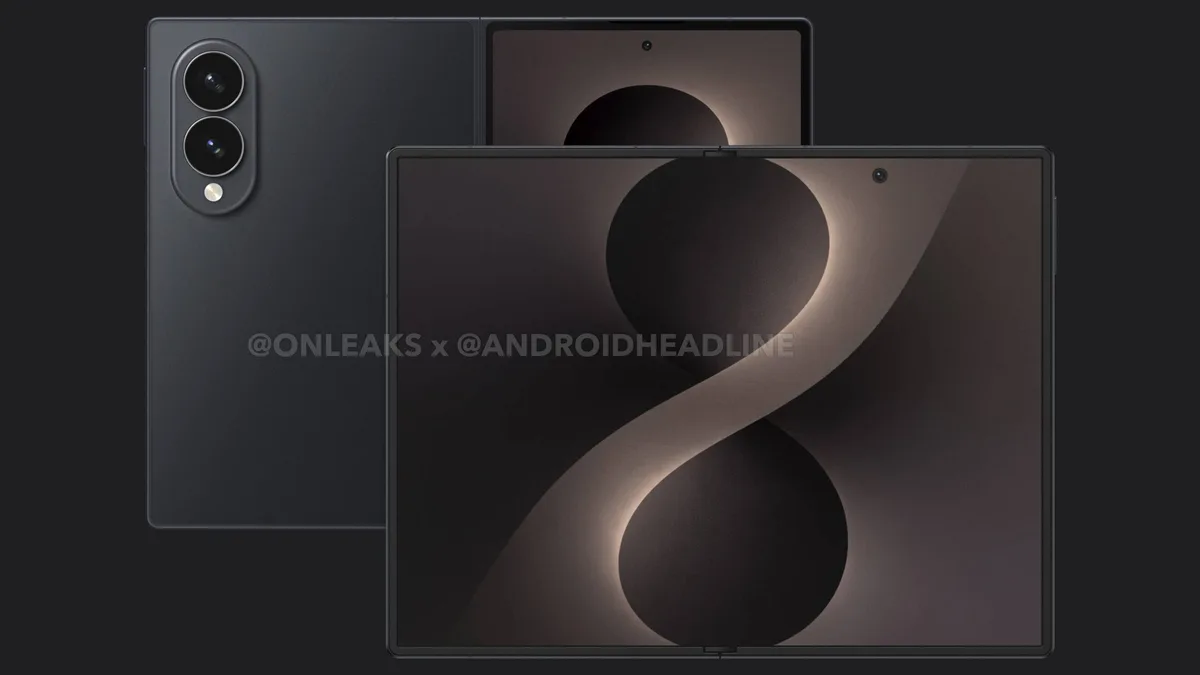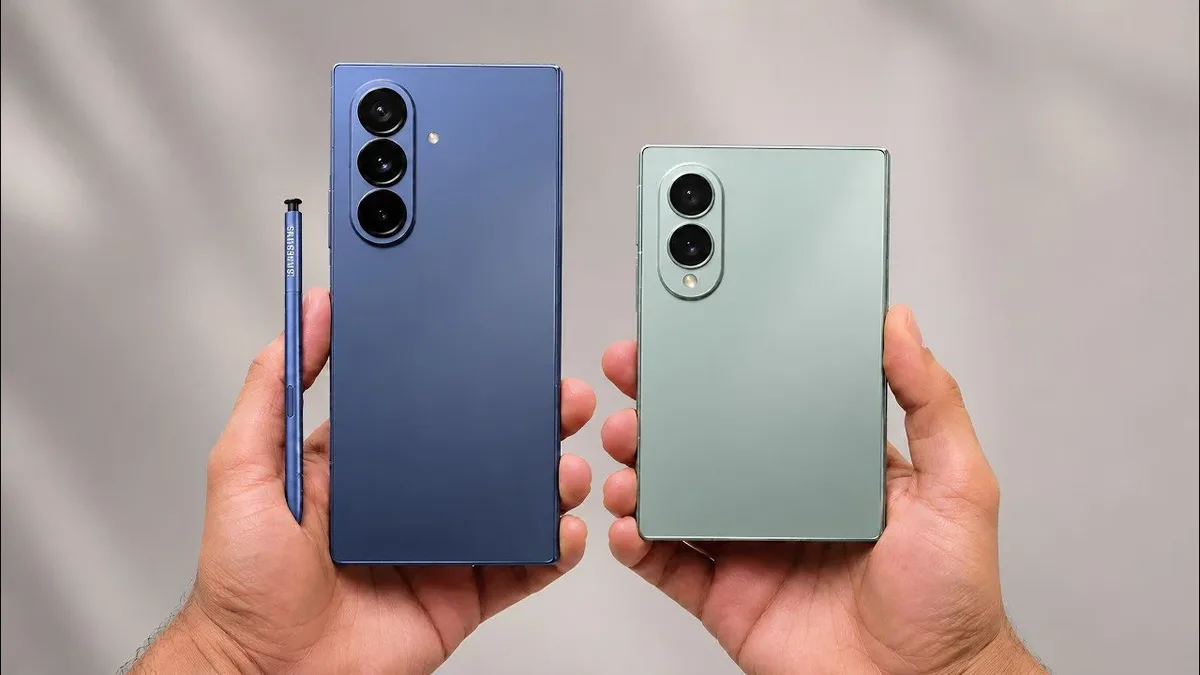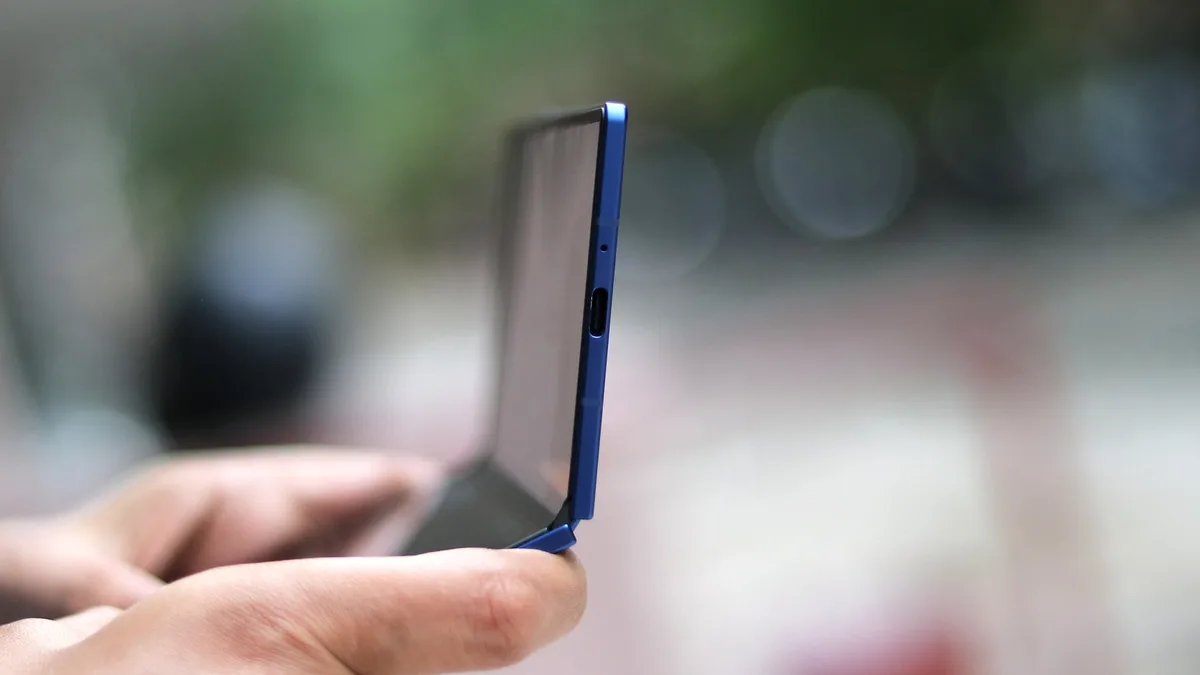
The Galaxy Z Fold 8 may be headed for a less flashy but very meaningful display upgrade: thicker ultra-thin glass. Foldable phones are often judged by camera bumps, hinge shapes, and display sizes, yet the crease remains the thing people check first in a store. If Samsung can make that crease feel smoother and look less obvious, the Fold 8 could gain trust before users even open a spec sheet.
The report points to a move from 45um ultra-thin glass on the Galaxy Z Fold 7 to 60um glass on the next generation. That sounds small, but in foldable display engineering it is not trivial. The cover material has to bend repeatedly, resist damage, protect the softer layers below, and still feel pleasant under a finger. Thicker glass could help strength and surface feel, but it has to work with the hinge radius and panel stack.
Samsung has spent years making foldables less fragile in perception as well as reality. Water resistance, hinge refinement, and stronger panels helped the category mature, but many buyers still worry about long-term wear. A smoother crease would not answer every durability concern, but it would attack the most visible reminder that a foldable display is different from a normal phone screen.
SamMobile cited a Korean report saying Samsung's next Fold models could use thicker UTG, with 60um glass replacing the 45um layer used on the current Fold generation. The report also frames the change as a way to make the folding display stronger while reducing the crease impression.
The key word is impression. Foldable creases are not only measured by depth. They are experienced through glare, touch, and expectation. A crease that catches less light or feels less abrupt can make the phone feel more premium even if it is still visible. That matters in stores, where buyers often decide whether a foldable feels acceptable in the first few seconds of handling it.
This story connects naturally with earlier Samsung display rumors, including the Galaxy Z Fold 9 UTG leak about stronger crease hardware. The direction is consistent: foldables are moving from proving they can fold toward proving they can age gracefully. Samsung cannot rely forever on the novelty of a big inner display.
There are tradeoffs to watch. Thicker glass could affect flexibility, weight, production yield, or cost if the rest of the panel stack is not redesigned around it. Samsung also has to avoid making the display feel harder at the expense of impact behavior. Foldable engineering is a balance of materials, adhesives, hinge motion, and panel protection, so one improved layer does not guarantee a perfect result.
Repair cost is another part of the equation. A tougher-feeling inner display helps only if buyers believe a future replacement will not be painfully expensive. Durability messaging needs service confidence behind it.
Still, the leak points to the right problem. Most foldable buyers already understand that Samsung can build a book-style phone. The next step is making that phone feel less like a compromise every time it opens. If the Galaxy Z Fold 8 arrives with a smoother crease, a wider cover display, and the expected flagship connectivity, Samsung may finally make the category feel more settled than experimental.