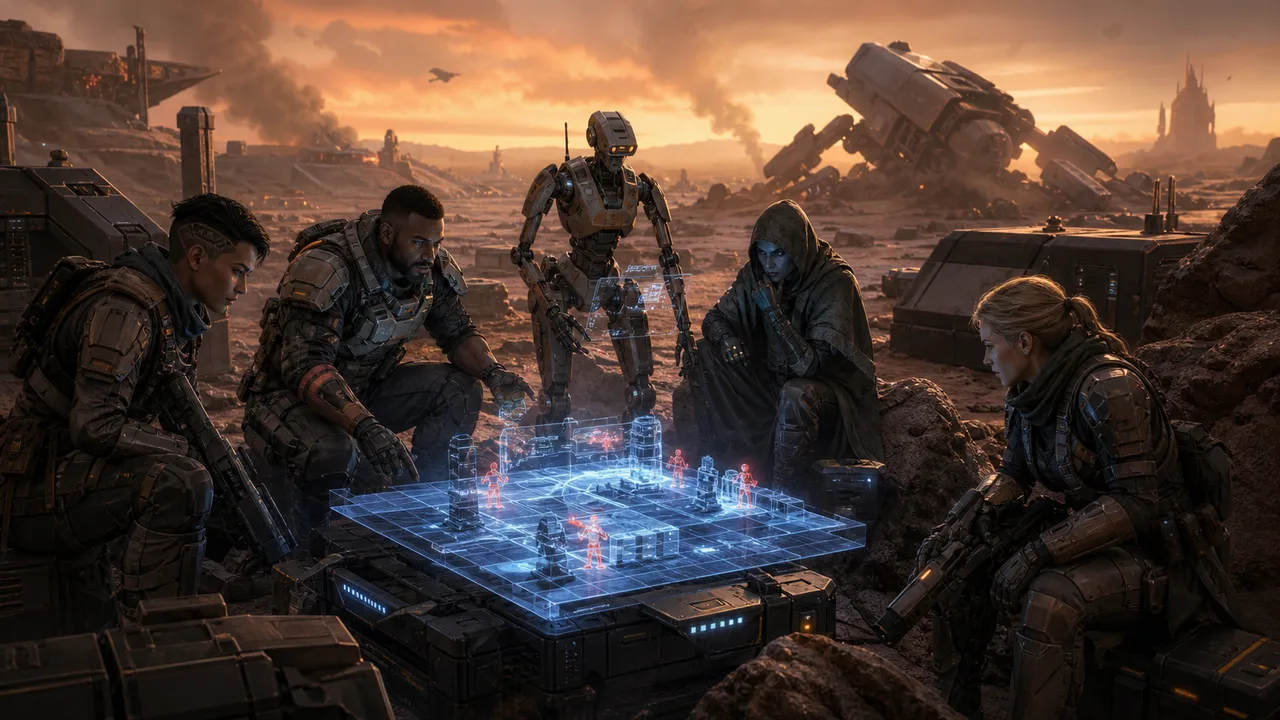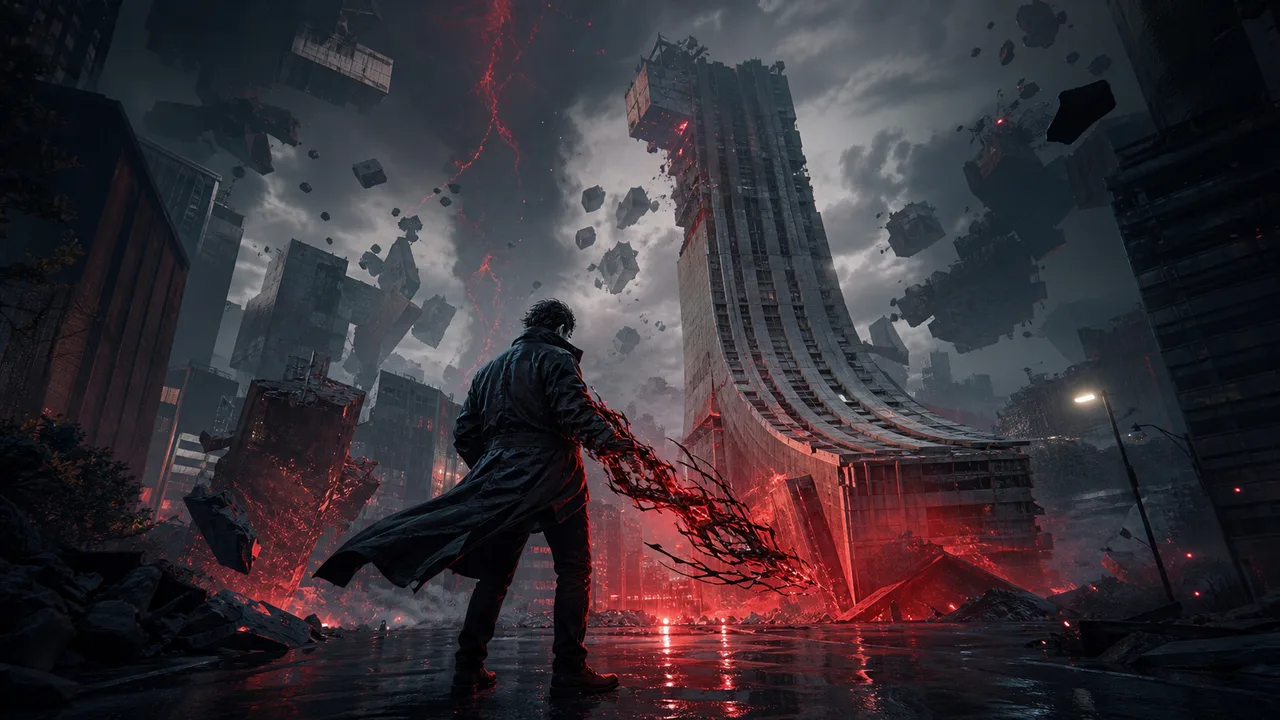
Control Resonant looks like Remedy making a deliberate turn back toward the thing players wanted after FBC: Firebreak's uneven reception: a focused, strange, single-player supernatural action game. The sequel is now set for September 24, 2026 on PC, PlayStation 5, and Xbox Series X and S, but it is not simply another tour through the Oldest House. Remedy is shifting attention toward Dylan Faden and a reality-bending crisis across New York, which immediately expands the series without abandoning its eerie bureaucratic core.
Dylan is a risky protagonist because he comes with heavy baggage from the first Control. That can be useful. Jesse Faden's story was about entering the Federal Bureau of Control and becoming its director. Dylan's story can be about damage, power, resentment, and the cost of being treated like an object of study. A sequel centered on him should feel less controlled and more volatile, especially if New York itself is being warped by forces the Bureau cannot contain.
The combat shift may be even bolder. Remedy is reportedly moving toward melee-focused action RPG systems, with Dylan wielding a shapeshifting weapon called the Aberrant. Talent trees, customizable abilities, and buildcrafting can make the sequel deeper, but they also risk diluting Control's clean telekinetic identity. Resonant needs customization that changes playstyle without turning every encounter into loot math.
PC Gamer reports the September 24 date, the shift to Dylan, the New York crisis, the Aberrant weapon, action RPG systems, and returning figures such as Emily Pope and Caspar Darling. Those details suggest Remedy is treating Resonant as a full sequel rather than an expansion wearing a larger coat.
The move out of the Oldest House could refresh the series if the level design stays strange. Control's original building was memorable because it made government architecture feel impossible: brutalist, procedural, haunted, and almost alive. New York gives Remedy scale, but scale is not automatically better. The city needs to feel altered by impossible logic, not just dressed with red lighting and floating debris. Vertical spaces, shifting interiors, and public places turned uncanny could make the setting work.
Resonant also fits the industry swing back toward authored campaigns. Alongside God of War: Laufey and Marvels Wolverine, it shows that single-player action games remain central even after years of live-service pressure. Remedy's advantage is tone. Very few studios can make a filing cabinet, a motel key, or a corporate hallway feel threatening without overexplaining the joke.
If Control Resonant keeps that confidence while making Dylan mechanically distinct, it could be Remedy's most important release in years. The sequel does not need to become bigger in every measurable way. It needs to become stranger in ways the player can feel through movement, combat, and the rules of the world breaking around them.
Remedy should also keep documents, broadcasts, and optional discoveries meaningful. Control's world worked because side material did not feel like encyclopedia padding; it made the impossible bureaucracy funnier and more frightening. Resonant can use New York to make those fragments public, messy, and harder for the Bureau to contain.