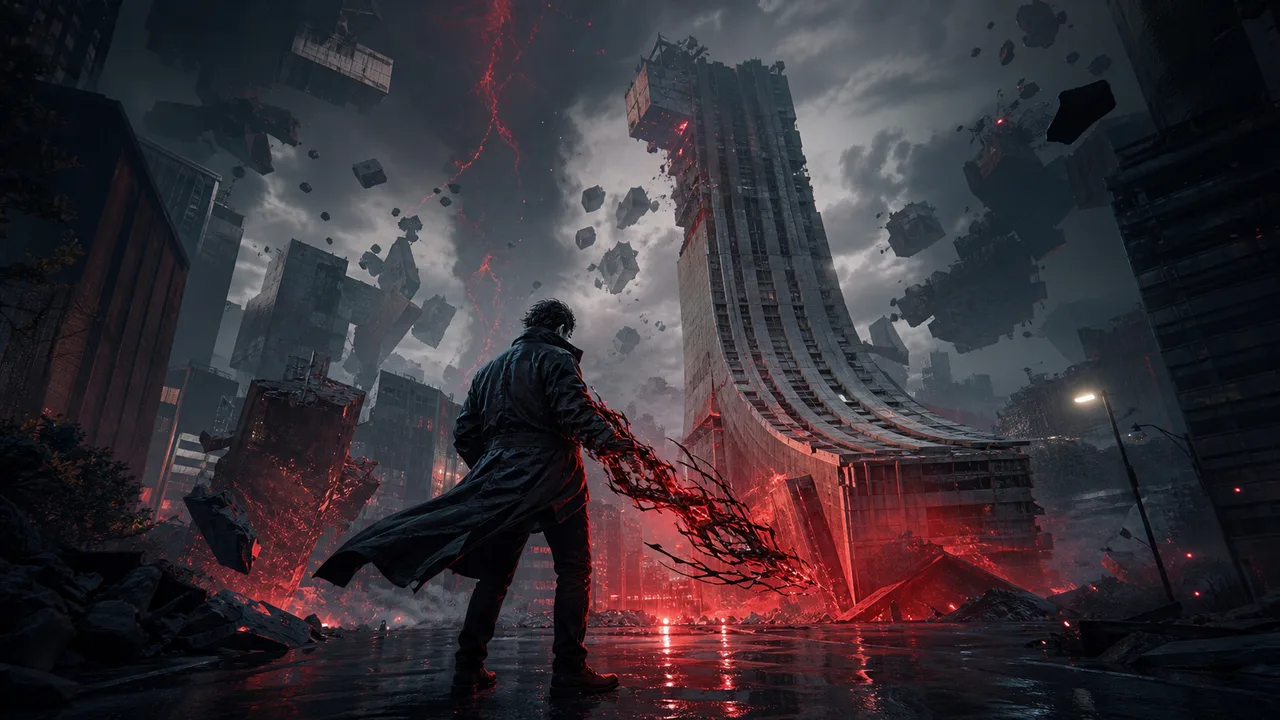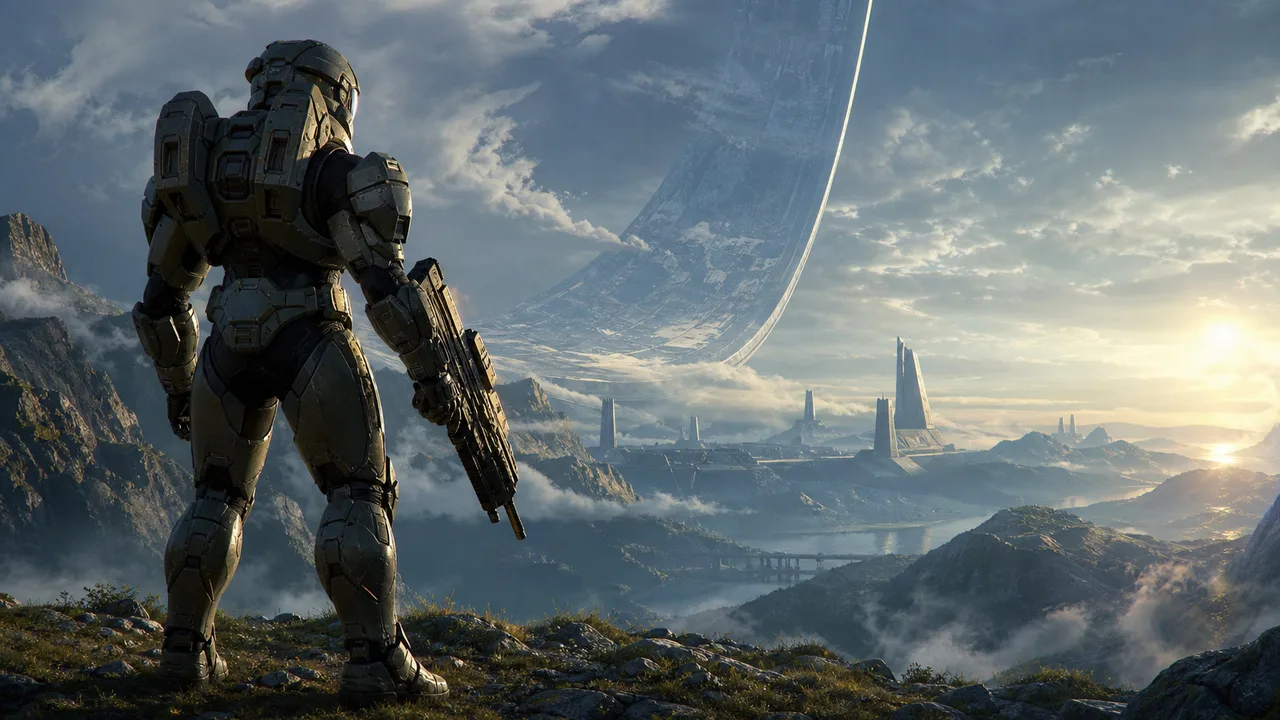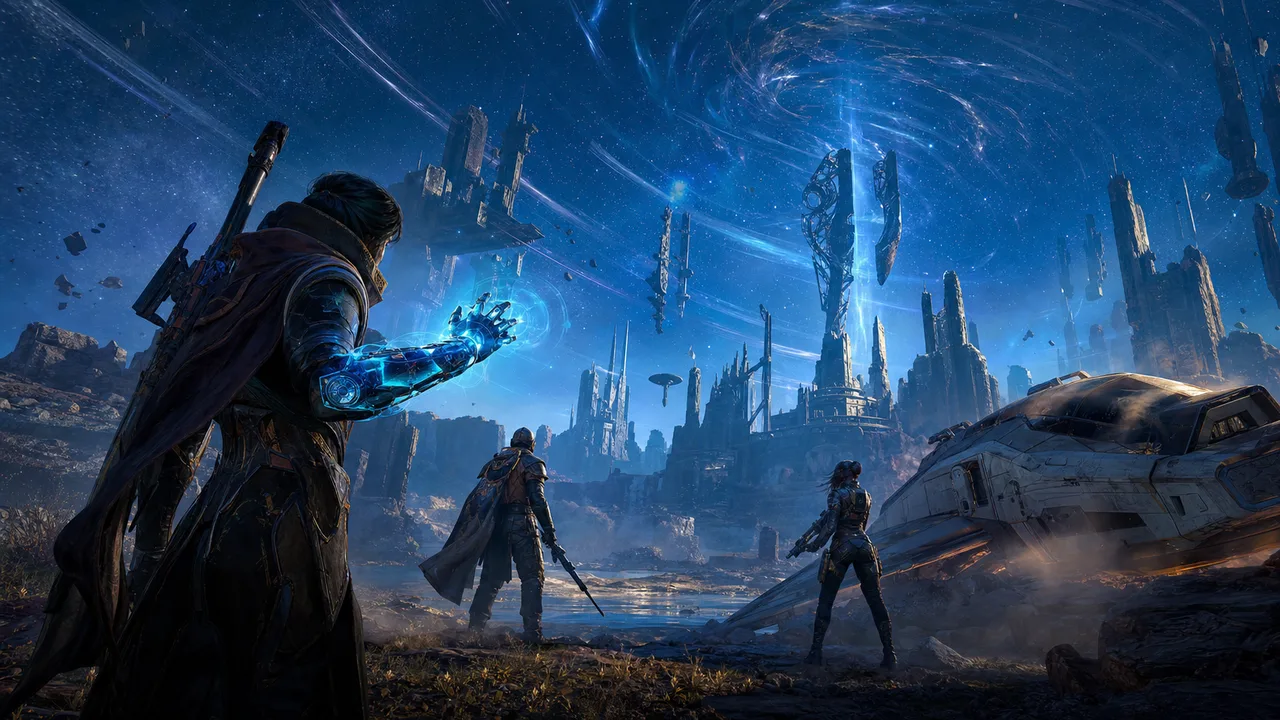
Exodus has always invited the Mass Effect comparison because Archetype Entertainment is full of BioWare veterans, but the latest gameplay impressions suggest the studio is trying to build something with its own weight. The early 2027 sci-fi RPG casts players as Jun Aslan, a Traveler moving through the Centauri Cluster while humanity faces extinction-level pressure. That premise is familiar enough to be readable, but the time dilation idea gives Exodus a sharper identity than another crew-and-ship adventure.
The central promise is that choices made during missions can echo across time for people left behind. That is the kind of science-fiction mechanic that can be more than lore if the game commits to it. A decision should not only change a dialogue line. It should alter relationships, resources, settlements, and the emotional distance between the player and home. If Jun returns from a mission and years have changed what they were trying to save, the RPG consequences become structural.
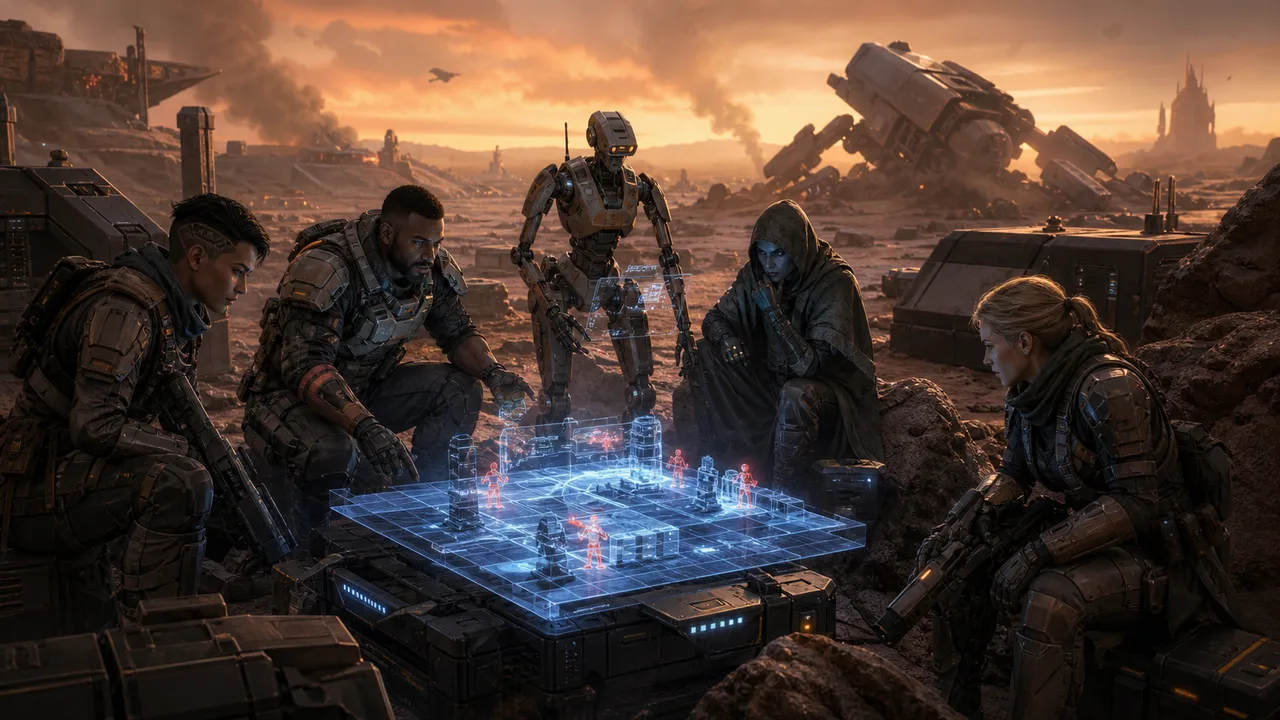
Hands-on reports also describe combat as more tactical than a simple third-person shooter. Stealth, positioning, pre-combat planning, weapon modifications, and companion abilities appear to matter. That is encouraging because story-driven RPGs often struggle when the combat becomes filler between conversations. Exodus needs the battlefield to feel like part of the role-playing, where preparation and squad identity shape outcomes.
GamesRadar described the recent hands-on as an ambitious RPG with tactical third-person mechanics, tactical preparation, character customization, and the long-term promise of world-altering consequences. The preview also notes rough edges, which is not surprising for a large RPG still targeting 2027, but the underlying structure sounds more thoughtful than a generic space shooter.
The companion angle will be decisive. Exodus can borrow the emotional expectation of BioWare without copying its exact relationship formula. Players will want loyalty, conflict, romance, disagreement, and consequences, but the time dilation premise can make those relationships stranger. A companion might not only change because of approval. They might change because time itself has moved differently around choices. That could give the crew drama a science-fiction bite.
Technically, Exodus also sits in the same demanding space as other 2027 RPGs, including Final Fantasy VII Revelation. Big worlds, cinematic scenes, player choice, and combat systems are expensive to ship cleanly. Archetype does not have decades of released games under its own name, so trust will come from transparent previews, strong optimization messaging, and evidence that the ambition is playable rather than only written in design documents.
If Exodus lands, it could fill a real gap. Players still want big, earnest, choice-heavy science fiction, but they have become less patient with hollow promises. The game does not need to outrun Mass Effect's legacy. It needs to prove that its own universe can make players feel the cost of time.
The visual language will need similar restraint. Space RPGs often drown players in glowing panels and proper nouns. Exodus will be stronger if its ships, settlements, creatures, and armor tell cultural stories without requiring a codex every few minutes. The universe has to feel ancient and practical, not just expensive.