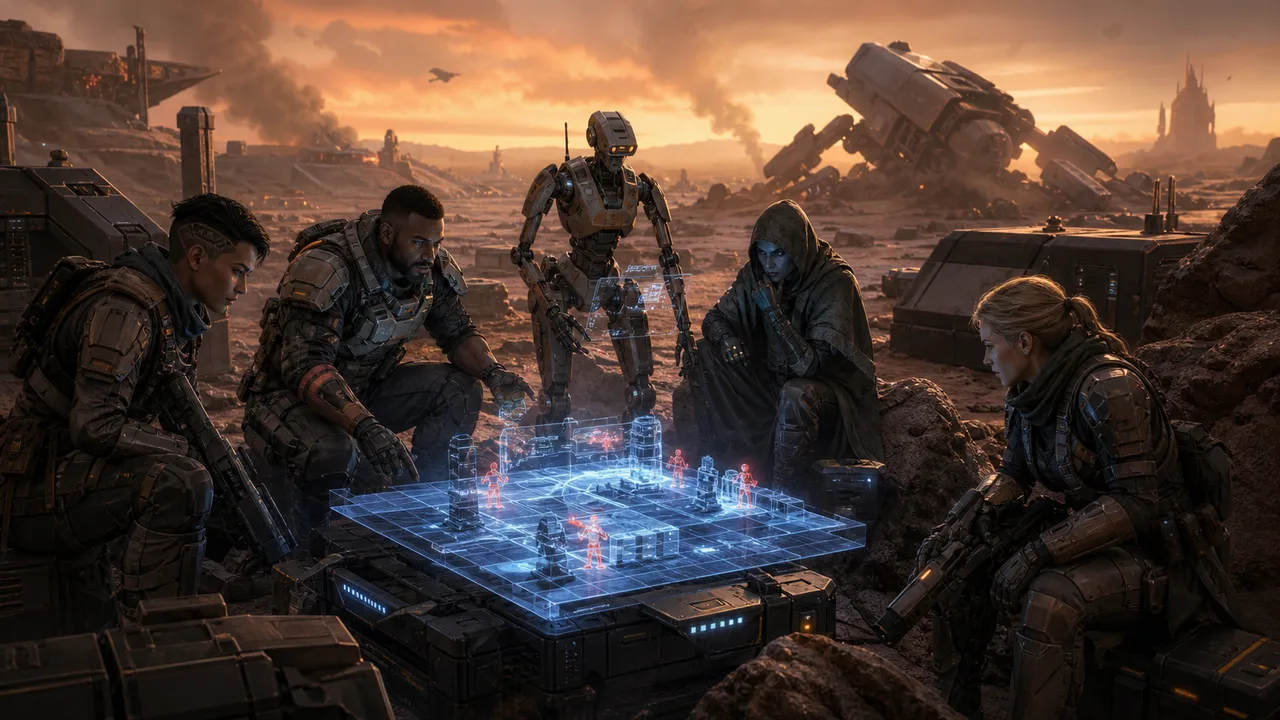
Star Wars Zero Company is a smart use of the license because it does not try to make players another unstoppable Jedi. The August 27, 2026 tactical RPG from Bit Reactor and Respawn sits in the Clone Wars era and focuses on a covert mercenary squad operating around the edges of a much larger conflict. That immediately gives the game a stronger design identity. Star Wars has enough lightsaber power fantasies. A tactics game can make the galaxy feel dangerous by making every move, flank, wound, and rescue matter.
The XCOM comparison is obvious, but Zero Company seems to be layering in more character-led role-playing than a pure tactics board. Players lead Hawks and build a mixed squad that can include clone troopers, alien mercenaries, a Mandalorian, a Jedi Padawan, and other specialists. That setup creates a natural bridge between tactical planning and companion attachment. If a mission goes wrong and permadeath is real, losing a squad member should feel like losing a character, not just a build.
The Clone Wars timeline is also a useful choice. It gives the game a recognizable military backdrop while leaving room for original operations. The war is vast enough that a covert squad can matter locally without needing to rewrite the films or animated series. Anakin Skywalker appearing as a cameo can add excitement, but the healthier long-term route is to let Zero Companys own cast carry the emotional stakes.
PC Gamer reported the August launch, the former XCOM developer pedigree, customizable characters, loyalty-style missions, permadeath, and Anakin's appearance in the new trailer. Those details matter because the game is not being sold only as Star Wars with turns. It is being sold as a squad story where strategy and attachment intersect.
The three-action-point structure could be the decisive mechanic. It should allow movement, ability use, overwatch-style choices, and riskier plays without feeling too rigid. The best tactics games make players feel clever when a plan works and personally responsible when it fails. Star Wars can enhance that with familiar silhouettes and sound design, but it cannot replace good encounter construction. Droids, cover, elevation, objectives, and extraction pressure will decide whether missions stay interesting after the novelty fades.
Zero Company also fits the broader return of focused single-player and strategy projects after years of live-service fatigue. It sits beside games like Control Resonant in showing publishers are again willing to fund defined experiences with strong premises. Not every licensed game has to chase endless engagement. Some should give players a campaign worth replaying because choices, losses, and squad composition change the texture.
If Bit Reactor gets the tactical math right, Zero Company could become the most interesting Star Wars game since Jedi: Survivor precisely because it is not trying to be a Jedi game. The galaxy feels larger when the camera moves away from destiny and toward people making hard calls with limited resources.
The user interface may decide how approachable it feels. Star Wars fans who do not usually play tactics games will need clear hit previews, readable cover rules, fast undo before commitment, and mission summaries that explain failure without shaming experimentation. Accessibility can broaden the audience without softening the strategy.