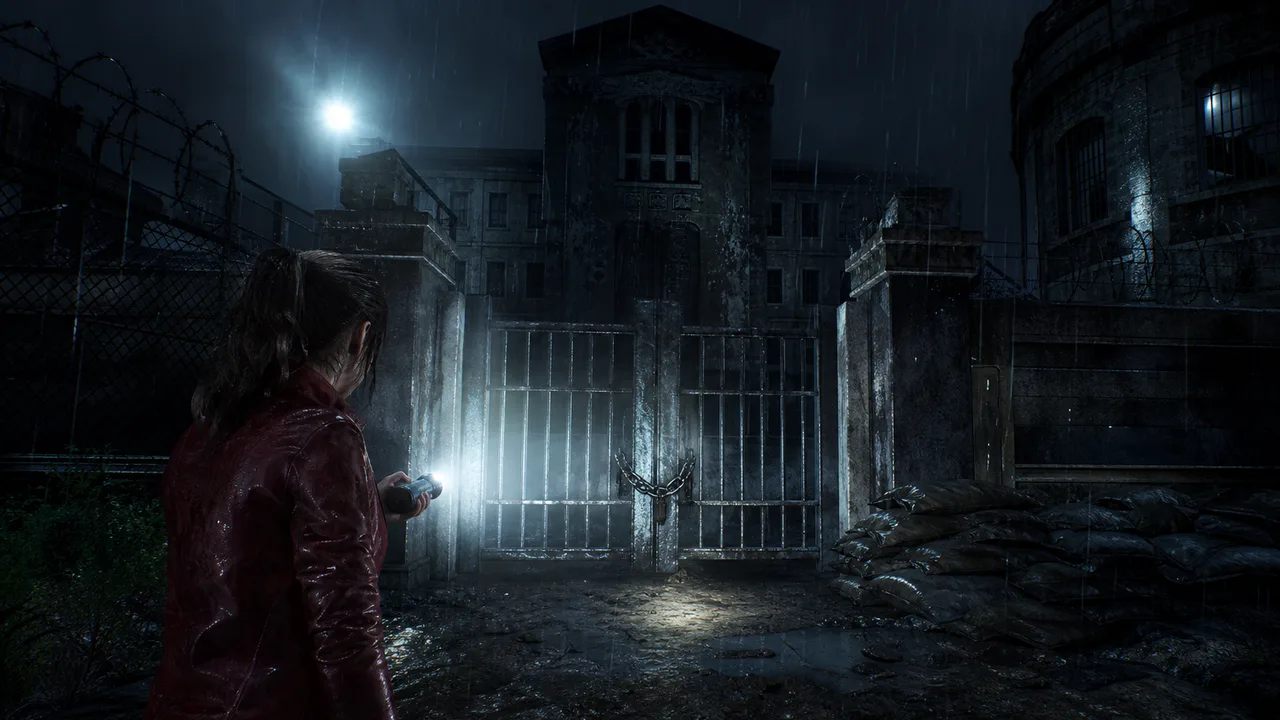
Resident Evil Veronica is exactly the remake Capcom needed to make if it wanted its modern survival-horror run to feel complete. Code Veronica has always occupied an odd space in the franchise. It is not a numbered entry, yet it carries major story weight for Claire, Chris, Wesker, and the post-Raccoon City timeline. A modern remake gives Capcom the chance to correct that public perception and fold one of the series strangest mainline-adjacent chapters into the design language that made Resident Evil 2 and Resident Evil 4 work again.
The 2027 remake is especially interesting because Veronica is more gothic and melodramatic than the recent remakes. Rockfort Island, the prison setting, Antarctica, the Ashford family, and the storys heightened villainy all lean into a colder, stranger kind of horror. If Capcom simply smooths it into the same rhythm as Resident Evil 2, it could lose the theatrical discomfort that made the original memorable. The challenge is to modernize without sanitizing.
The move to a fully third-person perspective makes practical sense. Fixed cameras and tank controls were part of the Dreamcast eras texture, but Capcoms current audience expects over-the-shoulder readability, modern aiming, and responsive survival pacing. That does not mean the game should become action-heavy. Veronica needs scarcity, awkward routes, tense backtracking, and enemies that make every missed shot feel expensive.
Windows Central reports Capcoms confirmation that the remake will be fully third-person, built in the RE Engine, and expected for modern platforms including Xbox Series X and S, PlayStation 5, Nintendo Switch 2, and PC. That platform list also makes technical consistency a real topic, because the RE Engine has to preserve mood across machines with very different performance profiles.
The remake could also help newer players understand why Code Veronica matters. Claire's search for Chris is not a side story. It connects Resident Evil 2s aftermath to later franchise conflicts and gives Wesker another step toward becoming the long-running antagonist fans remember. A remake can sharpen that narrative, trim old pacing problems, and build stronger emotional links without turning every scene into exposition.
There is also a lesson here for the broader remake cycle. Games like Tomb Raider: Legacy of Atlantis and Resident Evil Veronica are not valuable merely because old names still sell. They are valuable when they clarify what the original was trying to be. Code Veronica was ambitious, uneven, elegant, and strange. The remake should honor all four qualities, not only the marketable ones.
If Capcom gets it right, Veronica may finally stop being treated as the awkward cousin of the numbered games. It could become the bridge many fans have always argued it was: Claire's true next chapter, Chris's road back into the central fight, and one of the series richest opportunities for old-school survival horror with modern control.
Capcom should also resist overcorrecting every rough edge. Some of Code Veronica's unease comes from its hostile routes, strange pacing, and aristocratic weirdness. Modern checkpointing can reduce frustration, but the remake still needs rooms that feel inconvenient, puzzles that make players pause, and villains whose theatricality is allowed to stay uncomfortable.