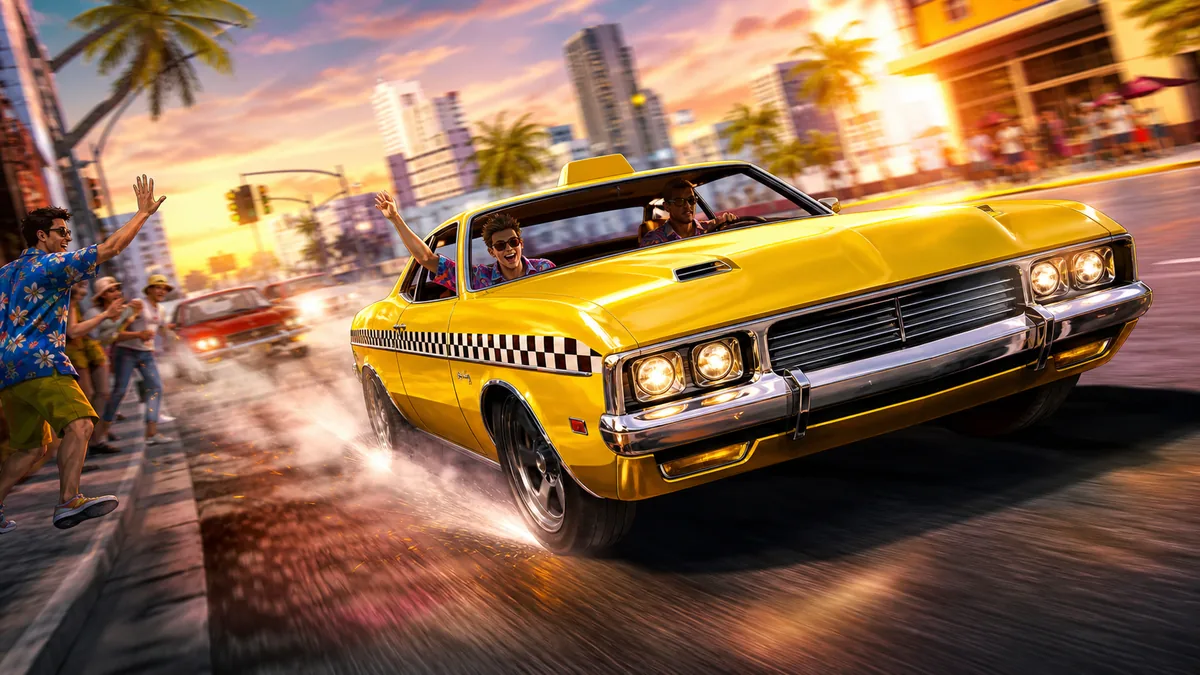
Crazy Taxi: World Tour is a smart kind of revival because it understands what the original was missing without pretending the original was broken. The classic games were built on speed, shortcuts, reckless driving, loud music, and a timer that made every fare feel urgent. Multiplayer always sounded natural for that formula, but the technology and design expectations of 1999 limited what Sega could do.
Bringing multiplayer into a 2027 Crazy Taxi game changes the pitch immediately. The series no longer has to be only about chasing personal scores. It can become a competitive, chaotic race for fares, routes, stunts, and city knowledge. If Sega handles it well, World Tour could feel like an arcade sports game disguised as a driving game.
The global campaign idea also helps. Crazy Taxi needs recognizable city personality, not just bigger maps. The best version would make each location a playground of traffic patterns, ramps, landmarks, and impossible shortcuts. Open-world scale alone would be the wrong target. Crazy Taxi is about readable chaos, not realistic commuting.
TechRadar reported that Crazy Taxi: World Tour is officially coming in 2027 for PS5, Xbox Series X and S, Nintendo Switch 2, and PC, with multiplayer modes, a story-driven global campaign, vehicle customization, and original creator Kenji Kanno involved.
Kanno's comment about fans wanting multiplayer since the original era matters because it frames the new feature as unfinished business rather than a modern trend grab. That distinction is important. If multiplayer feels bolted on, players will notice. If it feels like the idea the series always wanted, the comeback becomes much more convincing.
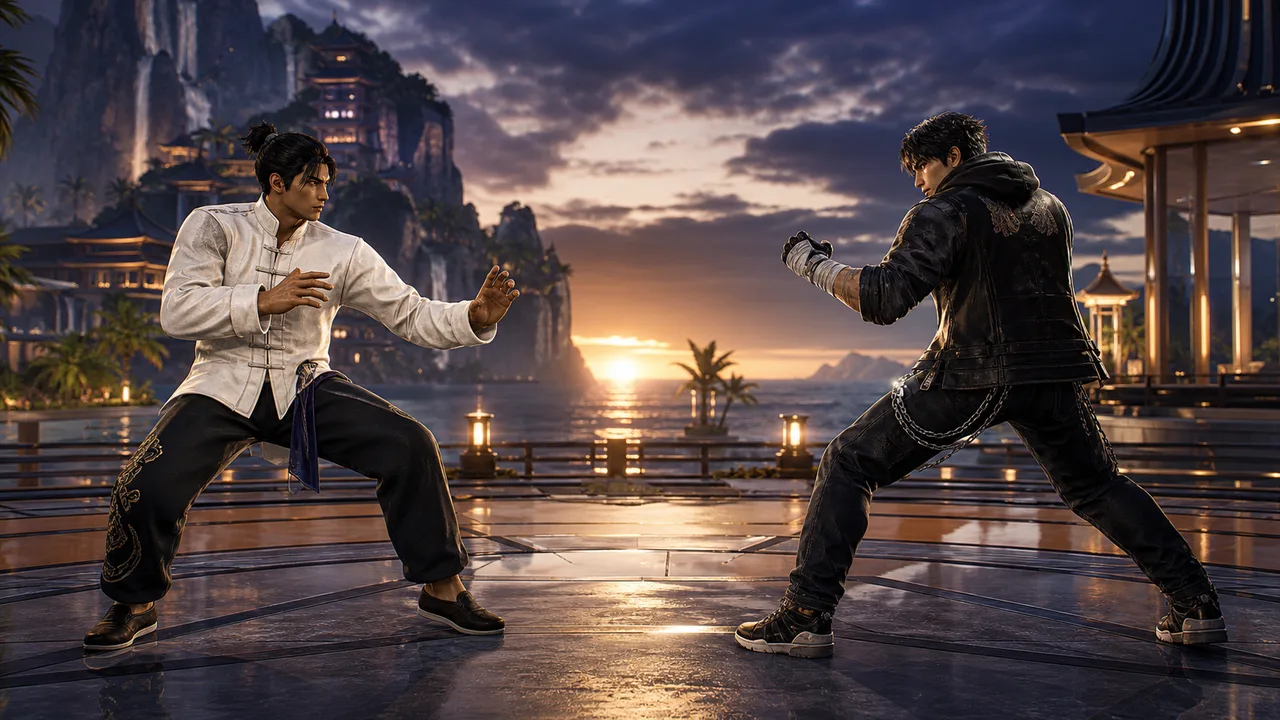
Sega is not alone in reviving older arcade identities, and we have seen similar pressure around Virtua Fighter Crossroads trying to make a classic 3D fighter relevant again. The lesson is the same: modernize access, online features, and presentation, but protect the core sensation that made the old game distinct.
Music will be central to whether the comeback feels authentic. Crazy Taxi is remembered as much for its pace and noise as for its driving model. Sega does not need to copy the exact old soundtrack, but it needs music that pushes players forward and makes the timer feel like part of the rhythm. A quiet or generic score would flatten the whole idea.
City design has to reward learning too. The original games became sticky because players memorized routes, risky jumps, and customer patterns. Multiplayer will only work if that knowledge creates skill expression instead of random collisions.
Vehicle customization should serve that same arcade loop. Cosmetic flair fits Crazy Taxi perfectly, but performance upgrades need care. If paid or grind-heavy parts make the fastest routes depend on ownership rather than skill, the competitive energy will suffer. Sega should keep the driving contest readable.
The biggest risk is live-service overreach. Crazy Taxi should have online competition, but it should not bury the arcade loop under progression clutter. Players need instant fun, clean controls, punchy music, and a reason to say one more run. If World Tour keeps that spirit while finally delivering multiplayer, Sega could turn a dormant name into one of 2027's most joyful releases.