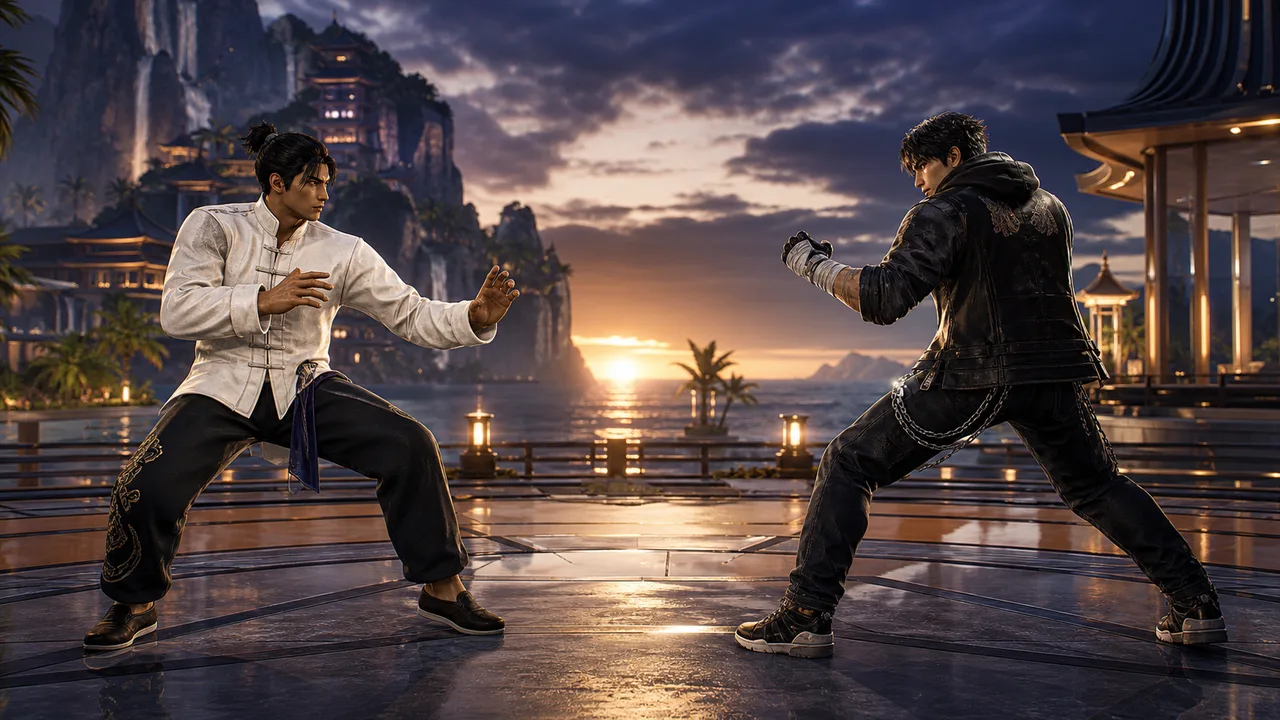
Virtua Fighter Crossroads is a bigger deal than one new fighting game reveal. It is Sega admitting that one of the genres foundational 3D series cannot stay dormant forever. Virtua Fighter taught players to read weight, distance, stance, ring position, and tiny timing windows long before modern esports language made those ideas fashionable. Bringing it back in 2027 means the developers must modernize the presentation without losing the severe clarity that made the series respected.
The involvement of Ryu Ga Gotoku Studio is fascinating because Virtua Fighter has never been known for cinematic excess. The studio behind Like a Dragon understands cities, drama, side stories, and character-driven spectacle. Crossroads appears to be using that strength in a more ambitious single-player mode set around a martial arts-focused island. That could help the series reach players who admire fighting games but bounce off bare arcade ladders and training rooms.
The danger is obvious: Virtua Fighter cannot become a brawler with a ranked mode attached. The series identity is still the duel. Punch, kick, guard, spacing, throws, punishment, and positioning must remain readable at high speed. New systems can help players enter the game, but they should deepen decision-making rather than hide it under cinematic flourishes.
MeriStation reported the Summer Game Fest reveal, the final Crossroads title, the 2027 target, and the emphasis on modern visuals while keeping the series focus on body weight and distance. It also described newer systems such as Standard and Uprising rules, Break and Rush, Stunner, Stun Combo, and Flow Guard.
Those mechanics sound like Sega is trying to create a bridge between classic precision and modern momentum. That is the correct problem to solve. Fighting games now compete not only on balance but on onboarding, netcode, training tools, replay learning, and single-player reasons to care. If Crossroads launches with great animation but weak tutorials, it will repeat an old Virtua Fighter problem: everyone respects it, fewer people stay.
The single-player story could be the differentiator if it teaches through drama. Instead of dumping frame data on a new player, the campaign can introduce spacing, punishment, ring-outs, pressure, defensive transitions, and character matchups through meaningful fights. That approach would sit neatly beside the broader return of focused genre games, including tactical and action titles like Star Wars Zero Company.
Virtua Fighter Crossroads does not need to outsell every fighting game to matter. It needs to remind players why a grounded 3D fighter can feel different from weapons, projectiles, and cinematic supers. If Sega and RGG Studio preserve the discipline while making the entry points less intimidating, Crossroads could give Virtua Fighter something it has lacked for years: relevance beyond admiration.
Online stability will be non-negotiable. A precise 3D fighter cannot hide bad delay behind spectacle because every sidestep, throw break, and whiff punish depends on trust. Rollback netcode, strong matchmaking filters, replay sharing, and punish-training tools would show Sega understands that modern fighting games are long-term communities, not only launch-window products.
Character expression should stay physical too: stances, throws, footwork, and recovery frames can tell personality without needing exaggerated effects.