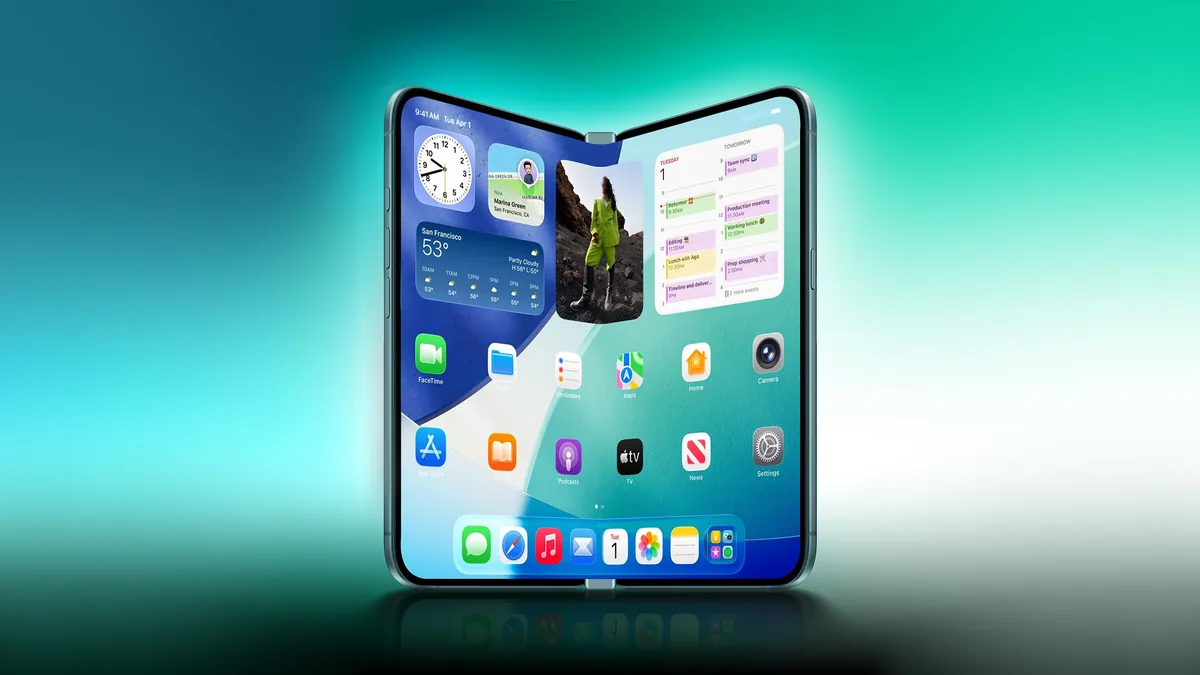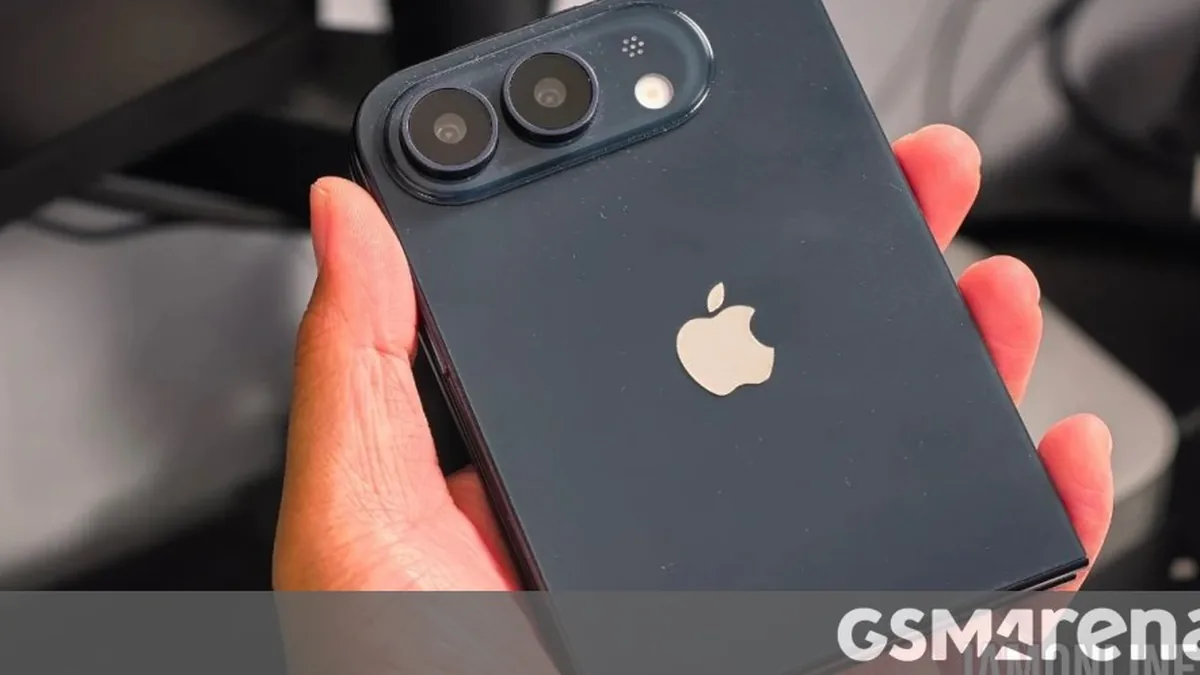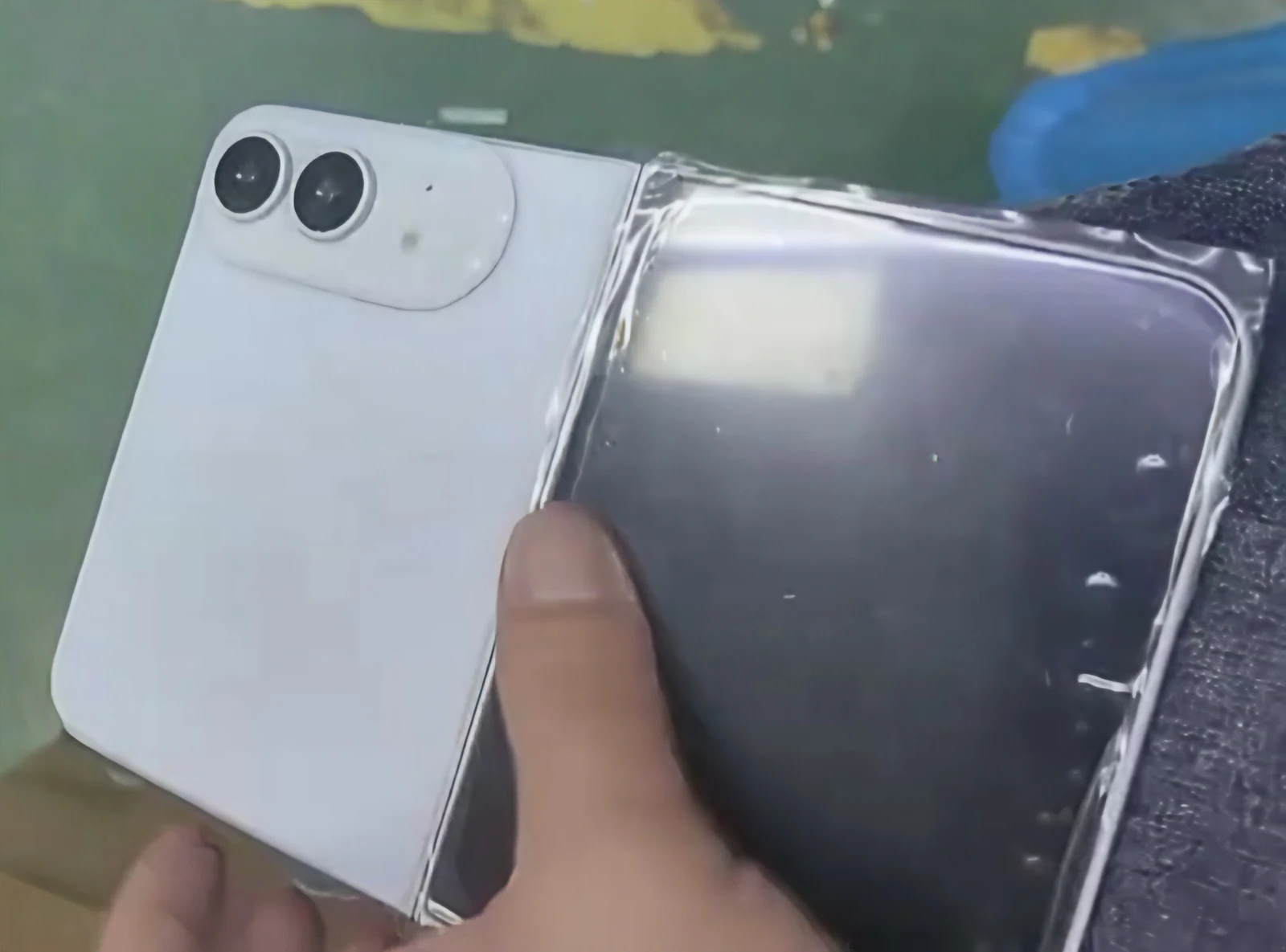
Apple's first foldable phone is still unofficial, but the latest dummy-unit photos make the project feel less theoretical. Tom's Guide reported on new images attributed to Sonny Dickson that show a book-style device with a wide inner canvas, a narrow outer display, a visible central crease, and a camera placement that looks closer to a working hardware plan than a fan render.
The important detail is not just that Apple may be building a foldable. The more useful clue is proportion. A wider opened shape would let Apple avoid one of the biggest complaints around early book-style foldables: they can become tall, awkward mini-tablets instead of comfortable reading, browsing, and productivity devices. If the photos are close to Apple's current target, the company appears to be aiming for a device that opens into something closer to a small iPad than a stretched iPhone screen.
What the dummy points toward
Dummy models usually come from case makers, accessory partners, or supply-chain measurements. They do not confirm final materials, software, hinge design, battery capacity, or naming. Still, they are useful because the external geometry needs to be realistic enough for accessory work. Camera cutouts, hinge radius, button positions, and screen proportions are hard to fake if multiple physical samples line up with the same story.
| Leak clue | Possible reading | Buyer impact |
|---|---|---|
| Wide inner display | Apple may prioritize tablet-like use after opening. | Better web, notes, maps, and multitasking comfort. |
| Visible central crease | The hinge problem is not magically gone yet. | Users should expect a foldable compromise. |
| Simple rear camera zone | Design may be tuned for thinness and weight first. | Camera ambitions could be balanced against portability. |
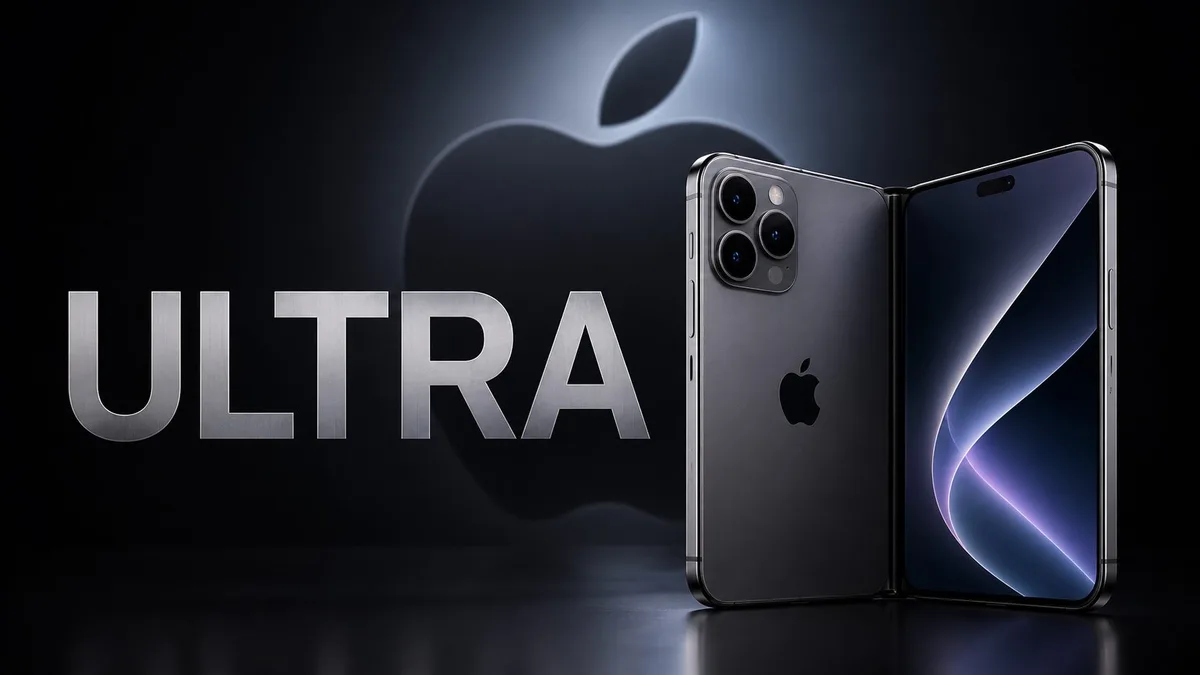
| Ultra-style rumor name | Apple could position the device above Pro models. | Pricing may sit well above normal flagship phones. |
Apple has a reason to move cautiously. Foldables are no longer experimental, but they are still risky for a company that sells hardware on reliability, serviceability, battery life, and long software support. A foldable iPhone would put Apple into a category where the screen is the hinge, the hinge is the frame, and durability is part of the daily user experience. That is a different challenge from making a thinner slab phone.
The rumored timing matters as well. A late-2026 or later launch would put Apple into a market where Samsung, Motorola, Honor, Xiaomi, Oppo, and others have already spent years learning what buyers tolerate. Apple does not need to be first. It needs to make the first iPhone foldable feel ordinary enough to trust and premium enough to justify the price.
If Apple uses the foldable as an iPhone-iPad bridge, iPhone software will be as important as the hardware. The device would need clean app scaling, strong split-screen behavior, smooth keyboard transitions, and camera workflows that feel natural whether the phone is closed, half-open, or flat. A wider inner screen only pays off if the operating system treats that space as a real work surface.
For now, the leak should be read as a physical design signal rather than a launch promise. The dummy photos suggest Apple is testing a shape that solves a real foldable problem, but they do not settle the harder questions around durability, battery life, and price. Those are the details that will decide whether the first foldable iPhone becomes a niche luxury device or the start of a new iPhone tier.