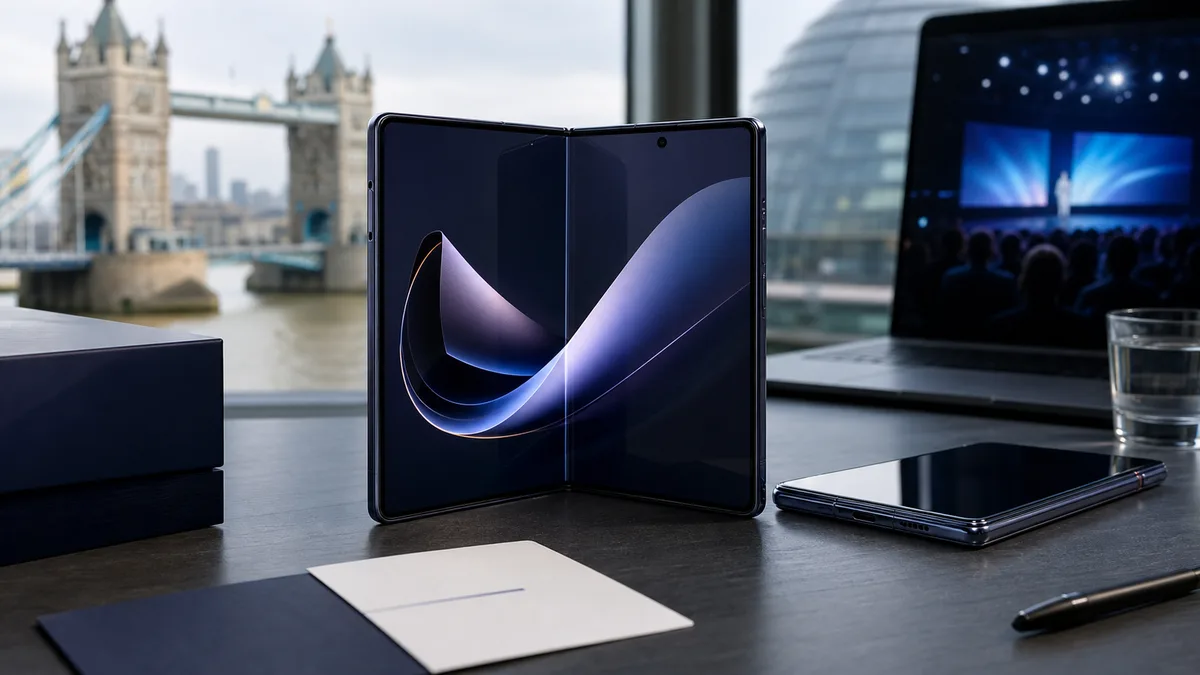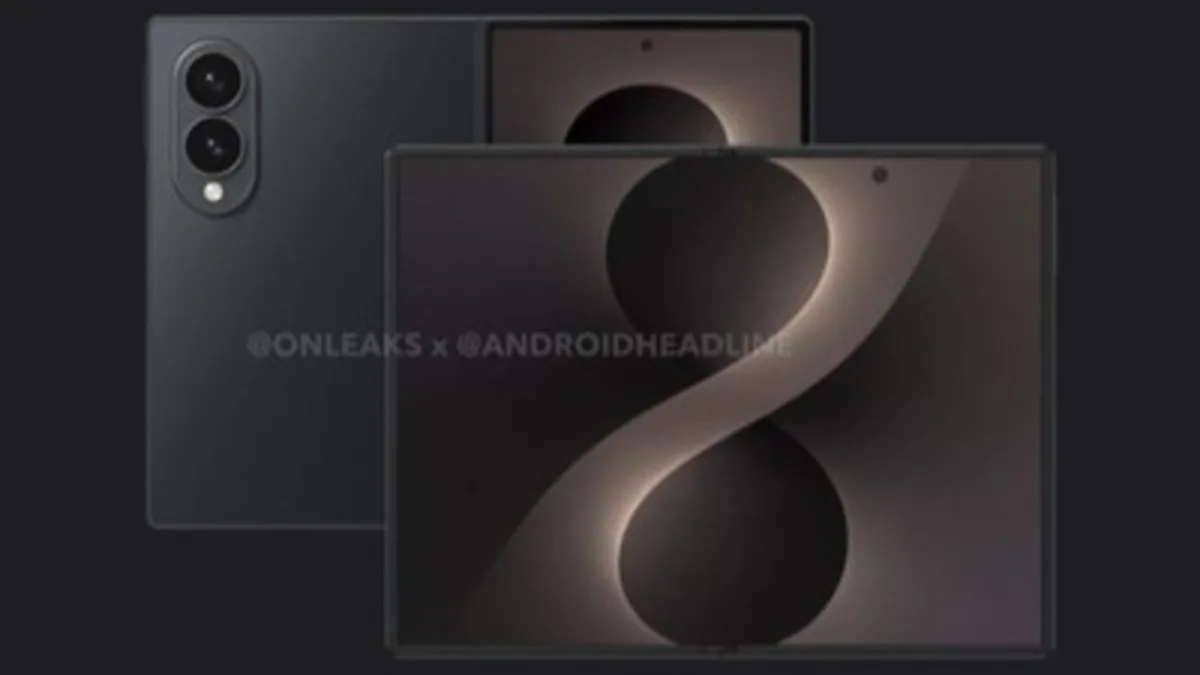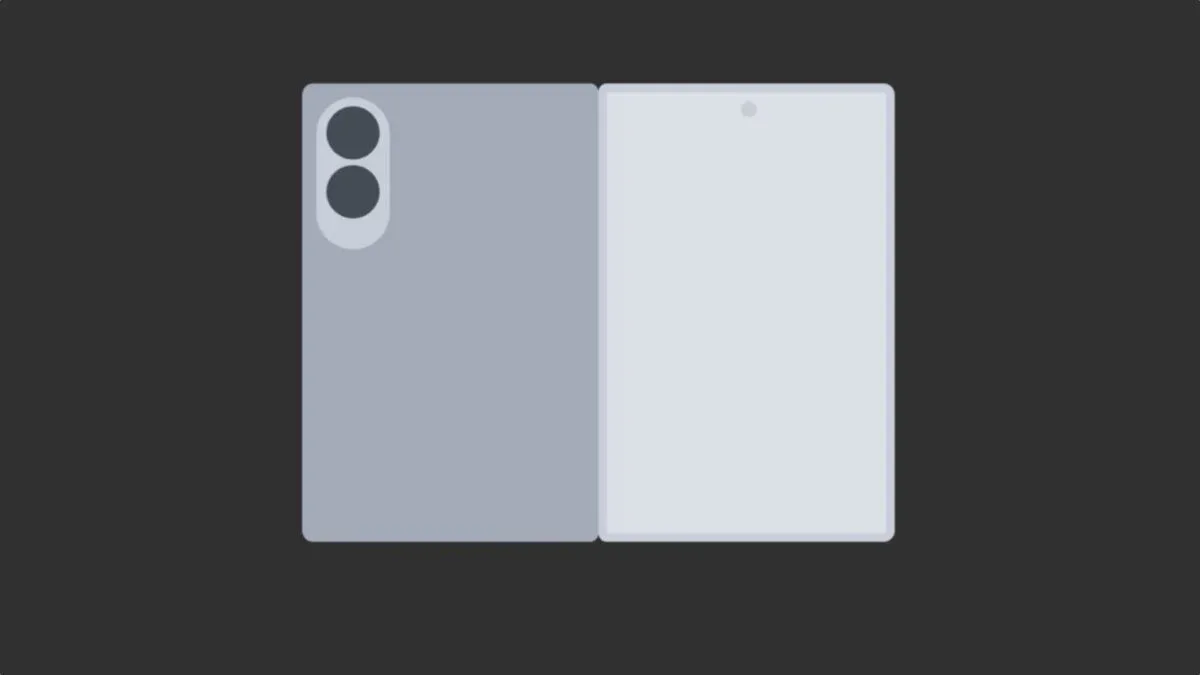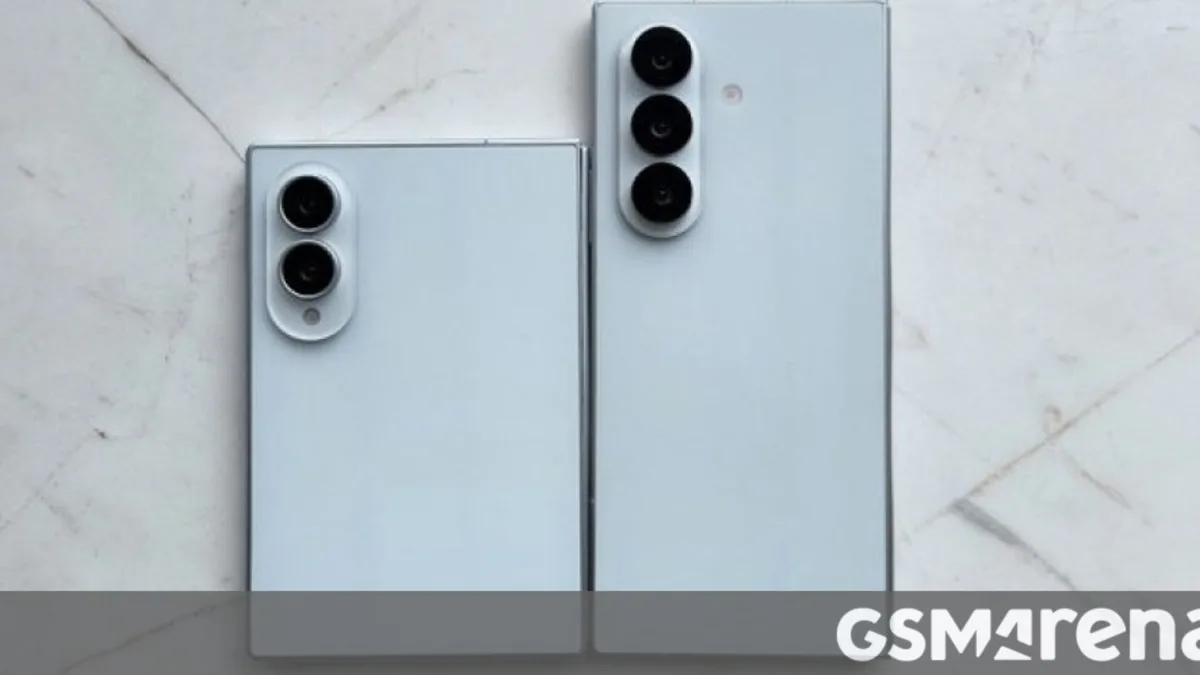
A crease-free Galaxy Fold 8 sounds like the kind of upgrade Samsung fans have been asking for, but the reported tradeoff makes the story more complicated. If Samsung has to sacrifice S Pen digitizer support to flatten the inner panel, the next Fold could become cleaner visually while losing part of its productivity identity.
That is why this leak deserves a separate read from the usual design chatter. Foldables are not only status phones. They are sold as pocket tablets, note-taking tools, travel screens, and multitasking machines. Removing or weakening pen support would change the argument Samsung has used for years.
The tension lines up with our earlier report on Samsung's S Pen problem. Users want a thinner and prettier Fold, but many also expect the most expensive model to handle stylus work better, not worse.
GSMArena reported the key claim as a possible crease-free design that could come at the cost of the S Pen digitizer. That single detail changes the leak from a simple hardware win into a product strategy question about what the Fold should become next.
The engineering reason is believable. Digitizer layers add thickness and complexity, while foldable panels already have to balance glass, polymer, adhesive, touch input, brightness, and bend radius. A cleaner fold may require Samsung to simplify the stack rather than keep every feature intact.
For buyers, the answer depends on how they use the device. People who mostly watch video, browse, read, and run two apps might happily accept a flatter display. People who annotate documents, sketch layouts, or use the Fold as a small notebook may see the same decision as a downgrade.
Samsung also has to think about product segmentation. A standard Fold 8 and a possible Fold 8 Ultra could split features, with one chasing thinness and the other keeping more productivity hardware. That would make pricing easier to justify but harder for shoppers to understand.
The leak should still be treated carefully. A report about digitizer changes does not prove the final stylus story, because Samsung could use a different pen approach, external accessory, or model-specific compromise before launch.
The next clue will likely come from case makers, display supply-chain notes, or firmware references that show whether Samsung is preparing one Fold layout or several. Those details matter because the wrong feature split could disappoint both casual and power users.
Samsung also has to decide how much productivity branding it can keep if the pen story changes. The Fold line has been pitched as a device for people who do more than scroll. If a flatter display reduces stylus capability, Samsung may need stronger multitasking features, better desktop-style workflows, or new keyboard accessories to keep that professional angle alive.
Pricing will make the tradeoff sharper. A buyer can accept compromise on a midrange foldable, but a top-end Fold is expected to feel complete. If the final phone removes something people associate with premium Samsung hardware, the company will need to show that the visual and durability gains are worth the feature loss.
The most interesting part is not the word crease-free. It is the cost attached to it. Foldables are now mature enough that every improvement has to be measured against what disappears on the other side of the hinge.