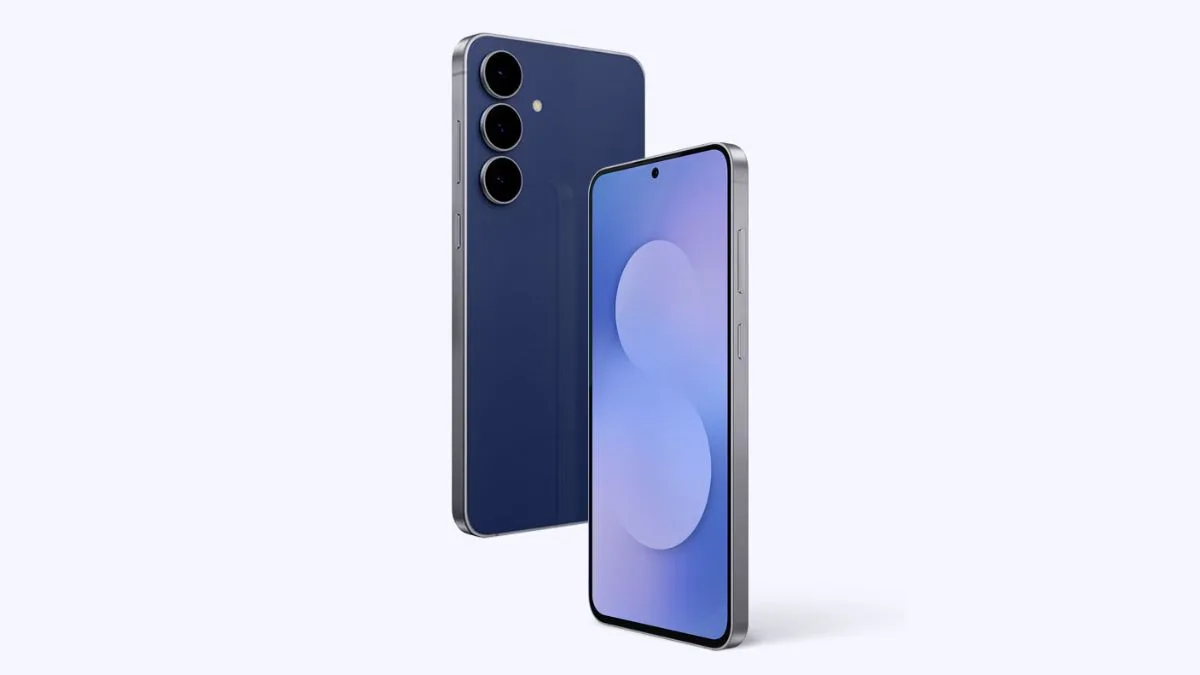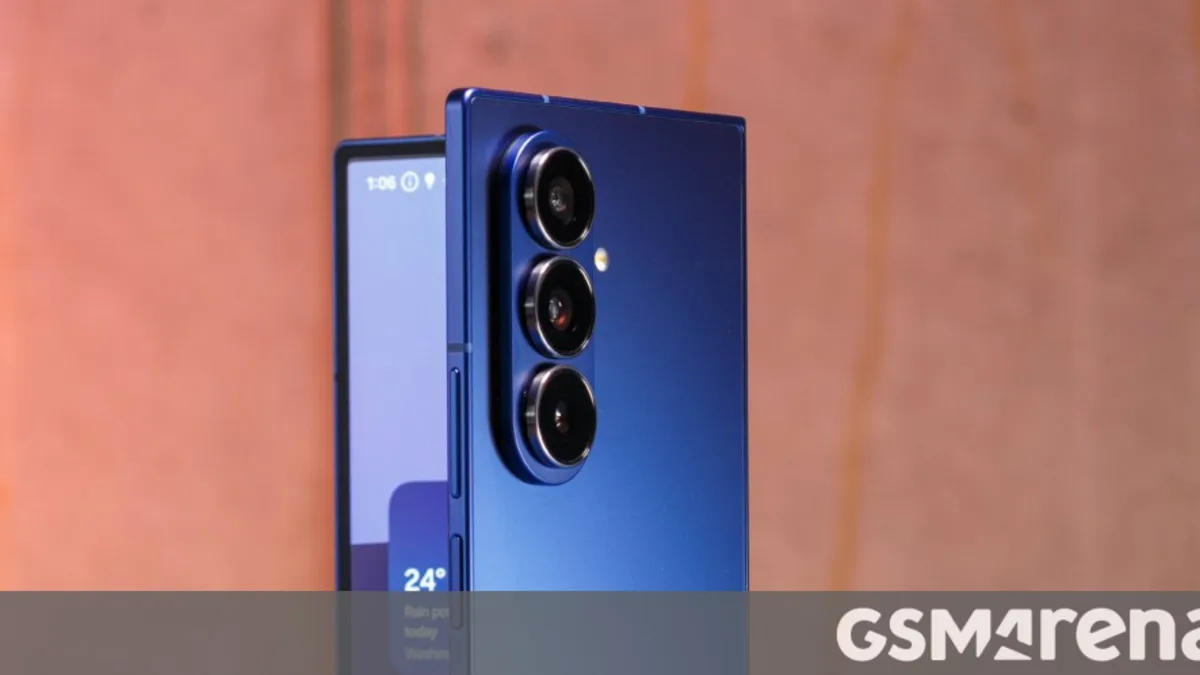
Samsung's Exynos comeback story is still being judged by heat. A new Chinese report claims Galaxy S26 testing with the 2nm Exynos 2600 continues to show higher temperatures and more throttling than Snapdragon-based hardware. If accurate, the leak keeps pressure on Samsung's chip division at exactly the moment it wants to prove its in-house silicon can compete again.
Performance leaks can be noisy, but thermal leaks are worth attention because heat shapes the whole phone experience. A chip can look strong in a short benchmark and still disappoint in gaming, camera use, navigation, video calls, or hot weather if it cannot sustain performance. Buyers may not know the chip name, but they notice when a phone warms up and slows down.
Samsung's challenge is bigger than one model. Exynos has to win back trust across regions where buyers remember past gaps between Snapdragon and Exynos variants. A strong 2nm process would help, but process node alone does not guarantee efficiency. Architecture, modem behavior, scheduler tuning, cooling hardware, and software all matter.
快科技 reported the testing claims, and the timing is sensitive because the Galaxy S26 family is expected to carry Samsung's next major flagship message. We have also seen Samsung's software pipeline moving forward in our One UI 9 testing coverage, but strong software cannot fully hide weak thermal behavior.
Why thermals shape perception
Phone performance is now sustained performance. Short bursts still matter for opening apps and taking photos, but the demanding tasks users remember are longer: recording video, playing games, running navigation, using mobile hotspot, or editing media. If a chip throttles early, the phone can feel less premium even if its peak numbers look impressive.
The Exynos 2600 also has to exist in a competitive Android market where Qualcomm and MediaTek are pushing hard. If Snapdragon models feel cooler or more consistent, Samsung will face the familiar regional-variant complaint. That is especially risky at flagship prices, where buyers expect the best version of a phone regardless of market.
There is still room for improvement before launch. Prototype testing can change as firmware matures, cooling designs are adjusted, and final clocks are chosen. Samsung may also tune different modes for battery life and performance. A leak is not a verdict, but it is a warning sign.
The lesson for Samsung is clear: Exynos does not need only a big comeback headline. It needs boring reliability. If the Galaxy S26 can stay cool, fast, and efficient in regular use, buyers may stop worrying about the chip label. If heat remains the story, every Exynos rumor will reopen the same old debate.
For buyers, the most important reviews will not be the first benchmark screenshots. They will be long gaming runs, camera stress tests, battery drain comparisons, and regional model checks. If Samsung ships both Exynos and Snapdragon variants, transparency will matter. People should not have to become supply-chain detectives to know which flagship they are buying.
Samsung still has time, but the standard for success is straightforward. The final phone has to make the chip discussion disappear during ordinary use, which is harder than winning one benchmark chart.