Flagship phone performance is easy to misunderstand. A chip can win a benchmark, a launch slide can show a huge percentage jump, and a phone can still feel ordinary after a few months if heat, memory pressure, and background tasks are not managed well. That is why the latest focus on the Galaxy S26 Ultra's performance upgrades is more useful than another raw benchmark race. The real story is not only that Samsung's top phone is fast. It is how that speed is supposed to stay available in ordinary use.
Modern premium phones are asked to do more at once than older flagships ever were. They record high-resolution video, edit photos locally, run AI tools, maintain always-on connectivity, and switch between heavy apps without giving the user time to think about what is happening underneath. The Galaxy S26 Ultra sits in that world, so speed needs to mean responsiveness under pressure rather than a short burst in a lab test.
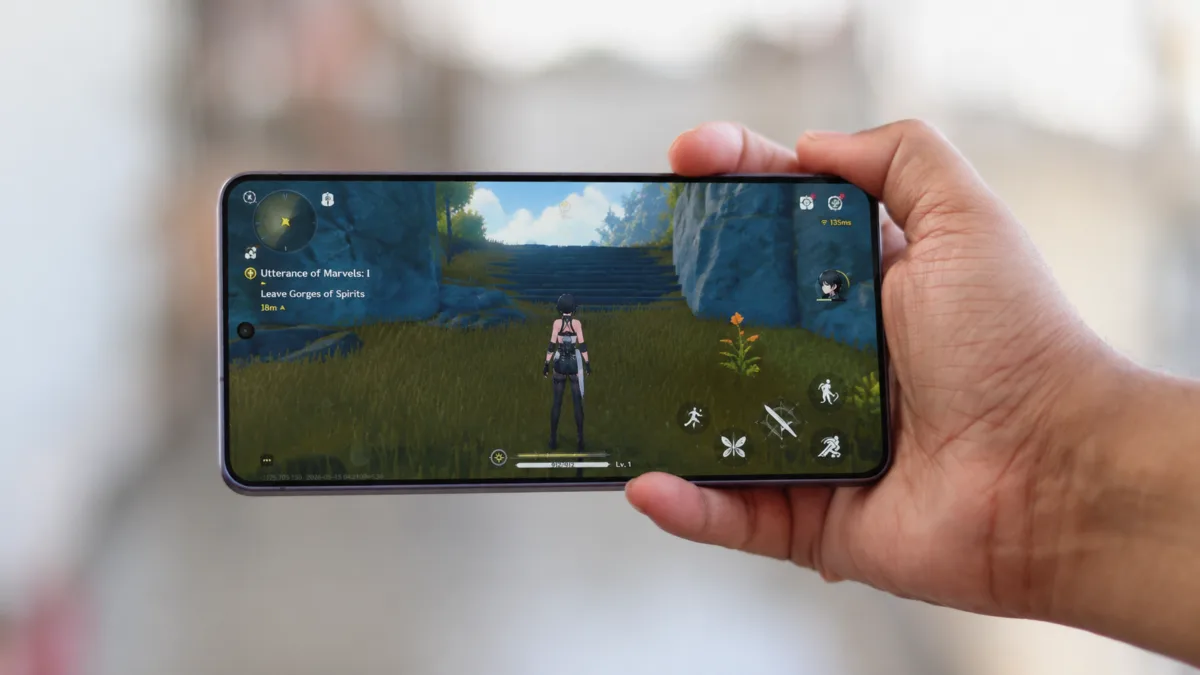
SamMobile highlighted several performance areas around the Galaxy S26 Ultra, including the kind of upgrades that translate into smoother gaming, faster multitasking, and stronger sustained output. That kind of reporting is useful because it breaks performance into pieces buyers can actually feel.
The comparison point is not only the previous Galaxy Ultra. It is also the broader premium-phone race covered in our Galaxy S26 Ultra guide. Buyers already expect a good display, a strong camera system, and long software support. Performance is now judged by whether all of those things can happen together without the device heating up, draining too quickly, or dumping apps from memory.
Samsung's challenge is that Ultra buyers are not forgiving. A phone at this tier needs to handle games, DeX-style productivity, camera processing, AI features, and background sync without making the owner manage it like a laptop. That requires more than silicon. It needs cooling design, storage speed, RAM behavior, scheduler tuning, and software restraint. The best phone performance is often the performance a user never notices because nothing pauses.
This is why the latest performance story feels practical. The Galaxy S26 Ultra is not trying to win attention with one strange feature; it is being judged as a complete high-end device. If Samsung's upgrades deliver smoother sustained behavior, the phone becomes easier to recommend to people who keep a device for years and expect it to feel expensive every day, not only during the first week.
There is also a communications lesson here for Samsung. Many consumers no longer care about isolated performance claims because every flagship is fast enough in the store. What they care about is whether the phone remains smooth while navigating, recording video, charging, gaming, and syncing photos on a hot day. Samsung can make a stronger case by explaining those scenarios instead of leaning only on chip names. Sustained performance is especially important for people who use the Ultra as a work device, because the S Pen, large display, camera system, and desktop-style features invite heavier use. If the S26 Ultra can hold speed without becoming uncomfortable, the upgrade becomes easier to justify. It turns performance from a bragging point into a reliability feature, which is far more persuasive for buyers keeping phones longer.