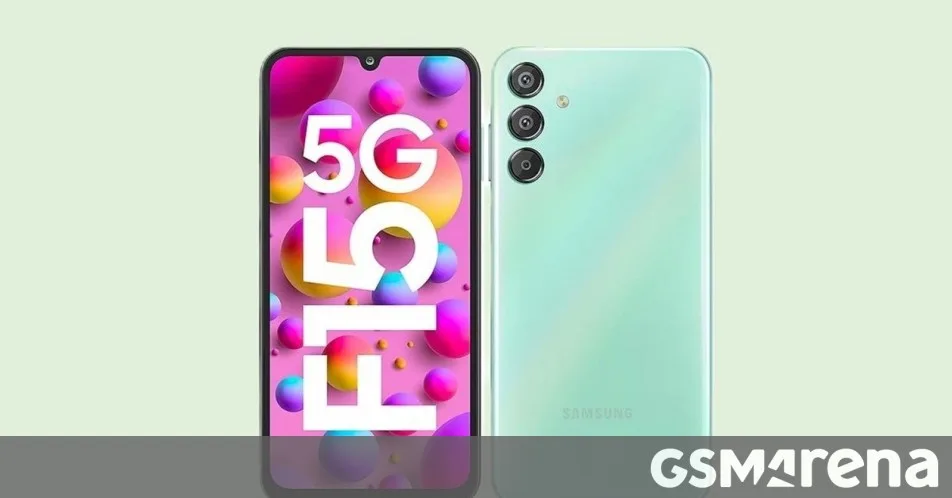
The Galaxy F15 receiving One UI 8.5 is not the loudest Samsung story of the day, but it is one of the more useful ones for normal buyers. Software updates used to be treated as a premium-phone benefit, while cheaper devices were expected to age quietly. That logic is breaking down. A budget Samsung phone getting a stable platform update now matters because affordable buyers are holding phones longer, and the phone that receives updates reliably is often the phone that feels newer for longer.
The update details are practical rather than flashy. Firmware version, download size, and security patch level are the kind of notes many users ignore until something breaks. But those details are also what separate a supported phone from a forgotten one. For a device like the Galaxy F15, a large update can improve system polish, app compatibility, and security posture without asking the owner to buy another handset.
GSMArena reported the rollout with the firmware build and approximate download size, making it clear this is a real deployment rather than a vague roadmap promise. That distinction matters because update promises only become valuable when they turn into actual packages on real devices.
Samsung's software cadence also connects to the wider Android story. We have seen Google tighten its release process in Android beta updates, while Samsung continues to turn One UI into a visible part of the Galaxy value proposition. The Galaxy F15 is not a flagship, but that is exactly why the update is meaningful. Long support is most useful on phones buyers cannot casually replace.
There is also a competitive angle. Chinese brands have pushed battery size and charging speed hard in lower price bands, so Samsung needs more than brand familiarity. Timely software support gives it a different argument: fewer rough edges over time, more security consistency, and a phone that stays compatible with banking, messaging, and wearable apps. That is not as exciting as a camera leak, but it affects daily use more often.
The lesson is simple. Budget phones are no longer disposable rectangles that peak on launch day. They are becoming long-term tools, and software support is part of the spec sheet even when it is not printed beside battery size or display refresh rate. The Galaxy F15 update is a small rollout, but it points to a bigger market where affordable phones are judged by how well they age.
The rollout also changes how shoppers should read budget-phone deals. A discounted handset is not automatically good value if updates stop quickly, and a slightly more expensive model can be cheaper over time if it stays secure and compatible for longer. Parents buying for children, workers buying a backup phone, and users moving from feature phones all benefit from predictable updates because they reduce maintenance stress. Samsung has made update policy part of its brand identity, and each real rollout strengthens that claim. The Galaxy F15 will not be remembered as a landmark device, but it shows the advantage of treating affordable models as part of the same ecosystem promise. In 2026, the budget phone that ages well may be more valuable than the one with the loudest launch promotion.