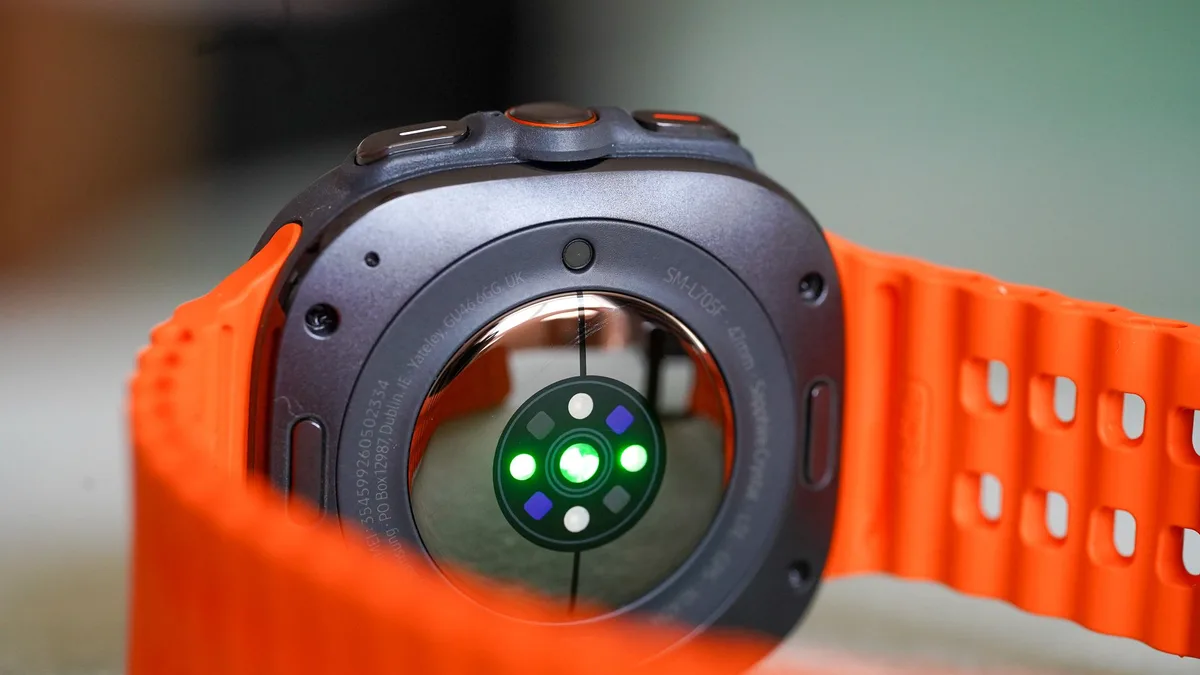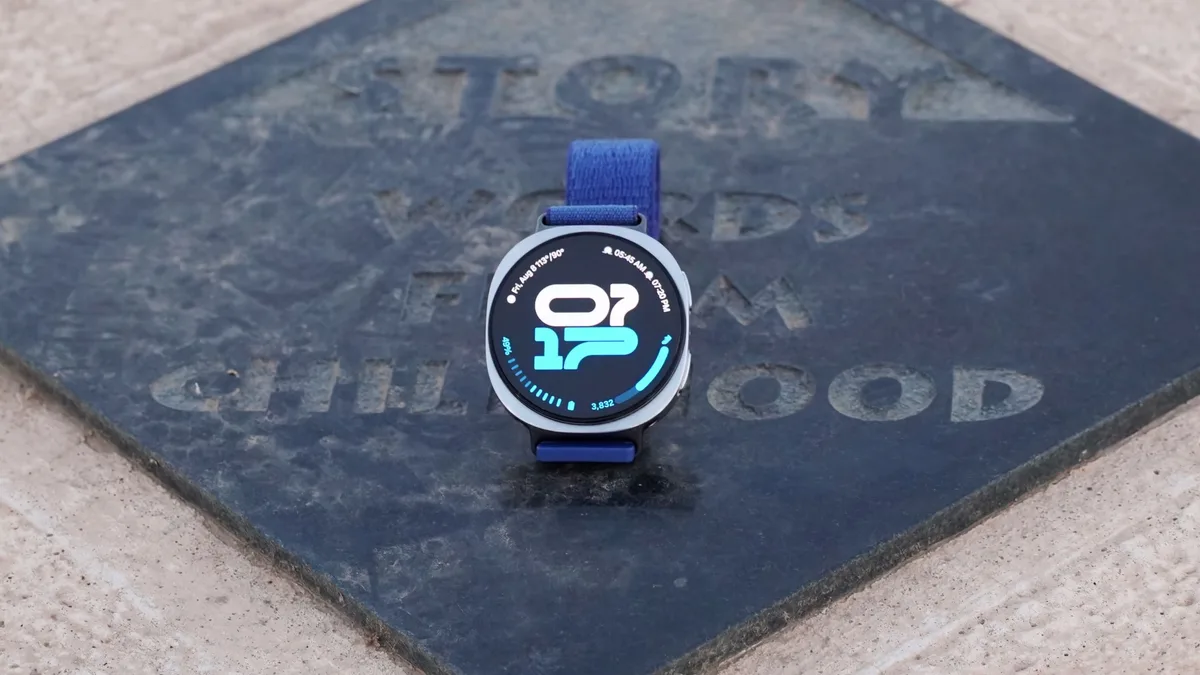
The Galaxy Watch 8 has picked up a mid-June Wear OS refresher, and while that may sound minor, smartwatch updates are rarely just background housekeeping. A watch is a device people wear all day, sleep with at night, and depend on for notifications, health logging, workouts, payments, and alarms. When something small breaks, it becomes personal quickly. That is why maintenance updates matter more on wearables than their changelogs suggest.
Samsung's watch line has matured into one of the main Android wearable options, but Wear OS still lives under pressure from battery expectations. Users want bright displays, continuous health tracking, smooth notifications, and multi-day battery life from a small device. Any update that adjusts stability, performance, connectivity, or background behavior can change the experience more than a new watch face ever would.
The mid-June timing is also useful. Summer wearable launches and software updates tend to overlap, and Samsung needs existing devices to feel stable while it prepares new hardware. If a current Galaxy Watch feels unreliable, users are less likely to trust the next one. Wearables depend on habit, and habit depends on the device disappearing into the routine instead of demanding attention.
Android Central described the Galaxy Watch 8 update as minimal but meaningful, pointing to a Wear OS refresher rather than a dramatic new feature drop. That framing is right for this category, where quiet reliability often matters more than visible novelty.
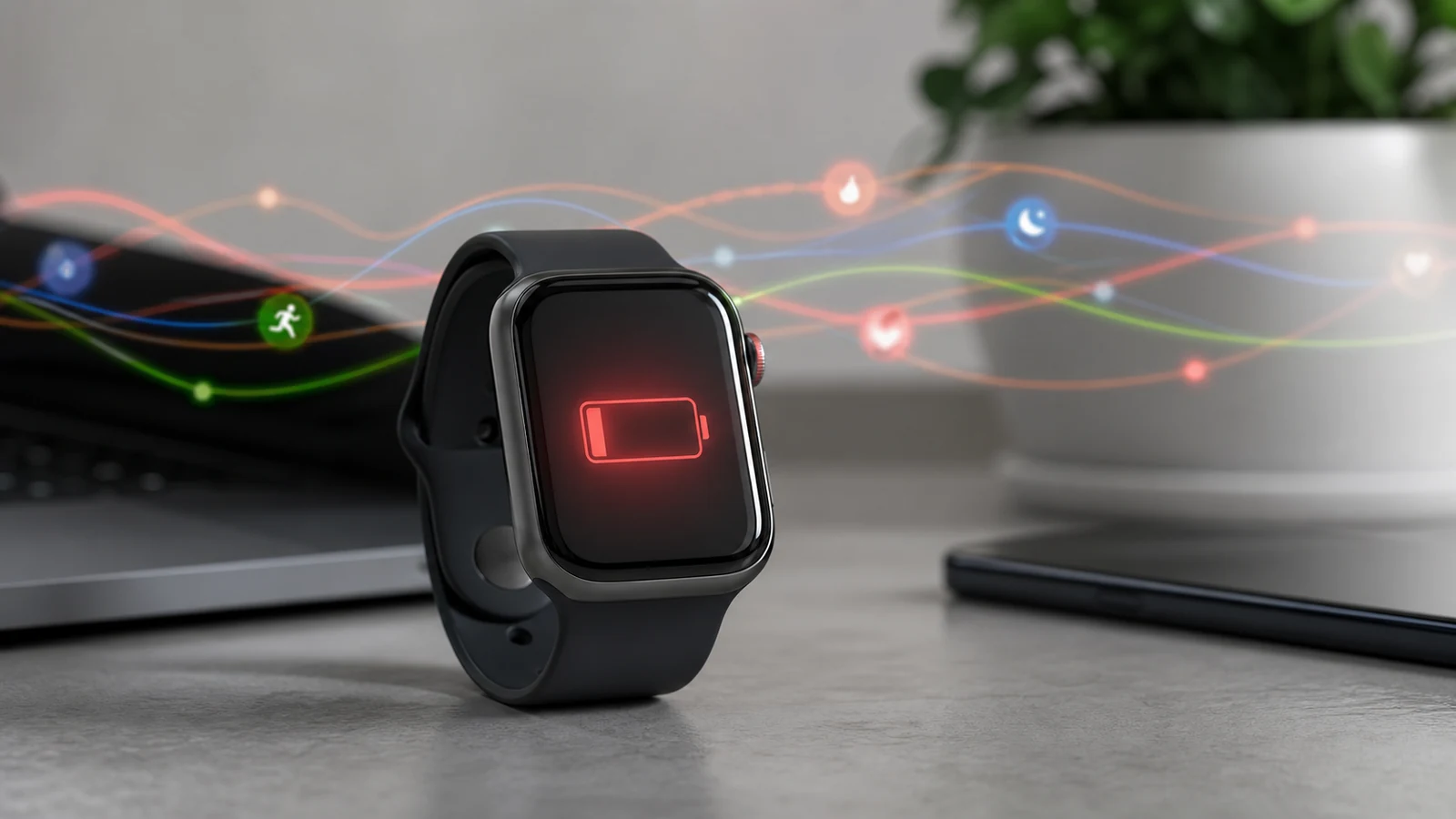
Smartwatches expose weak software quickly. A phone can usually recover from a battery-draining app because it has a much larger battery and more frequent charging habits. A watch has less room to absorb mistakes. Background sync, health sensors, Bluetooth behavior, and companion-app bugs can turn a normal day into a low-battery warning before dinner. That makes every maintenance release part of the product experience.
We saw a sharper version of that problem in our earlier coverage of Galaxy Watch battery drain linked to Play services. That issue showed how a wearable can be affected by software layers beyond the watch brand itself. Samsung, Google, and app developers all share responsibility for making Wear OS feel dependable.
The Galaxy Watch 8 update is not a headline-grabbing leak, but it is still a gadget story because it shows where the wearable fight is moving. Hardware sensors are already good enough for many users. The next improvements will come from battery consistency, smarter health interpretation, cleaner notification handling, and fewer moments where the watch feels like a tiny phone with tiny phone problems.
Update transparency is part of that trust. Watch owners do not need a long technical memo, but they benefit from knowing whether a release touches battery, health tracking, connectivity, or security. Clearer notes would make small updates feel less mysterious and more accountable.
That is the standard Samsung has to meet. People buy smartwatches hoping to think about them less, not more. A mid-June update is a small event on paper, but it is part of the trust cycle that keeps wearables on wrists. If Samsung can keep the Watch 8 stable while preparing its next generation, the quiet maintenance work may end up being more valuable than a flashy new software button.