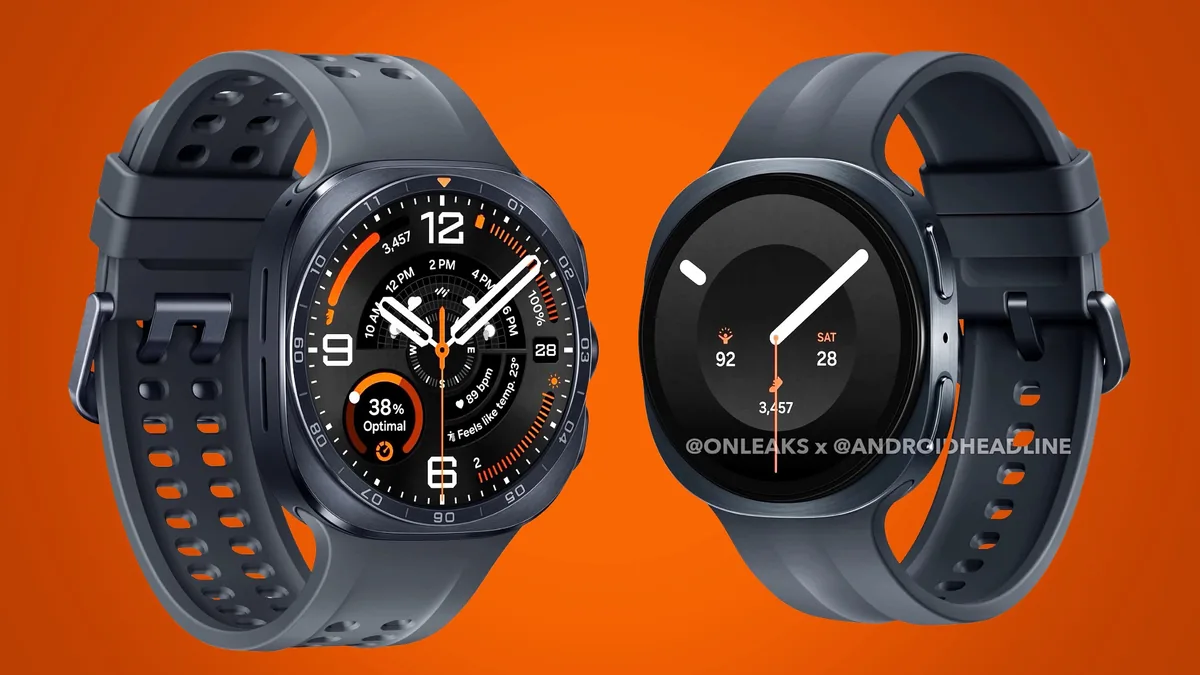
Samsung's wearable lineup may be heading into a more expensive cycle. A new price leak for the Galaxy Watch 9 and Galaxy Watch Ultra 2 suggests the company is preparing to ask more for devices that already sit in a crowded premium band.
That is not a small detail for smartwatches. Unlike phones, watches are often bought as companion devices, so even a modest increase can make users compare battery life, sensors, and software support more aggressively.
This also connects with our earlier look at Galaxy Watch Ultra 2 rumors, because the same product cycle is now being shaped by design evidence, supplier pressure, and the way buyers read early hardware clues.
The price details surfaced through Notebookcheck, which framed the leak around higher European pricing for both the standard and Ultra wearable lines.
The central question is whether Samsung can make the extra money feel visible on the wrist. Better materials, stronger health metrics, or longer endurance would explain the move better than another round of familiar watch faces.
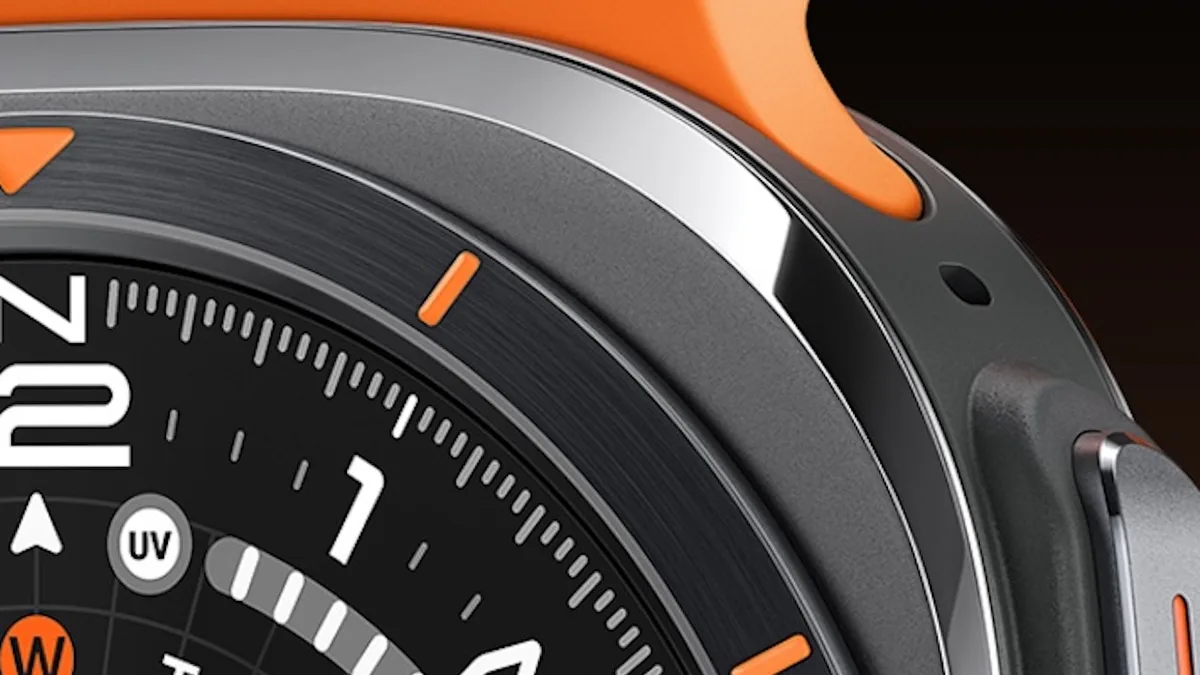
A Watch Ultra 2 price bump would put more pressure on sensor accuracy, GPS consistency, display brightness, and case durability. Those are the areas where premium smartwatch buyers notice actual differences.
For existing Galaxy Watch owners, the leak is a warning to wait for the full feature list. If the gains are mostly cosmetic, last year's watch may suddenly look like the sensible purchase.
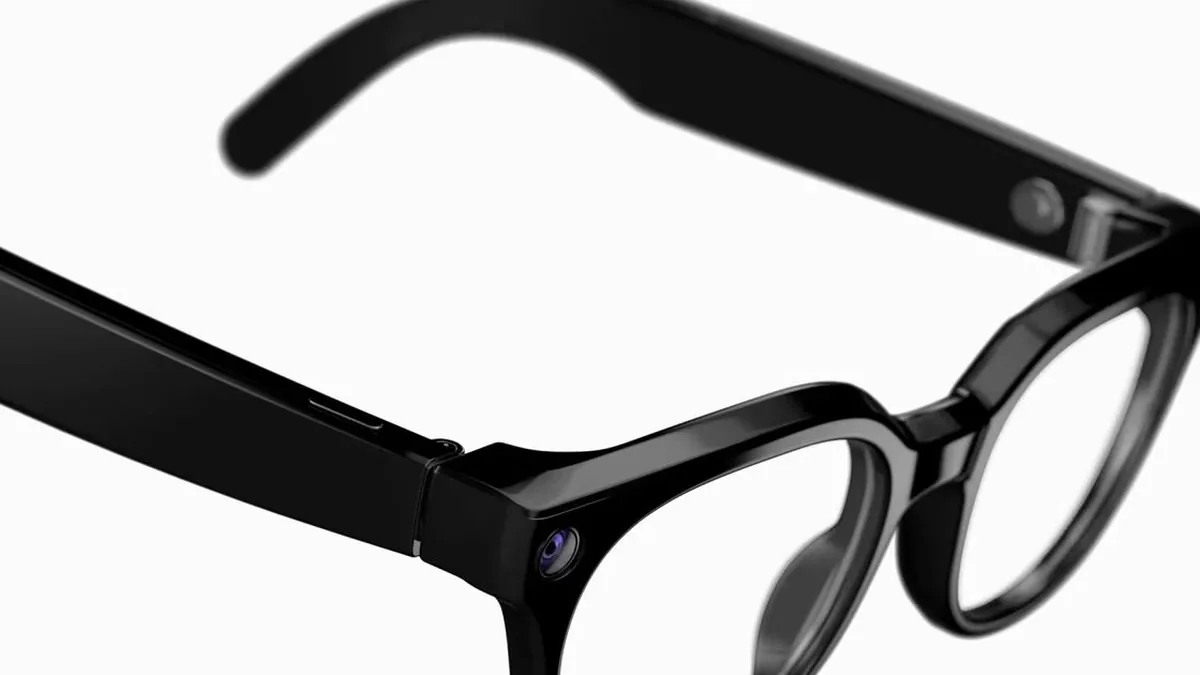
The leak also lands while Samsung is pushing a broader wearable story with rings, glasses, and AI features. A more expensive watch only works if the ecosystem becomes more useful, not simply larger.
The risk is that Samsung trains buyers to delay upgrades. Wearables already have longer replacement cycles than phones, and price hikes can make that cycle even slower.
Apple, Garmin, Huawei, and Amazfit each pressure Samsung from different directions. Samsung has brand strength, but it still has to prove why a Galaxy watch deserves a higher shelf.
Watch the storage tiers, LTE pricing, and Ultra case options. Those usually reveal whether the leak is about base pricing or a broader shift toward premium configurations.
If accurate, this leak turns Samsung's next watch launch into a value test, not just a health-feature presentation.
A grounded reading of Galaxy Watch 9 Price Leak Suggests Samsung's Wearables May Get Costlier sits between hype and dismissal. The details are specific enough to track, but they still need confirmation from launch material, filings, retail pages, or multiple unrelated leaks before buyers should treat them as final.
The business angle is also different from the fan conversation. Notebookcheck is describing one public clue, while the companies involved have to think about component costs, regional demand, software readiness, and how quickly rivals can copy the same idea.
Execution will decide whether this becomes a real advantage. A Watch Ultra 2 price bump would put more pressure on sensor accuracy, GPS consistency, display brightness, and case durability. Those are the areas where premium smartwatch buyers notice actual differences. That is why the final product or platform will be judged by how naturally the feature works, not only by how strong it sounds in an early report.
The practical takeaway from Notebookcheck is to watch for repetition from independent sources. If the same direction keeps appearing in certifications, supplier notes, app code, retail listings, or hands-on leaks, Galaxy Watch 9 Price Leak Suggests Samsung's Wearables May Get Costlier will move from rumor watch to launch expectation.
For Patriotic Tech readers looking at Notebookcheck, the value is not simply being early. The value is knowing whether Galaxy Watch 9 Price Leak Suggests Samsung's Wearables May Get Costlier can change upgrade timing, platform trust, developer planning, or the competitive story around Galaxy Watch 9.