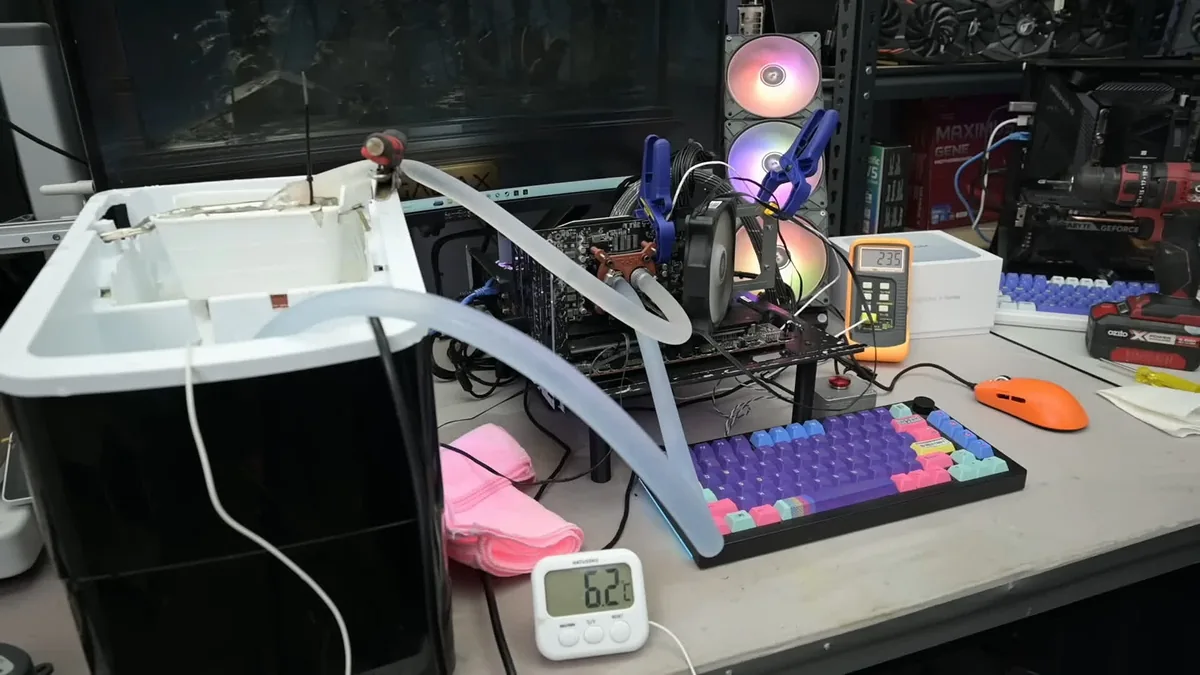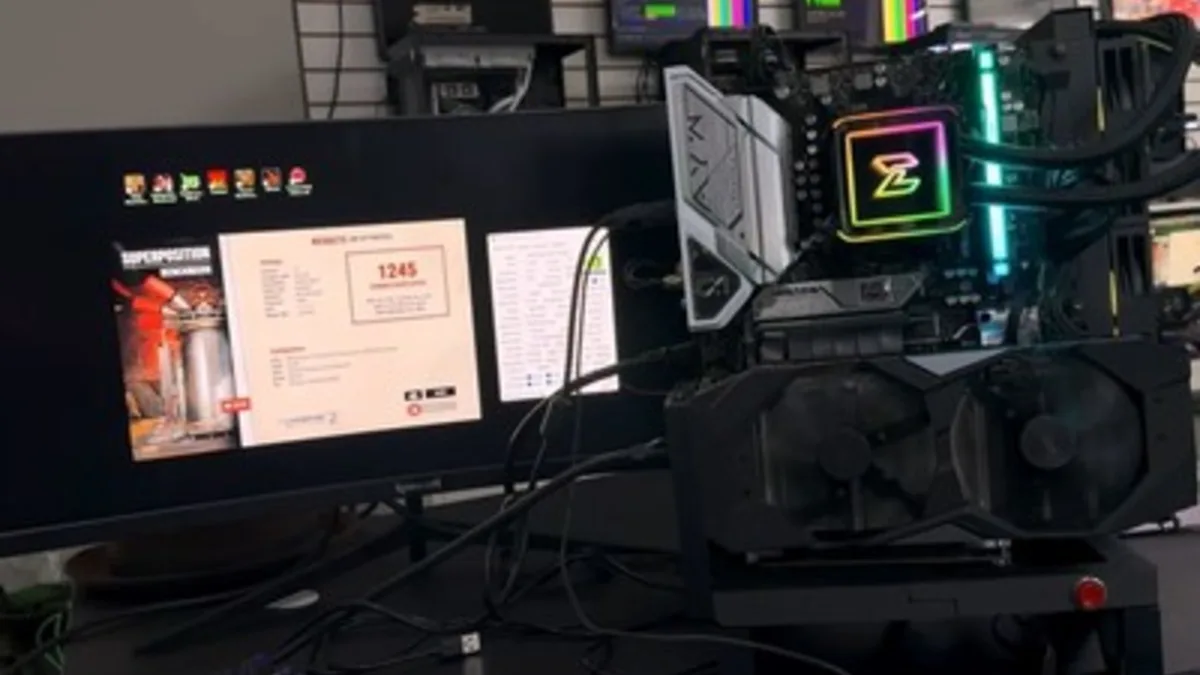
A modified GTX 1650 with 8GB of memory sounds like a hobbyist curiosity, but it points to a bigger truth about PC hardware. Sometimes an old graphics card is limited less by its core and more by the choices made around it. Doubling memory on the right board will not turn a budget GPU into a modern flagship, but it can expose how much performance was trapped by a narrow configuration.
The reported mod focuses on a TU106-based GTX 1650, replacing the original 4GB GDDR6 arrangement with higher-capacity memory chips. That distinction matters. Not every GTX 1650 is built the same way, and not every card can be upgraded safely. Hardware mods like this require board knowledge, soldering skill, firmware handling, and a willingness to accept risk.
Still, the result is fascinating because many older GPUs are running into memory limits before they run out of all compute usefulness. Games, creator apps, AI experiments, and browser-heavy workflows can consume more video memory than older entry cards were designed to provide. More memory can smooth certain workloads even if the GPU core remains modest.
CNMO reported the 8GB GTX 1650 modification and the benchmark improvement claimed by the modder. It fits the same practical hardware theme as our coverage of the 8TB SD card compatibility problem, where capacity gains create new questions instead of simple upgrades.
Memory is the quiet bottleneck
Graphics card marketing often focuses on core count, architecture, and raw frame rates. Memory is less glamorous, but it can decide whether a device remains useful. Once a workload spills beyond available VRAM, performance can collapse. That is why an older card with enough memory can sometimes feel better than expected in specific tasks.
This does not mean people should start modifying old GPUs casually. The labor cost, risk of damaging the card, and need for compatible firmware make it impractical for most users. For normal buyers, the lesson is simpler: do not ignore memory capacity when choosing a graphics card, especially if you want the device to last.
The mod also arrives at a time when GPU prices and memory costs are sensitive. If new cards become more expensive because AI demand is eating supply, older hardware gets a second look. Enthusiasts will repair, repaste, undervolt, upgrade, and modify cards that might otherwise have been retired.
There is an environmental angle too. Extending the useful life of electronics reduces waste, but only when the process is safe and sensible. A successful mod is impressive; a failed one can create scrap. The best long-term solution is still for manufacturers to ship balanced configurations in the first place.
The GTX 1650 8GB story is not a buying recommendation. It is a reminder that hardware capability is often hidden in details. A small card from a past generation can still teach the industry something about memory, longevity, and the cost of designing devices too tightly for their launch-year needs.
The story also gives repair communities a useful spotlight. Board-level work is rarely visible to normal buyers, yet it keeps devices alive and reveals what manufacturers could have done differently. Even if most people never attempt this mod, the experiment helps explain why balanced memory configurations should not be reserved only for expensive cards.