Autonomous vehicle debates often focus on software, but the Tesla Cybercab camera washer detail is a reminder that robotaxis also have ordinary physical problems. Cameras get dirty. Rain, dust, road spray, bugs, snow, and fingerprints can degrade visibility. A vehicle that depends on cameras has to keep them clear without asking a human to wipe the lens every few hours.
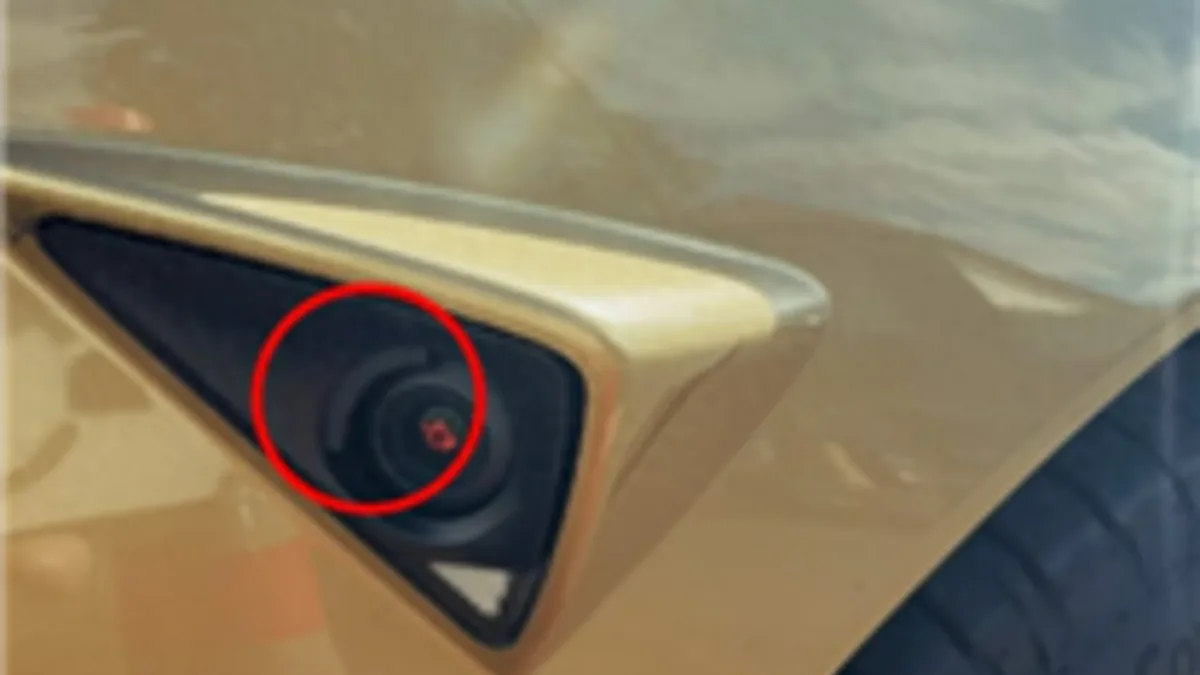
The reported Cybercab prototype detail shows a side camera housing with a built-in spray cleaning system. That may sound small, but it touches one of the hardest parts of autonomy: reliability outside a controlled demo. A robotaxi must work through bad weather, long service hours, and messy streets. Sensor maintenance becomes part of safety, not just convenience.
Tesla has long argued for a vision-heavy approach to autonomy. That makes camera cleanliness even more important. If the vehicle is not relying on a broader sensor stack in the same way some rivals do, every camera has to deliver usable data more consistently. Cleaning hardware does not solve autonomy by itself, but it supports the conditions the software needs.
快科技 highlighted the Cybercab camera spray detail from a prototype sighting. It connects to the broader physical-AI theme we covered in Prometheus physical AI machines, where intelligence becomes useful only when it survives the real world around it.
Robotaxis need boring hardware to work
The most important robotaxi features may not be glamorous. Camera washers, redundant power systems, easy-to-clean interiors, durable door mechanisms, remote diagnostics, tire monitoring, and fast service access could matter as much as an impressive neural network. A fleet vehicle earns money only when it stays available.
Human drivers solve small maintenance problems constantly. They wipe mirrors, clear windows, adjust wipers, notice rattles, and pull over when something feels wrong. A driverless vehicle needs systems that detect and solve enough of those problems automatically or route the vehicle out of service before safety is affected.
Camera cleaning also has to be precise. Too much fluid creates streaks. Too little leaves grime. The system has to work at different speeds and temperatures, and it has to avoid wasting washer fluid in fleet operation. A simple-looking nozzle becomes a small engineering challenge when the car has no driver.
The detail also shows why autonomy cannot be judged only by city test videos. Real deployment requires maintenance economics. If a fleet needs frequent human cleaning, the savings case weakens. If the hardware can keep sensors clear during normal operation, the service model becomes more believable.
The Cybercab washer leak does not prove Tesla is ready for mass robotaxi service. It does show the company is addressing one of the less glamorous questions. That is worth watching because the future of autonomous vehicles may depend on these practical pieces as much as on the next software milestone.
It also changes how people should evaluate prototype sightings. A strange-looking nozzle or sensor cover may seem minor, but those are the details that separate a concept from a service vehicle. Robotaxis need thousands of small answers before they need one perfect launch video, and camera cleaning is one of those answers.