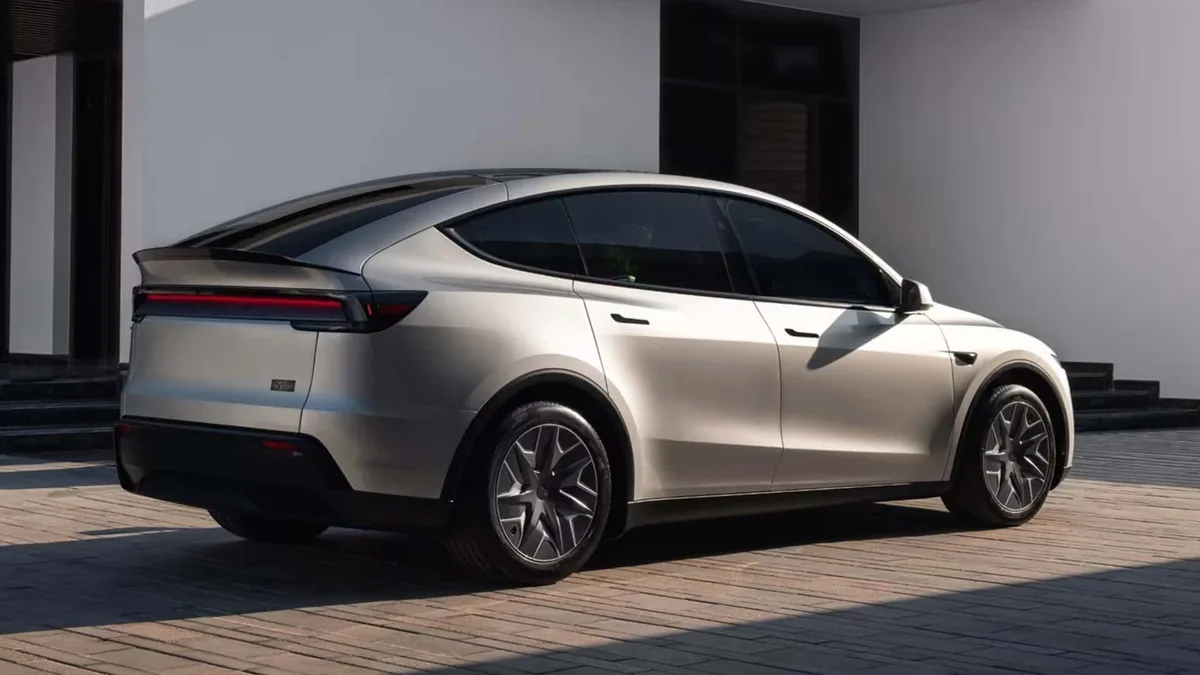
Robotaxi talk can become abstract quickly. Companies speak about autonomy, fleet economics, and software stacks, but families still ask ordinary questions: is it safe, is there enough space, how much will it cost, and what happens when something goes wrong? A Chinese report on Tesla Cybercab parameters is useful because it brings the discussion back to hardware and daily use.
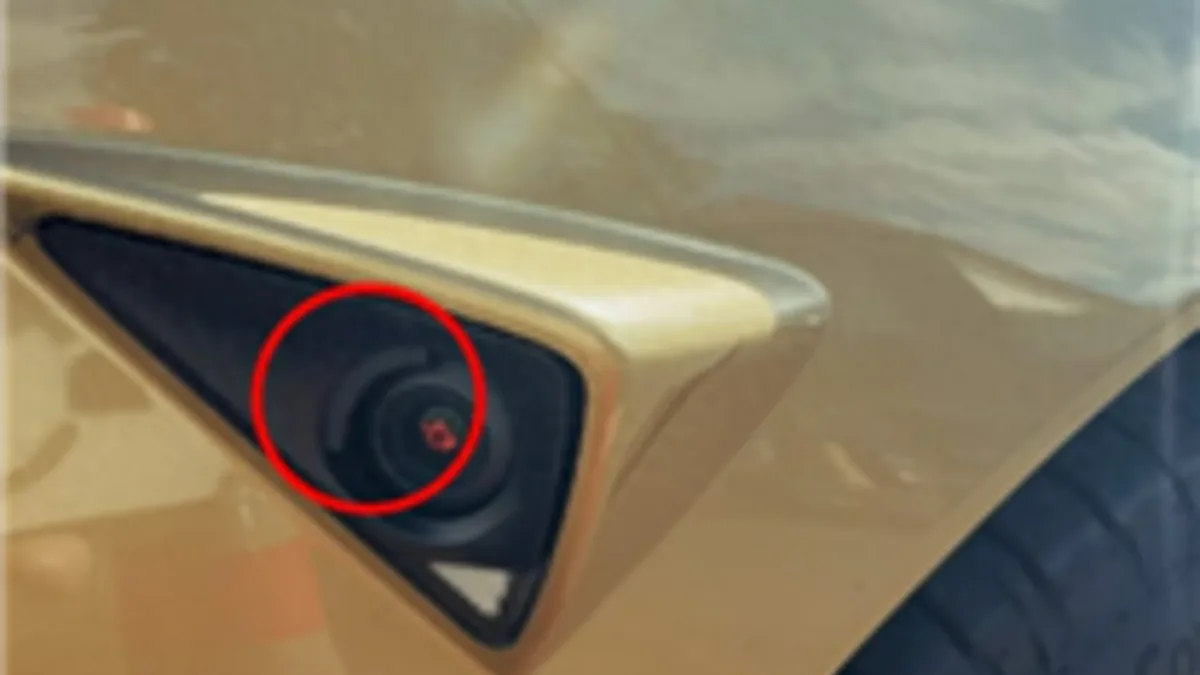
Tesla's Cybercab is not just another EV concept. It represents the company's belief that autonomy can reshape vehicle ownership and ride-hailing economics. We have already covered how a Cybercab camera washer leak pointed to practical sensor-cleaning details, and this newer report continues that practical angle.
网通社 examines exposed Tesla Cybercab parameters from the perspective of household users, focusing on safety, interior space, and future travel costs. That framing is helpful because robotaxis will not succeed only by impressing technology fans.
Safety will be the biggest public test. A robotaxi has to make passengers trust software in situations where there may be no traditional driver. That requires more than sensors and neural networks. It requires clear emergency behavior, remote assistance, maintenance discipline, and honest limitations.
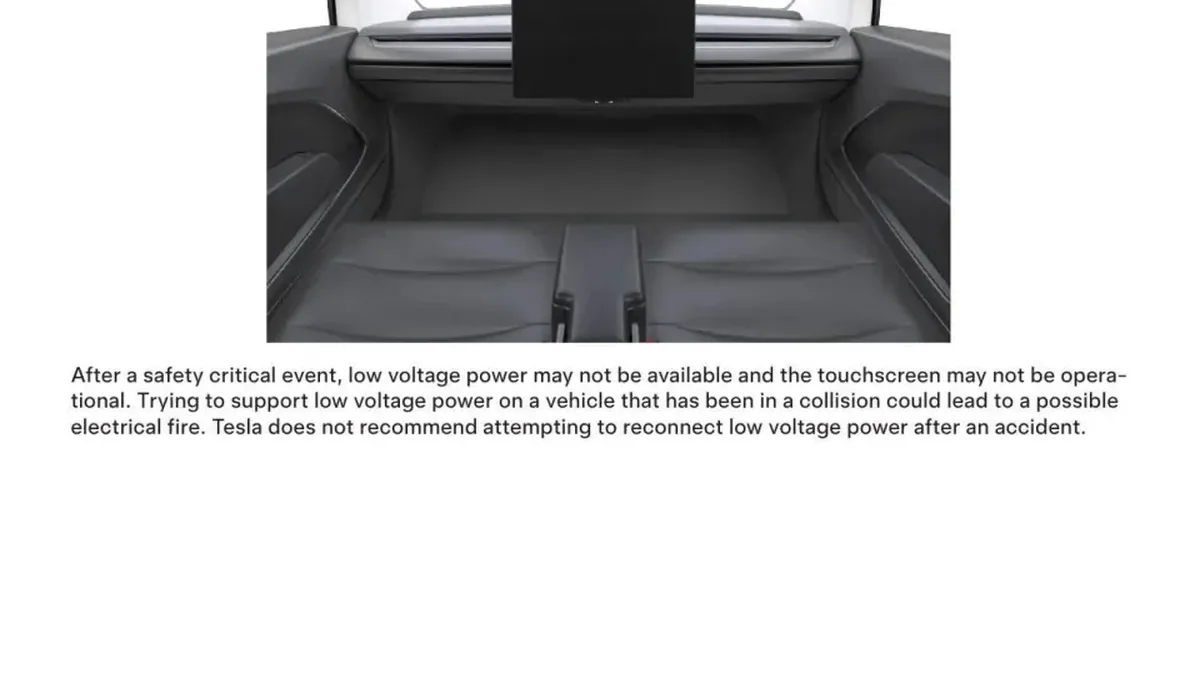
Interior space also matters. A vehicle built for driverless operation can rethink seating, storage, screens, doors, and controls. But if the cabin feels cramped or awkward, the futuristic pitch weakens immediately. People will judge it like transportation, not like a keynote prop.
Cost is the third piece. Tesla's robotaxi argument depends on high utilization and lower operating expense. If insurance, maintenance, cleaning, charging, and fleet supervision cost more than expected, the service may not be as cheap as the concept suggests.
The leaked parameter discussion does not answer every autonomy question, but it makes the Cybercab feel less theoretical. The next robotaxi battle will be won by companies that turn impressive technology into boringly dependable rides.
The family-use framing is useful because robotaxis will not be adopted only by early tech fans. Parents will ask about child seats, door behavior, route changes, luggage, weather, pickup locations, and what happens if the car stops in an awkward place. Those questions sound ordinary, but they are exactly where autonomous services either become trusted or remain experimental.
Hardware leaks also help separate vision from deployment. Tesla can talk about autonomy as software, but the Cybercab still needs a durable cabin, reliable sensors, easy cleaning, fast charging, and fleet maintenance access. A robotaxi is both a computer and a public vehicle. If either side is weak, the service promise becomes much harder to deliver.
Regulators will ask the same practical questions, only more formally. They will want evidence around crash behavior, remote intervention, cybersecurity, passenger evacuation, and fleet oversight. A leaked parameter sheet cannot answer those questions, but it can show where Tesla is trying to make the Cybercab concrete. The closer the vehicle gets to service, the less patience the public will have for vague autonomy promises.
For Tesla, the Cybercab story now has to move from possibility to procedure. Passengers will trust the service when the boring details work every time.