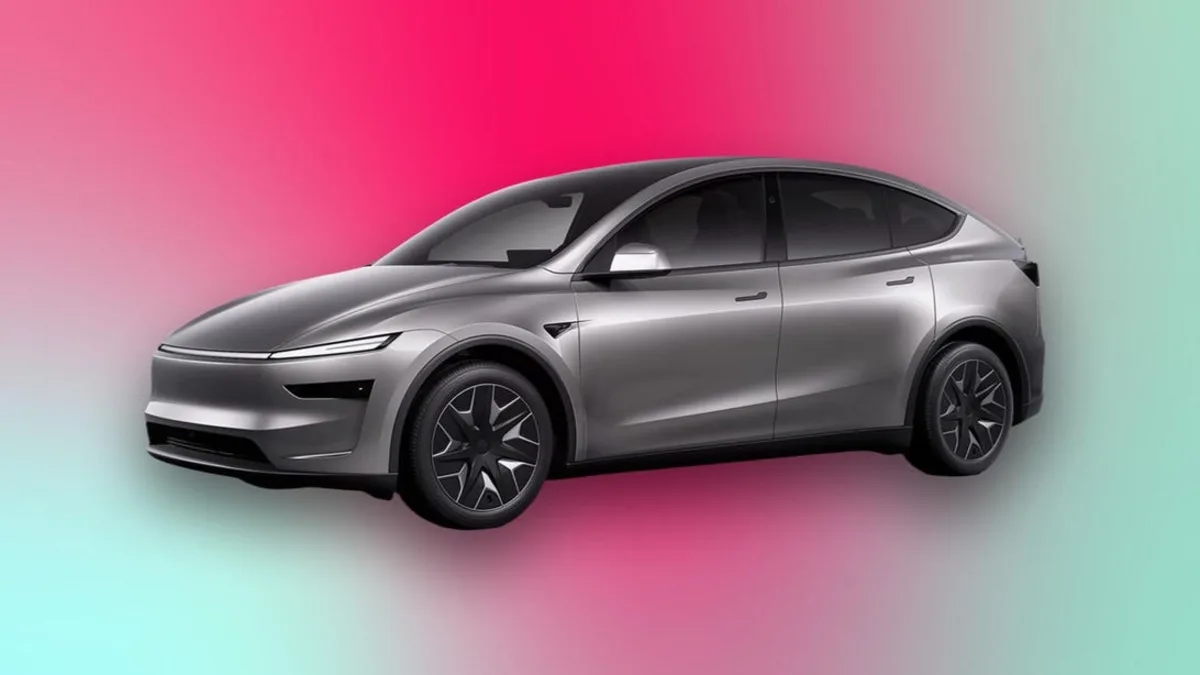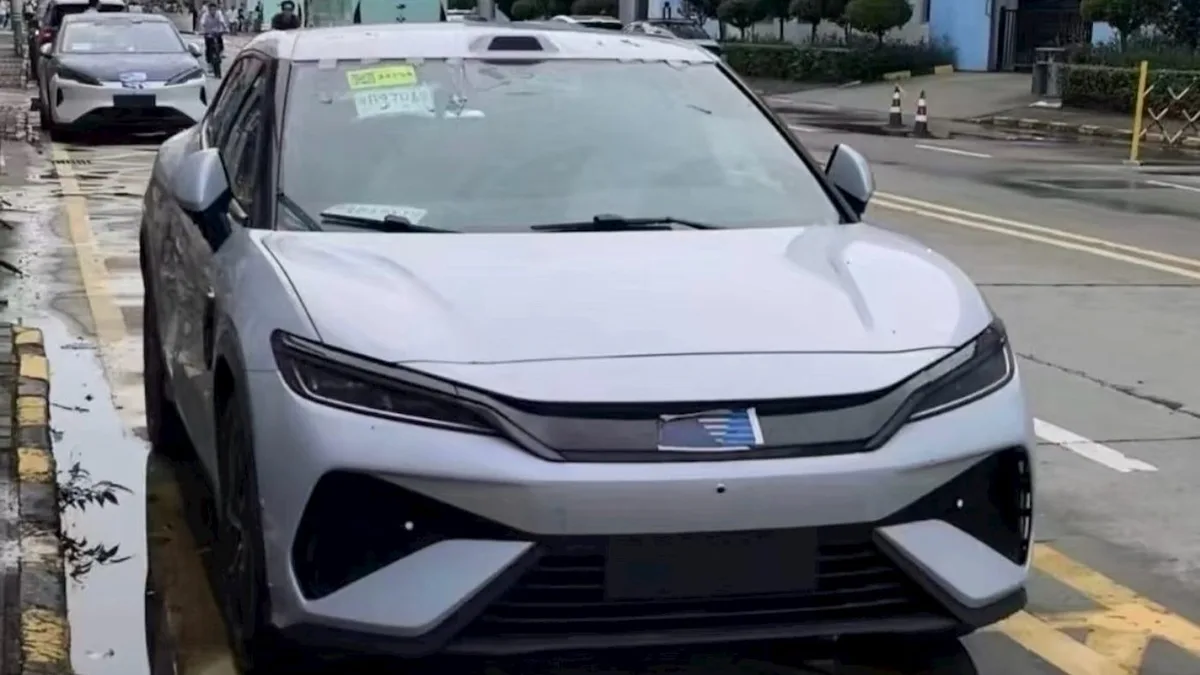
Tesla Robotaxi Camera Washer Sighting Makes Autonomy Hardware Look More Practical is a fresh autonomous car sighting worth reading carefully because it points to a Tesla robotaxi test vehicle spotted with camera washers in New Orleans. For Tesla robotaxi, the important question is whether that clue changes real buying or planning decisions, not whether it creates another loud rumor cycle.
Camera cleaning sounds mundane, but it is exactly the kind of hardware detail that decides whether autonomy survives rain, dust, bugs, and real city use. It also connects naturally with our earlier look at autonomy hardware sightings, because Tesla robotaxi sits inside the same wider pressure around components, software expectations, and faster product leaks.
The latest source hook comes from BASENOR, where Tesla robotaxi was pushed back into the current six-hour news window. That timing matters because autonomous car sighting can move quickly when suppliers, retailers, developer clues, or early public sightings start lining up.
A robotaxi cannot rely on a driver to notice a blocked lens, so self-cleaning sensors become part of the safety system rather than a convenience feature. For Tesla robotaxi, the useful question is how that detail would show up during ordinary use rather than how impressive it looks in an early headline.
For riders, the important question is not whether the car looks futuristic; it is whether the service can handle bad weather and messy streets without awkward disengagements. The buying decision around Tesla robotaxi is really about cost, reliability, support, and the chance that waiting another cycle brings a cleaner option.
A sighting does not prove a deployment plan, and Tesla still has to satisfy regulators, insurers, local governments, and passengers before the service can scale. For Tesla robotaxi, the sensible reading is to treat the report as useful direction, not a finished spec sheet, with room left for engineering changes, regional variants, and launch strategy.
More sightings in different climates would make the washer detail more meaningful, especially if paired with software release notes or city permits. Follow-up evidence around Tesla robotaxi matters because one report can start interest, while repeated signals from different places create a more reasonable expectation.
Waymo already treats sensor hardware as visible infrastructure, while Tesla continues trying to make camera-heavy autonomy look simpler. That pressure gives Tesla robotaxi wider competitive meaning, especially for companies planning accessories, software, pricing, or launch timing around incomplete information.
For readers following Tesla robotaxi, the practical takeaway is narrower than the headline. Early reports around Tesla robotaxi help with upgrade timing and platform expectations, but they should still sit below official specifications and independent testing.
Trust is also part of the Tesla robotaxi story. When a autonomous car sighting depends on hidden sensors, firmware, supply-chain choices, or AI behavior, clear limits matter more than polished launch language.
The strongest version of this report would add filings, retail database entries, teardown evidence, supplier statements, or hands-on testing tied directly to Tesla robotaxi. Until then, it is a direction marker, not a final buying guide.
For now, Tesla robotaxi belongs in the watchlist rather than the shopping cart. The next confirmation step matters more than the first headline for Tesla robotaxi.