Volkswagen's reported plan to cut a huge number of jobs lands like another warning that the car industry's software and EV transition is not a clean upgrade path. Automakers are trying to fund batteries, platforms, digital services, driver-assistance systems, and China-market competition while still carrying the cost structure of older combustion-era businesses. Something has to give, and labor is often where that pressure becomes visible.
The brutal part is that the shift is not only about replacing engines with battery packs. Modern car companies need software teams, battery supply deals, charging strategies, over-the-air update systems, data platforms, and faster product cycles. Those investments do not automatically remove the need for factories, logistics, service networks, and experienced manufacturing staff. For legacy brands, both worlds overlap expensively.
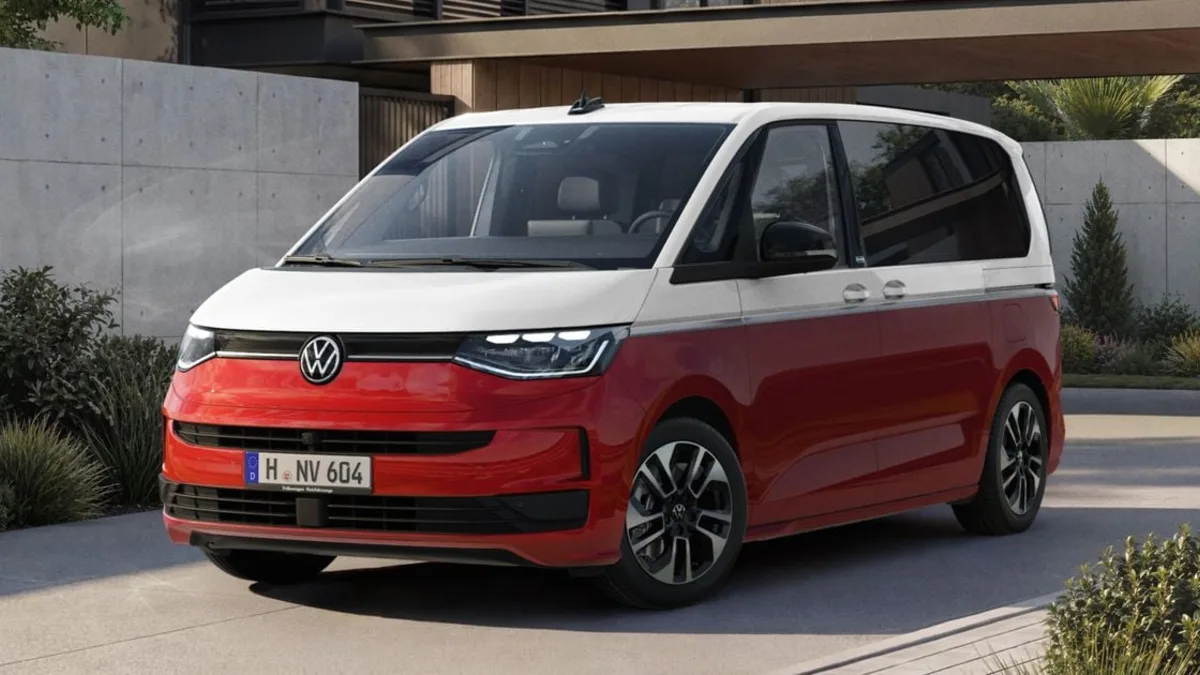
Volkswagen is a useful case because it has scale, global brands, and deep engineering history, yet it still faces pressure from Tesla, Chinese EV makers, and cheaper software-native competitors. A company that once relied on manufacturing excellence now has to prove it can move quickly in digital cabins, EV efficiency, and connected services without losing the quality trust that built its name.
Engadget reports that Volkswagen may plan to cut 100,000 jobs. The scale of that reported figure is what makes the story more than routine restructuring. It suggests the automaker is facing a long-term reset rather than a small efficiency program.
The pressure connects with the automotive technology themes we covered in battery IP and EV advantage reporting. Competitive strength in the next car cycle will come from batteries, software, supply discipline, and production efficiency at the same time.
Workers are not the only stakeholders affected. Dealers, suppliers, software vendors, battery partners, and regional governments all feel the shock when a company the size of Volkswagen considers deep cuts. That is why restructuring in the EV era is politically sensitive. It is not just a corporate spreadsheet; it reshapes local economies built around car manufacturing.
The report also shows why legacy automakers cannot simply copy startup language. Saying a car is software-defined is easy. Rebuilding a century-old organization around that reality is painful. Volkswagen's challenge is to cut enough cost to compete while keeping the engineering depth and manufacturing discipline that customers still expect from a major automaker.
If the job-cut report proves accurate, the story will become a marker for the wider industry. EV demand, software investment, and global price competition are forcing old car giants to make decisions that would have seemed extreme a few years ago. The transition is real, but it is not gentle.
For buyers, the immediate worry is whether cost cutting will affect product support. Volkswagen has to keep software updates, parts availability, warranties, and service quality steady even while reshaping the business. A company can reduce headcount and still improve focus, but customers will judge the transition by reliability, not by investor presentations.
The report also puts pressure on policymakers. Governments have encouraged EV investment, battery plants, and cleaner transport, but the transition can still damage traditional industrial jobs. If large automakers restructure sharply, public support for the EV shift may depend on whether new software and battery roles appear quickly enough to replace old ones.