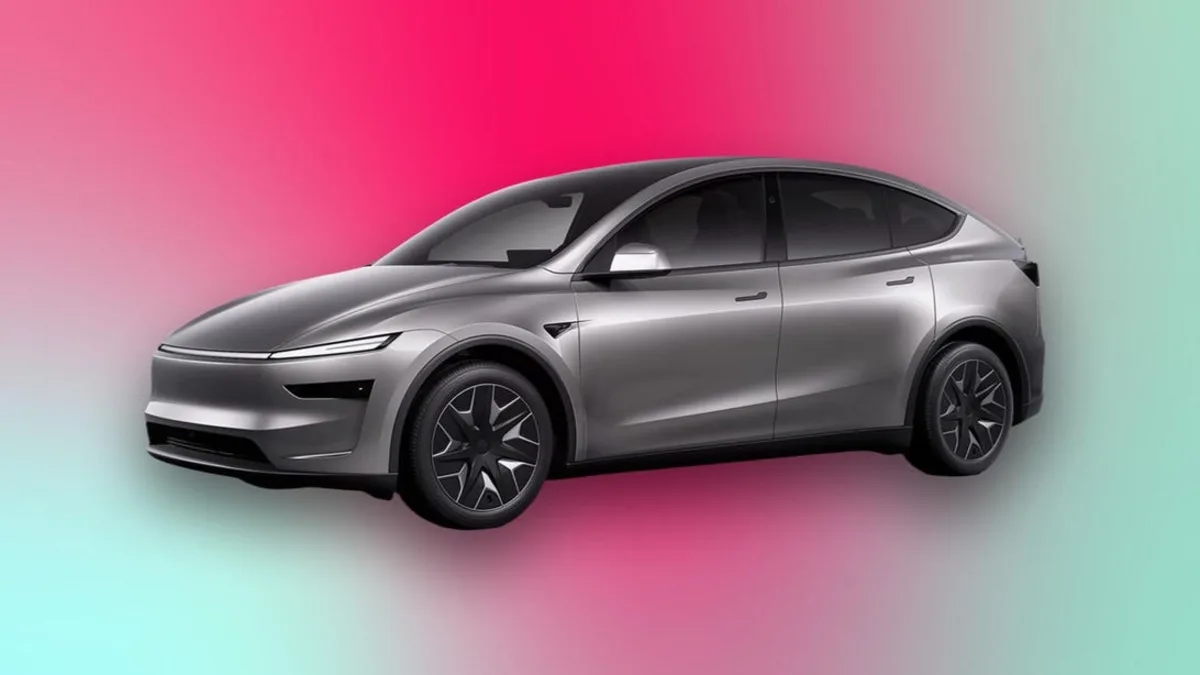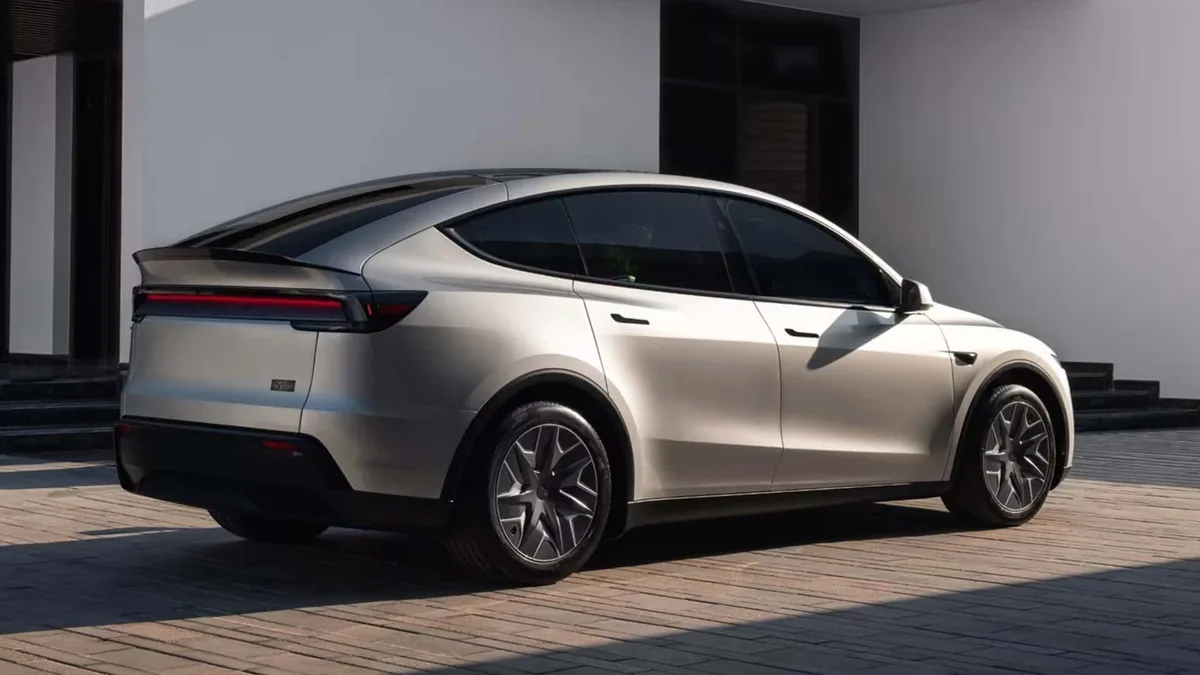
The Tesla Model Y L third-row report is important because it addresses one of the most practical limits of the regular Model Y. Families like the efficiency and charging network, but a compact crossover body can only stretch so far when buyers need occasional extra seats, luggage room, and easier child access.
A longer Model Y is not a glamorous idea, yet it may be a very Tesla idea. The company already has the platform, brand awareness, and supply chain. Extending the package could let it reach more family buyers without asking them to jump to a much larger and more expensive vehicle.
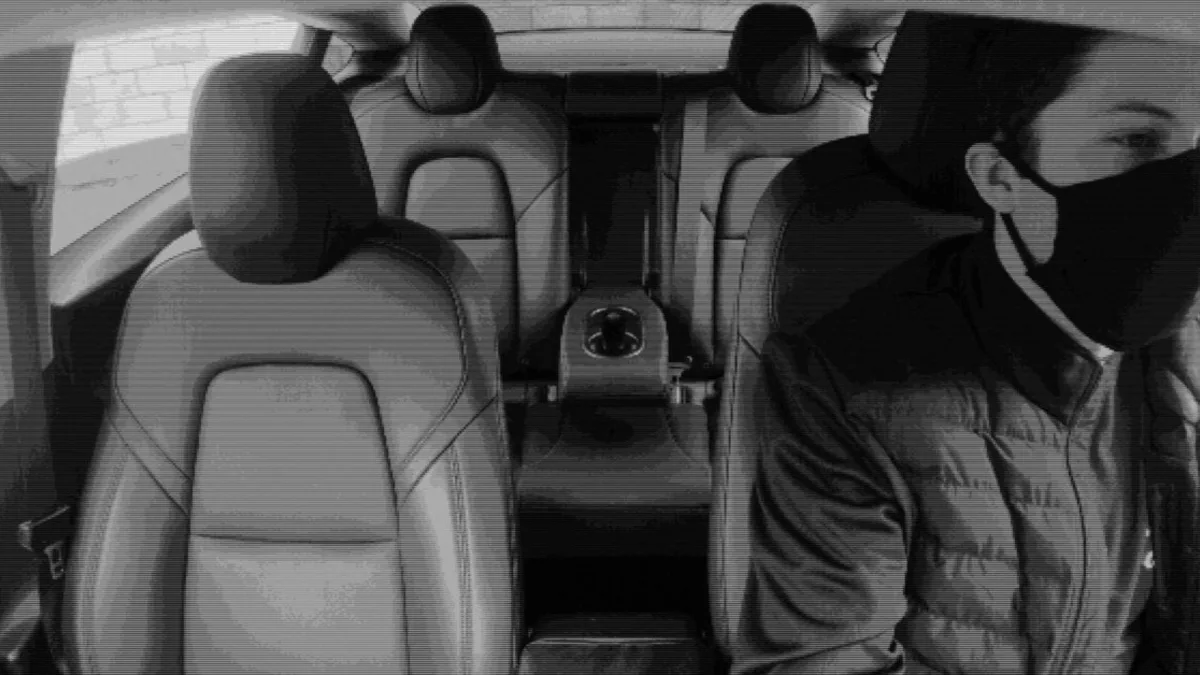
The story connects with our coverage of Tesla hardware practicality. Whether the topic is autonomy sensors or third-row packaging, the useful question is how the design works in ordinary conditions.
Motor1 reported the Model Y L launch angle around the third-row configuration, which makes the vehicle less of a trim story and more of a family-EV strategy. The detail is simple, but it changes who the car is meant to serve.
The engineering challenge is space. A third row in a vehicle this size is usually occasional seating, not full-size comfort. Tesla has to balance legroom, crash structure, rear cargo depth, roofline, battery packaging, and weight without weakening the range story that helped make the Model Y popular.
For buyers, the appeal is flexibility. A third row can handle school runs, visiting relatives, carpool duty, or short trips with extra passengers. Even if the seats are not used daily, their presence can remove a reason to shop a different brand.
The competitive set is growing quickly. Hyundai, Kia, Rivian, Volvo, and legacy automakers are all trying to make three-row EVs feel normal. Tesla can respond with software, charging, and price, but it also needs the physical package to feel credible.
There are open questions around availability, market timing, and whether the longer version reaches the United States. Tesla often varies products by region, and a China-focused launch would not automatically mean the same configuration appears everywhere.
The next useful evidence will be official dimensions, cargo measurements, curb weight, and range estimates. Those numbers will show whether the L version is a clever extension or a compromise that only looks good in launch photos.
Third-row access is the detail families will judge quickly. A seat that looks acceptable in photos can become frustrating if children cannot climb in easily, if booster seats block the path, or if luggage disappears when all rows are used. Tesla needs the L version to solve real family friction, not only add a checkbox.
The longer body could also change ride comfort. Extra length and weight may improve stability, but they can also affect efficiency, parking ease, and tire wear. Tesla's software can optimize many things, yet physical packaging still determines whether the vehicle feels like a clever family tool or a stretched compromise.
The report makes one thing clear: family EV demand is not only about battery size. It is about packaging. If Tesla can add usable flexibility without losing the Model Y's efficiency advantage, the L could become a very practical expansion.