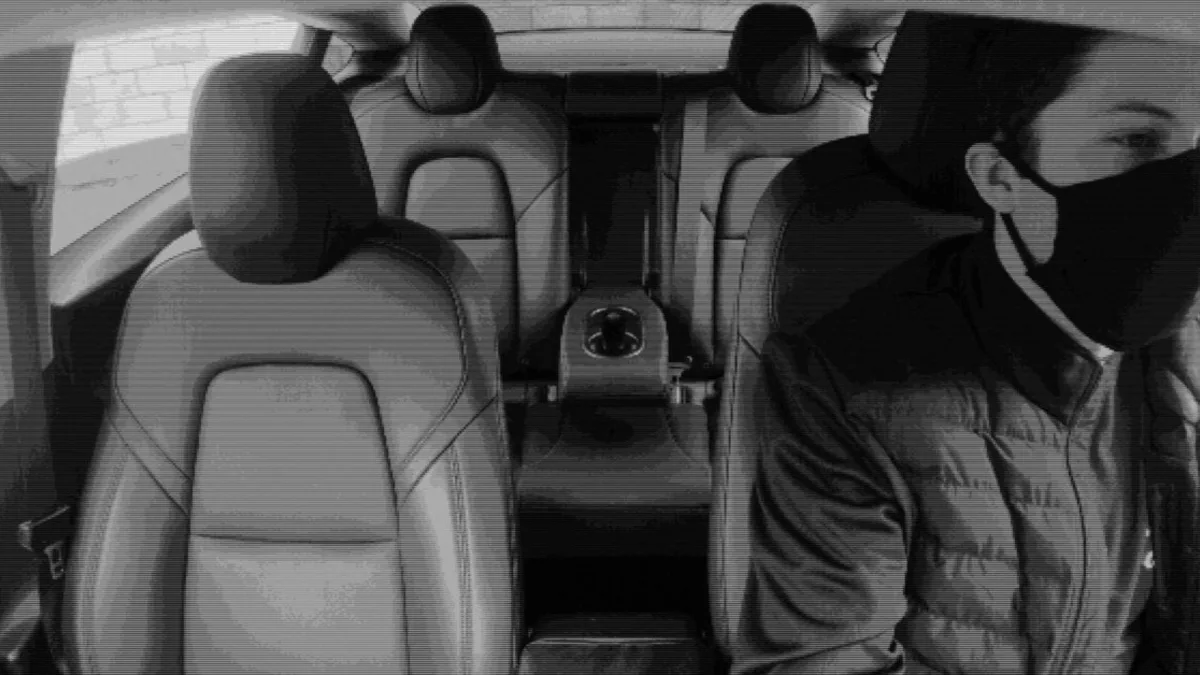
The Tesla FSD cabin camera code leak raises a sensitive autonomy question: when a car can watch the driver, should identity become part of how advanced driving features are controlled? That idea could improve accountability, but it also pushes deeper into privacy territory than a simple driver-attention alert.
Cabin cameras began as monitoring tools, but software can make them more powerful over time. A camera can check eyes, posture, distraction, occupancy, and potentially who is behind the wheel. Once identity enters the discussion, the feature becomes both a safety tool and a data governance problem.
This fits with our earlier look at Tesla autonomy hardware details. External cameras help the car understand the road, while cabin sensing helps the system understand whether a human is ready to take responsibility.
Electrek reported the code-leak angle around cabin-camera behavior and Full Self-Driving controls. The code reference matters because Tesla features often appear first as software clues before they become obvious in the user interface.
The safety argument is easy to understand. If FSD access is tied to a known profile or verified driver state, Tesla could reduce misuse, block unapproved handoffs, or adjust warnings based on who is operating the vehicle.
The privacy argument is just as real. Drivers will want to know whether identity checks are processed locally, whether images are stored, how long data survives, and whether any human review or fleet learning is involved.
Regulators may also care. As driver-assistance systems become more capable, companies will face pressure to show that the person in the seat is attentive and authorized. Cabin camera evidence could become part of crash analysis, insurance disputes, or compliance reviews.
The leak does not prove a finished feature. Code can be experimental, region-limited, disabled, renamed, or abandoned before release. Tesla watchers have seen many software references surface long before a user-facing change arrives.
The next signal will be release notes, owner manual language, privacy-policy updates, or UI prompts that mention driver verification. Those details will tell whether this remains internal scaffolding or becomes part of the FSD experience.
There is also an account-sharing angle. If advanced driver-assistance features are tied to subscriptions, trials, or regional eligibility, Tesla may want stronger assurance that the right person is using the feature. That can prevent abuse, but it also makes the car feel more like a logged-in device than a traditional vehicle.
The user experience will decide acceptance. A calm prompt that explains why verification is needed may be accepted; a confusing lockout while someone is trying to drive will not. Tesla has to make any identity-based control predictable, explainable, and rare enough that it does not become a daily annoyance.
Fleet owners may see the idea differently from private drivers. A rental company, delivery operator, or corporate fleet could value identity-based controls because they create accountability for who used advanced features and when. Private owners, however, may judge the same feature by how much it feels like surveillance inside a vehicle they already paid for.
The broader takeaway is that autonomy is not only about the road outside the car. It is also about proving who is responsible inside the car, and that may become one of the most contested parts of driver-assistance design.