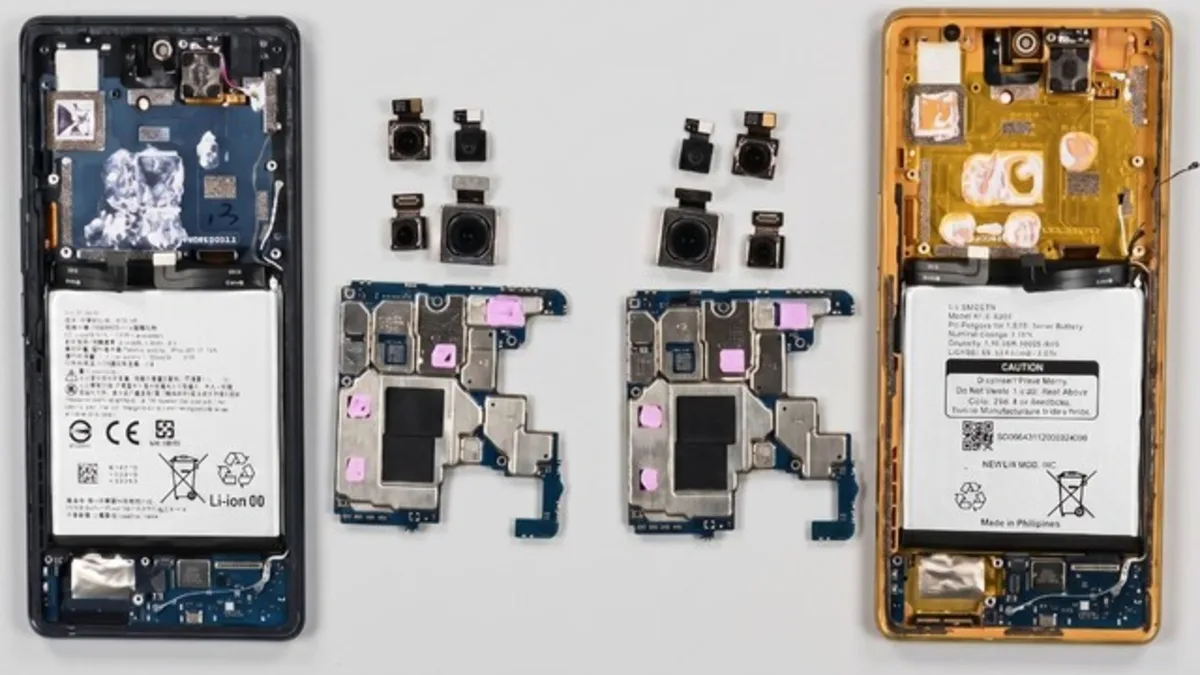
A politically branded phone lives or dies on trust. The Trump T1 teardown claim is therefore more than a curiosity about parts. If a device is marketed around identity, national branding, or a special promise, the hardware has to match the story. A teardown that compares it closely to an existing phone immediately turns the product into a transparency test.
The reported comparison with the HTC U24 Pro raises familiar questions. Who designed the phone? Where are the parts sourced? What is actually new? Is the software meaningfully different? Are security updates guaranteed? These questions matter for any smartphone, but they matter even more when the device is being sold through a political or ideological lens.
Rebranded hardware is not automatically bad. Many phones share platforms, suppliers, ODM designs, and component families. The smartphone industry is built on common supply chains. The problem begins when marketing suggests a device is more original, domestic, secure, or purpose-built than the hardware evidence supports.
HKEPC reported the teardown claim and the close hardware comparison. It is another reminder that phone branding can be complicated, just as we saw in our coverage of the Commodore Callback 8020, where nostalgia had to meet real hardware choices.
Phone buyers need more than a logo
A smartphone is a deeply personal device. It holds messages, photos, location history, payments, health information, and identity tokens. That means trust cannot be built only through branding. Buyers need clear update policies, repair options, privacy settings, and honest sourcing information.
Teardowns help because they make marketing claims testable. They show battery layout, board design, cameras, antennas, repairability, and component markings. They can reveal whether a device is genuinely custom or mostly a known design with a new shell. That kind of evidence is useful even when the conclusion is uncomfortable.
The political angle makes the story louder, but the lesson applies broadly. Phones from celebrities, influencers, carriers, niche brands, and revived names all face the same question: what are users actually buying? If the answer is only a logo and a software skin, the price should reflect that.
Security is the harder issue. A rebranded phone can be safe if the supplier, firmware, update chain, and permissions are handled responsibly. It can also be risky if support is unclear or if software modifications are rushed. Buyers should not assume a phone is secure simply because the brand message sounds confident.
The Trump T1 teardown claim shows why independent hardware inspection still matters. In a market full of recycled designs and powerful branding, physical evidence keeps everyone honest. A phone can borrow parts, but it cannot borrow trust. That has to be earned through transparency after the launch hype fades.
That makes the teardown useful even for people who would never buy this particular phone. It is a reminder to ask boring questions before trusting any branded handset: who maintains the software, who repairs it, who owns the update path, and what happens when the promotional moment is over. Hardware trust starts there.