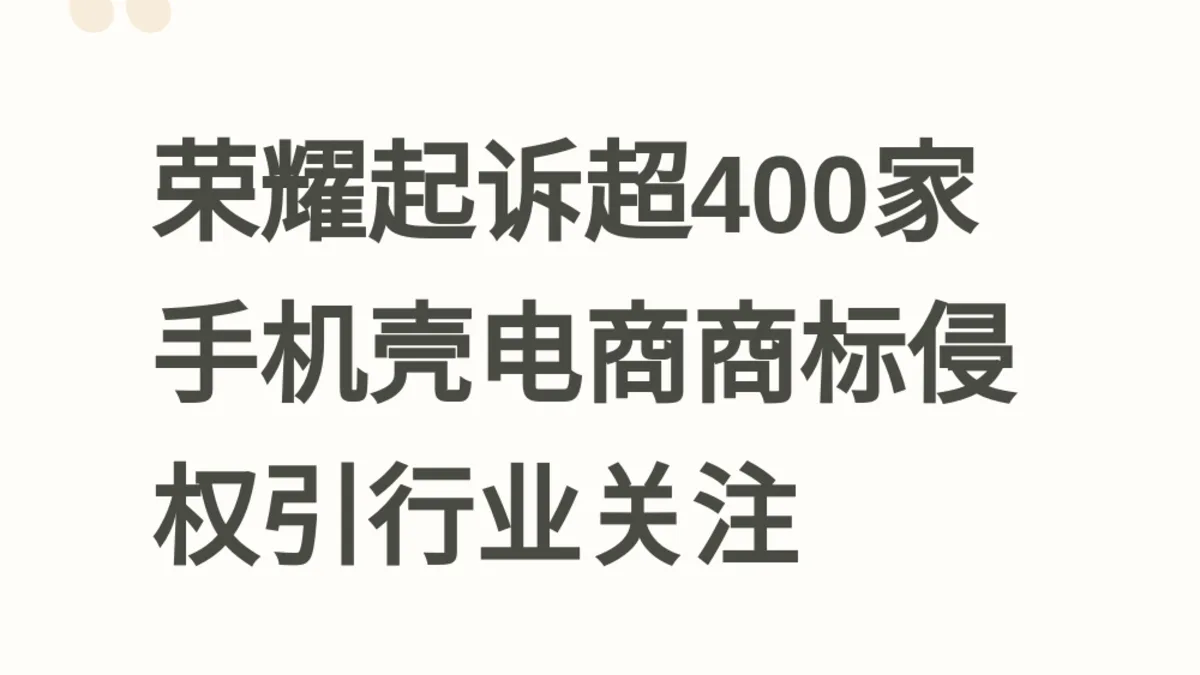
Phone cases may look like a small corner of the smartphone market, but they are a huge business built on brand names, model names, and search traffic. A new Chinese report says Honor has sued more than 400 ecommerce sellers over phone case trademark issues, and that should get the attention of accessory shops far beyond China. The case shows how seriously phone brands are treating marketplace language.
The issue is not whether sellers can make cases that fit Honor phones. Compatibility itself is normal. The problem is how sellers describe those products. If a listing uses a brand name, logo, or model wording in a way that suggests official authorization, the line between compatibility and infringement becomes much easier to challenge. Online stores often blur that line because brand keywords help customers find products.
This matters for buyers too. A crowded marketplace can make it difficult to tell official cases, licensed cases, and third-party compatible cases apart. Some third-party cases are excellent, but misleading branding can create confusion around quality, warranty, and authenticity. Smartphone makers have an incentive to protect their name because a bad accessory experience can still damage the phone brand in the buyer mind.
ZOL reported that Honor has filed lawsuits against more than 400 phone case ecommerce merchants over alleged trademark infringement. The report says product detail pages and store wording are part of the dispute, making this as much about marketplace presentation as physical goods.
The story connects with the broader phone ecosystem pressure we see around every major launch. When a new device like the Galaxy A27 appears in render leaks, accessory sellers start preparing cases long before the product is widely available. Speed matters, but careless branding can create legal exposure.
For small sellers, the lesson is straightforward: compatibility language needs to be precise. Phrases like "for Honor" are safer when used clearly, while logos, official-looking imagery, and copied brand styling create risk. Sellers also need to avoid implying partnership unless they actually have one. The accessory business moves fast, but legal cleanup is expensive and can wipe out the profit from a hot product cycle.
For phone makers, stronger enforcement can protect official channels, but it also needs balance. Third-party accessories make phones more useful and affordable. A healthy case market gives buyers more colors, textures, grip options, wallet designs, rugged protection, and prices. The goal should be clearer labeling rather than crushing every independent seller. Consumers benefit when compatibility is open and branding is honest.
The Honor lawsuit report is a reminder that the smartphone business does not end at the phone. Cases, chargers, protectors, straps, mounts, and cables all orbit the same brand value. As marketplaces grow more competitive, phone companies will keep watching how their names are used. Accessory sellers that treat branding as casually as keyword stuffing may find that the next product launch comes with legal attention attached.
For buyers, the safest listings are usually the clearest ones. They should state compatibility plainly, avoid official-looking claims, and make the seller identity easy to understand.