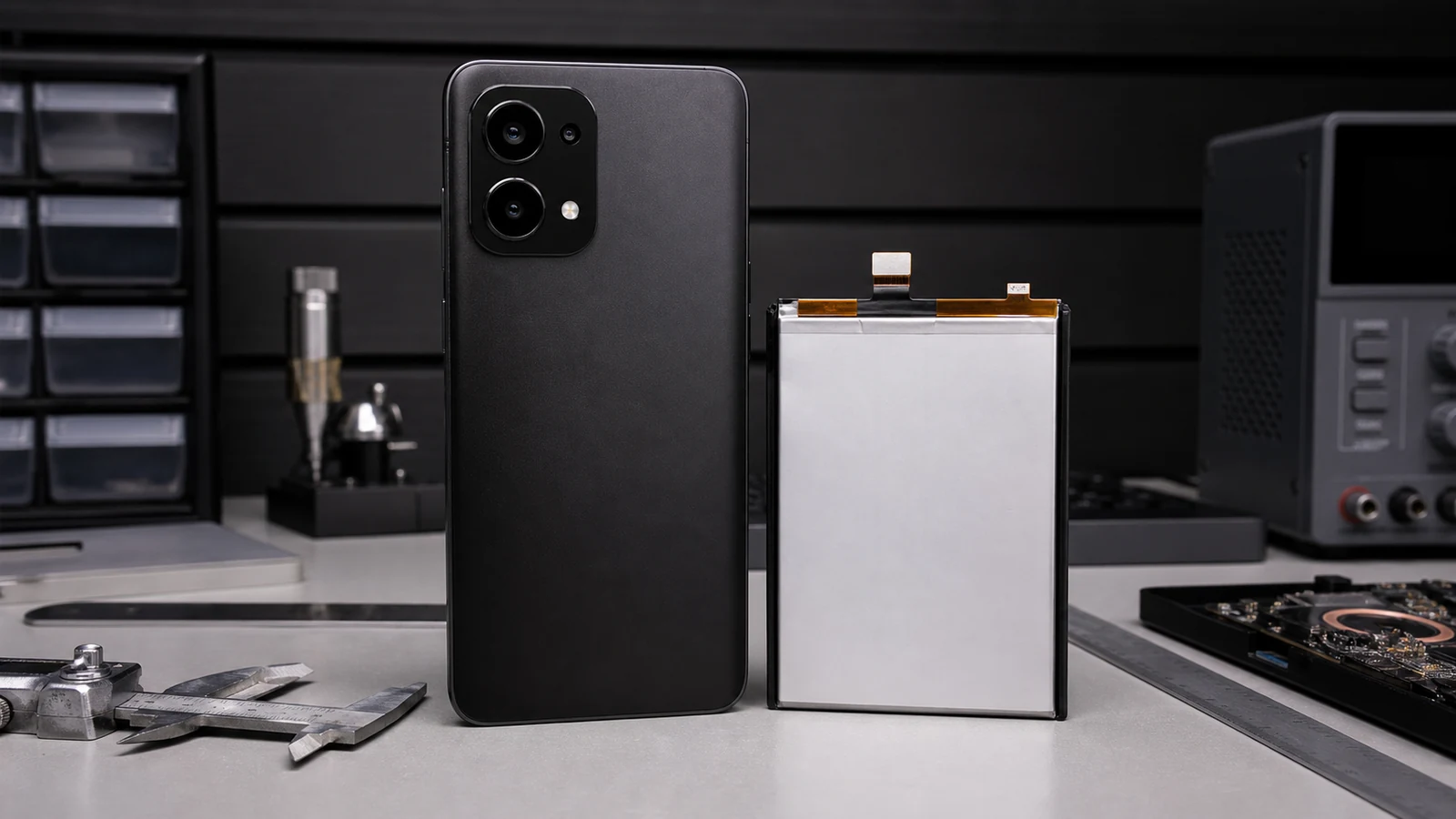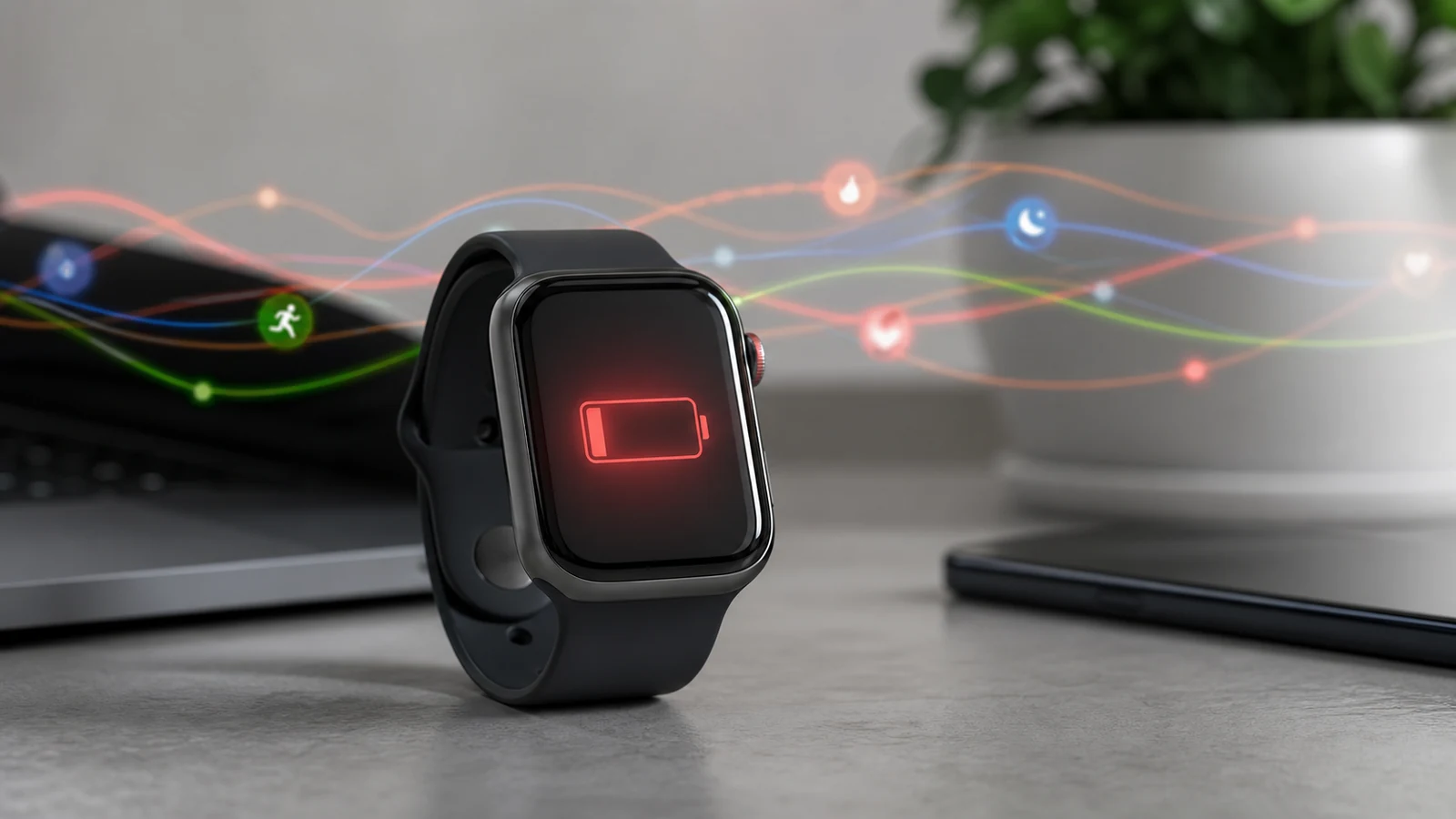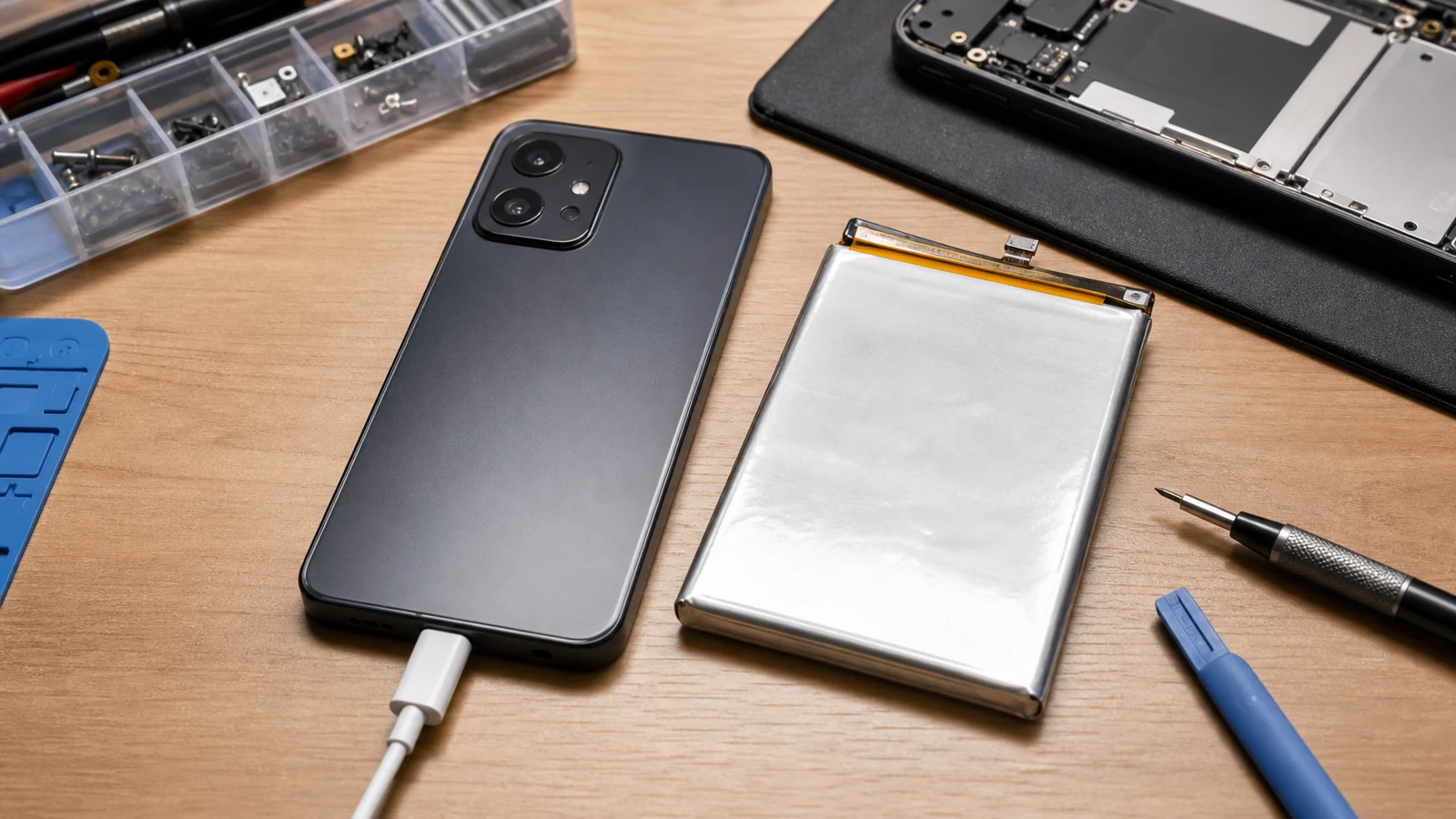
The Honor X80 leak points to a budget phone fight that is becoming less subtle. Instead of competing only on camera megapixels or charging numbers, brands are pushing battery capacity into territory that used to belong to rugged phones and small tablets. If the leaked 10000mAh class figure is accurate, Honor is trying to make endurance the main reason to pay attention.
That strategy makes sense because affordable phone buyers often care about reliability more than design theater. A large battery can be understood without a spec decoder. It means longer screen time, fewer charging stops, and more confidence for work, school, delivery jobs, travel, gaming, and streaming. In markets where power access can be uneven, that feature is not a luxury.
Honor would not be alone. Recent Android leaks have made big batteries feel like a category trend, and Patriotic Tech has already covered how the Redmi Turbo 5 leak raised battery pressure in the midrange. The X80 rumor would push the same idea into another brand lane.
The tradeoff buyers will notice
A huge battery creates practical advantages, but it also forces choices. The device can become heavier, thicker, and harder to cool. The screen size matters too. A 6.8 inch display can make the phone feel modern and comfortable for video, but it also consumes more power. Honor would need software tuning and display efficiency to make the large cell feel like an advantage instead of a rescue plan.
Charging speed is another key detail. A large battery that charges slowly can be frustrating because a quick top-up no longer fixes the day. But very fast charging creates heat and long-term battery health questions. The sweet spot is not just the highest wattage number. It is a charging system that is fast enough, predictable, and gentle enough to keep capacity healthy after a year of daily use.
The leak also says something about where affordable phones are going. Brands know that AI features are harder to sell at the low end if they depend on expensive silicon or paid cloud services. Battery life, by contrast, is immediate. It gives the buyer a reason to choose one phone over another before any future software promise arrives.
If Honor handles the weight, thermal design, and charging profile well, the X80 could become part of a broader shift away from ultra-thin marketing. Many users would rather have a phone that lasts than a phone that wins a thinness comparison for five minutes in a store.
The buyer psychology is different in this segment too. Premium shoppers may chase camera tuning or brand status, but budget and midrange shoppers often need a phone that works hard without complaint. A larger battery is a direct answer to that pressure. It helps students who stream lessons, riders who keep navigation open, creators who record long clips, and families who share one charger overnight. The leaked direction carried by MSN gives Honor a practical message that can be stronger than vague AI claims. The company still needs a clean update policy and a display that does not drain the battery advantage, but the basic pitch is unusually clear: spend less time thinking about power and more time using the phone.