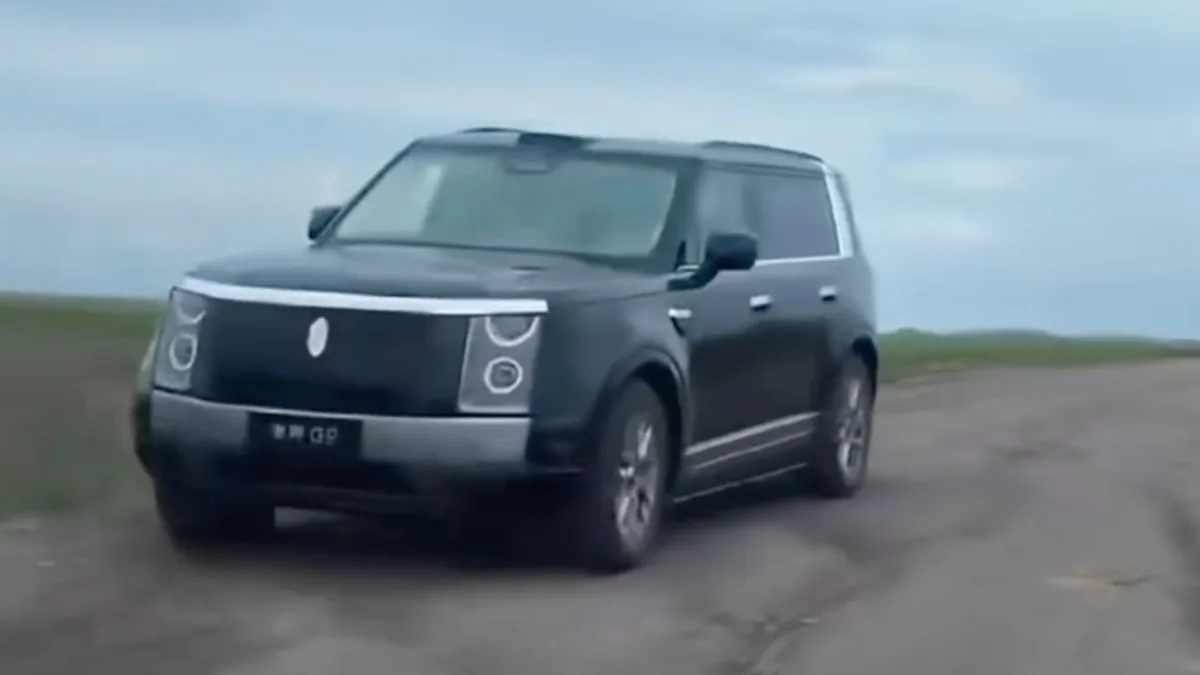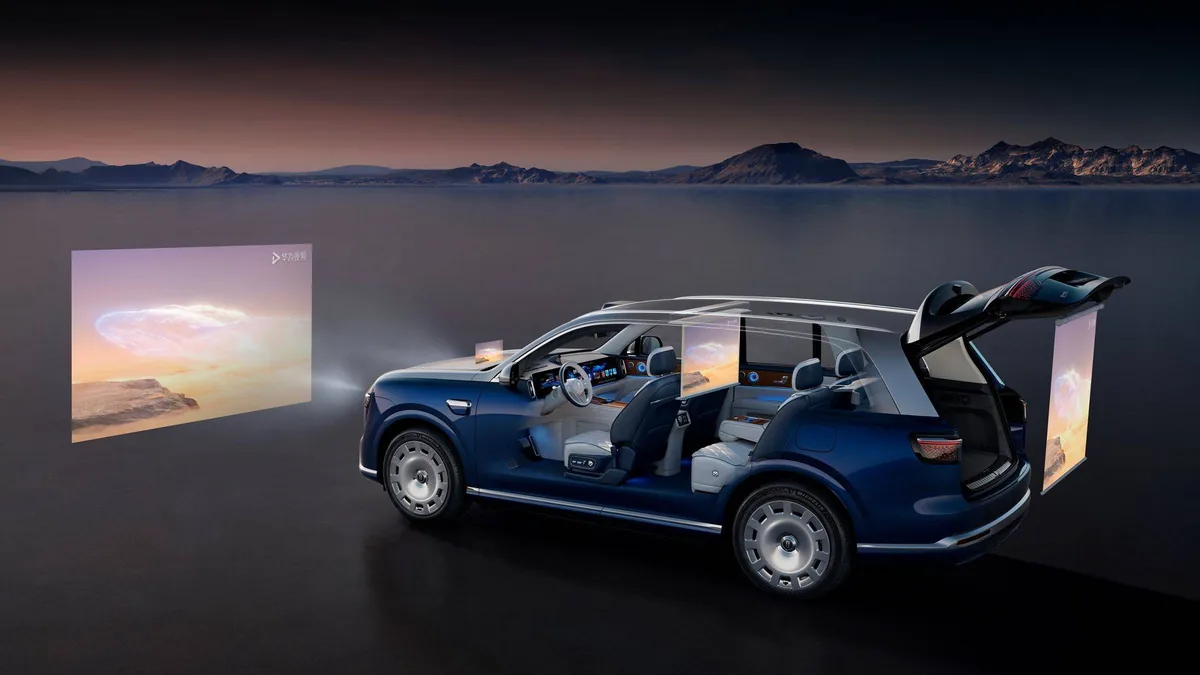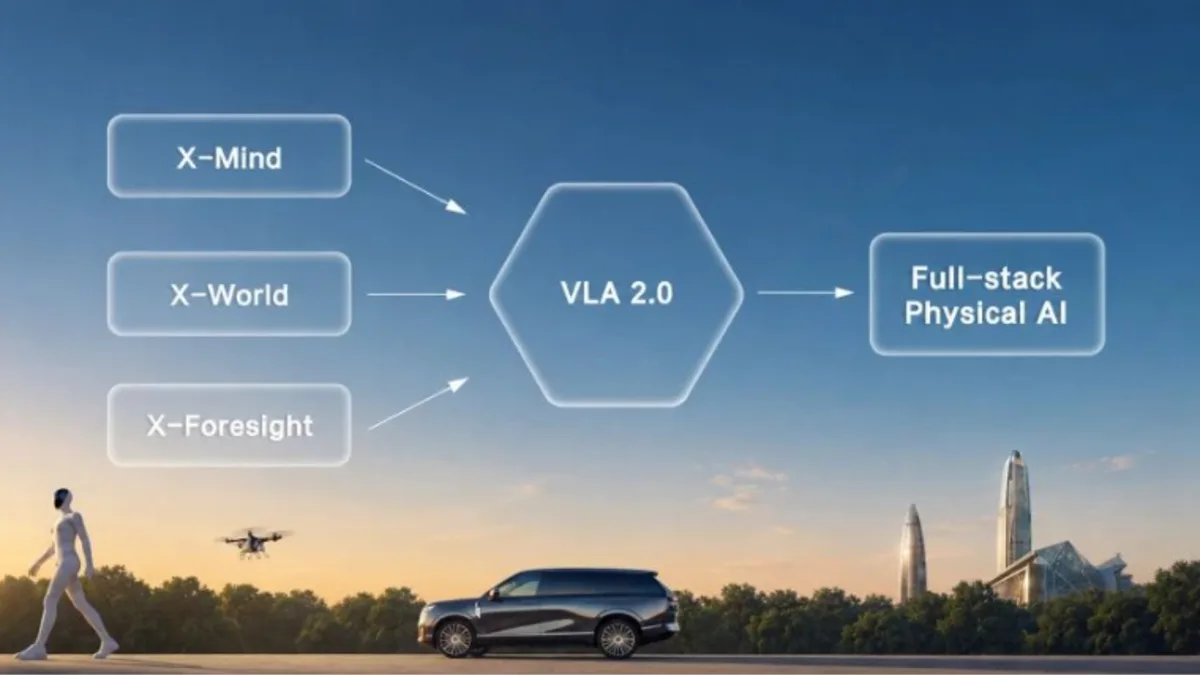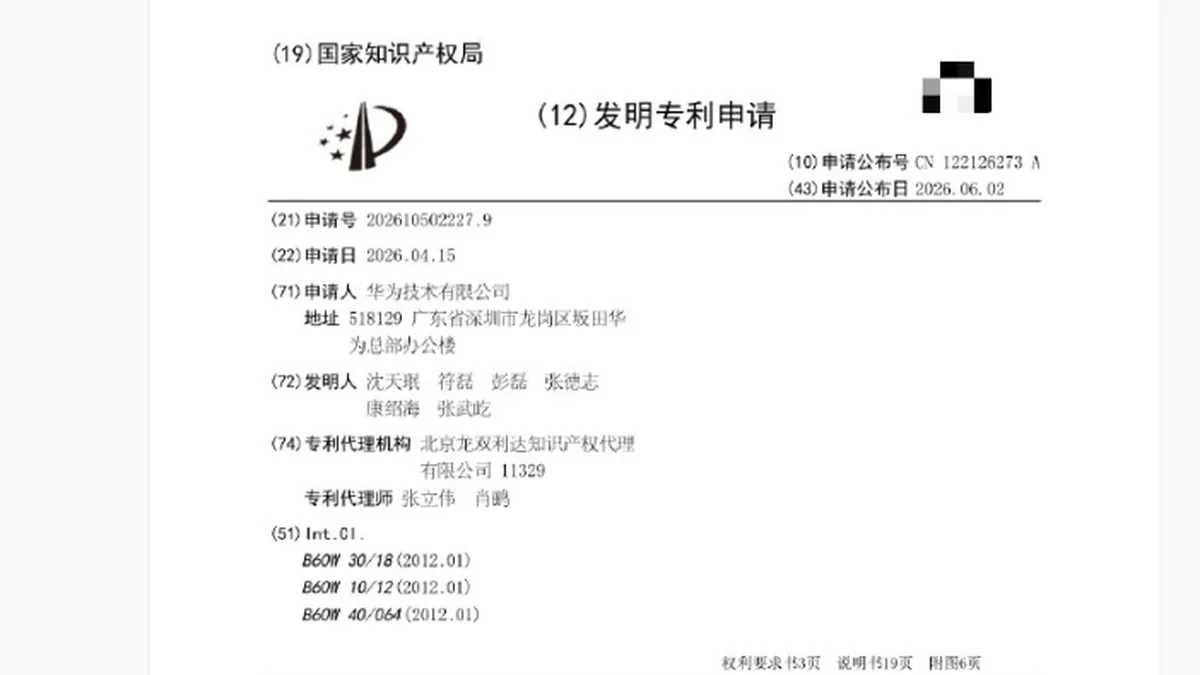
The most interesting car patents are the ones that turn a mechanical idea into a software-defined experience. A newly exposed Huawei differential lock patent points in that direction. The report suggests Huawei may use sensing and control systems to help drivers handle traction situations more intelligently, potentially tied to a future Harmony Intelligent Mobility vehicle such as the Enjoy G9.
Differential locks are usually discussed in off-road and utility terms, but smart EV platforms can reinterpret them. Electric motors, wheel-end sensing, driver-assistance cameras, and software control can work together to manage grip in ways that feel simpler for normal drivers. That connects naturally with our Enjoy G9 leak coverage, where large intelligent SUVs are becoming technology showcases.
新浪科技 reports that a Huawei patent related to differential lock technology has been exposed and may be connected with an upcoming Harmony Intelligent Mobility model. The report describes a system using perception and wheel-end sensing to assist control.
If implemented well, the feature could make difficult driving situations easier for people who are not off-road experts. Instead of asking the driver to understand mechanical locking behavior, the vehicle could decide how to distribute torque and maintain stability.
The risk is overpromising. Smart traction features need to work in mud, snow, sand, steep driveways, and uneven road surfaces without surprising the driver. A software-defined control system must be transparent enough that users know what the vehicle is doing.
For Huawei, the patent also reinforces a broader automotive strategy. The company is not only supplying screens or infotainment. It wants a role in sensing, control, driving assistance, and vehicle intelligence. Those are deeper layers of the car stack.
The patent leak does not guarantee a production feature, but it shows where smart EV competition is heading. The best future vehicles may not simply have more motors or bigger batteries. They may make complex driving behavior easier through software.
The patent also fits a broader move toward vehicles that interpret terrain for the driver. Cameras, inertial sensors, wheel-speed data, suspension readings, and motor feedback can all feed a control system that decides how to react. That is very different from older off-road features, where the driver often had to choose modes and understand mechanical limits.
If Huawei can simplify that experience, it could make rugged-looking SUVs more approachable. Many buyers like the idea of off-road capability but rarely have the skill or confidence to use it. Software-assisted traction can turn capability into reassurance. The challenge is making the system feel predictable, because drivers lose trust quickly when a car intervenes in ways they do not understand.
Automakers will likely compete on these invisible control systems more often. Once electric platforms make torque easier to manage, brands can differentiate through how intelligently that torque is used. Huawei's patent activity suggests it wants to own part of that intelligence layer. For buyers, the result could be vehicles that feel more capable without requiring deeper mechanical knowledge.
The best version of this technology would be almost invisible. Drivers would simply feel the vehicle remain composed where an older system might slip, hesitate, or require a mode change.