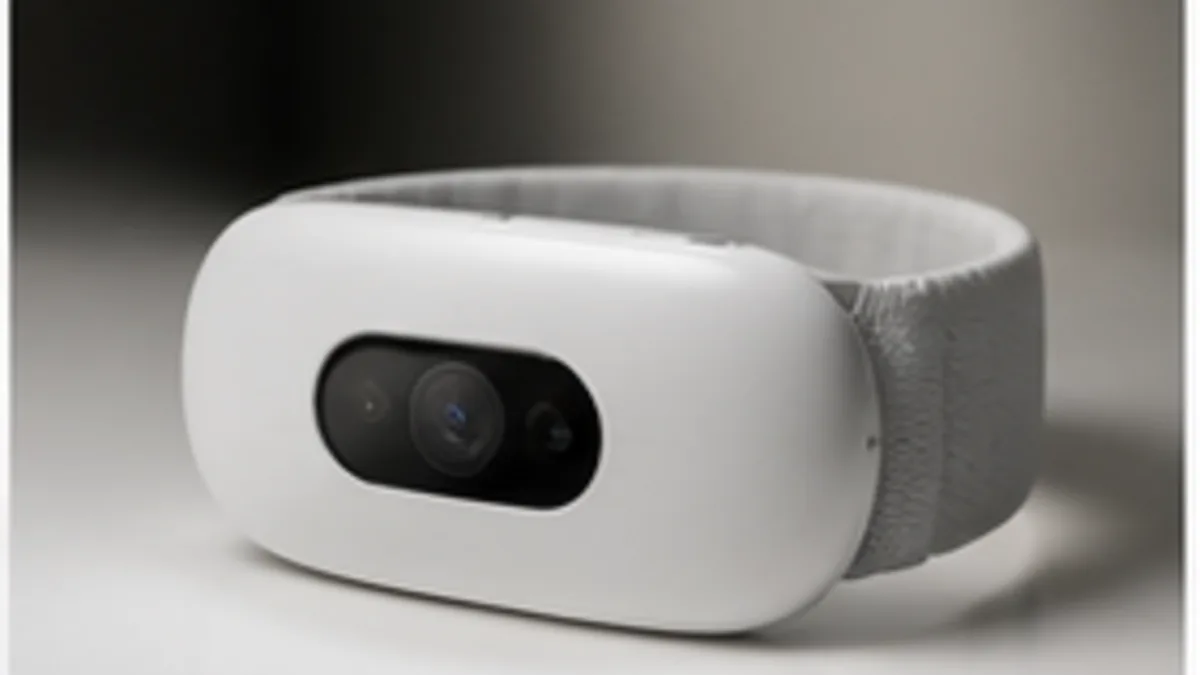
iOS 27 Source Code Leak Points to Apple Wearable Visual Intelligence is a fresh wearable code leak worth reading carefully because it points to iOS 27 code references that point to a camera-equipped wearable tied to Visual Intelligence. For Apple wearable, the important question is whether that clue changes real buying or planning decisions, not whether it creates another loud rumor cycle.
The leak matters because software references usually appear when Apple is preparing a feature path, not simply when a design team is sketching concepts. It also connects naturally with our earlier look at Samsung wearable interface leak, because Apple wearable sits inside the same wider pressure around components, software expectations, and faster product leaks.
The latest source hook comes from GSMArena, where Apple wearable was pushed back into the current six-hour news window. That timing matters because wearable code leak can move quickly when suppliers, retailers, developer clues, or early public sightings start lining up.
A wearable that can see the environment would make Apple Intelligence more physical, moving the assistant from screen prompts into object recognition and context capture. For Apple wearable, the useful question is how that detail would show up during ordinary use rather than how impressive it looks in an early headline.
For Apple users, the key issue will be trust: a camera on the body can be useful, but it has to explain when it is active and where the data goes. The buying decision around Apple wearable is really about cost, reliability, support, and the chance that waiting another cycle brings a cleaner option.
Source-code clues can also describe prototypes that never ship, so this should be read as product direction rather than a confirmed launch window. For Apple wearable, the clue is strong enough to follow, but still too early to turn into buying advice, with room left for engineering changes, regional variants, and launch strategy.
The next useful signals are accessory identifiers, regulatory filings, developer strings, and whether Apple starts preparing privacy language around always-available visual features. Follow-up evidence around Apple wearable matters because one report can start interest, while repeated signals from different places create a more reasonable expectation.
Meta and Samsung are already turning glasses into AI hardware, so Apple cannot wait forever if it wants Visual Intelligence to feel native outside the iPhone. That pressure gives Apple wearable wider competitive meaning, especially for companies planning accessories, software, pricing, or launch timing around incomplete information.
For readers following Apple wearable, the practical takeaway is narrower than the headline. Early reports around Apple wearable help with upgrade timing and platform expectations, but they should still sit below official specifications and independent testing.
Trust is also part of the Apple wearable story. When a wearable code leak depends on hidden sensors, firmware, supply-chain choices, or AI behavior, clear limits matter more than polished launch language.
The strongest version of this report would add filings, retail database entries, teardown evidence, supplier statements, or hands-on testing tied directly to Apple wearable. Until then, it is a direction marker, not a final buying guide.
The most useful way to read Apple wearable is as a direction signal, not a finished promise. The next confirmation step matters more than the first headline for Apple wearable.