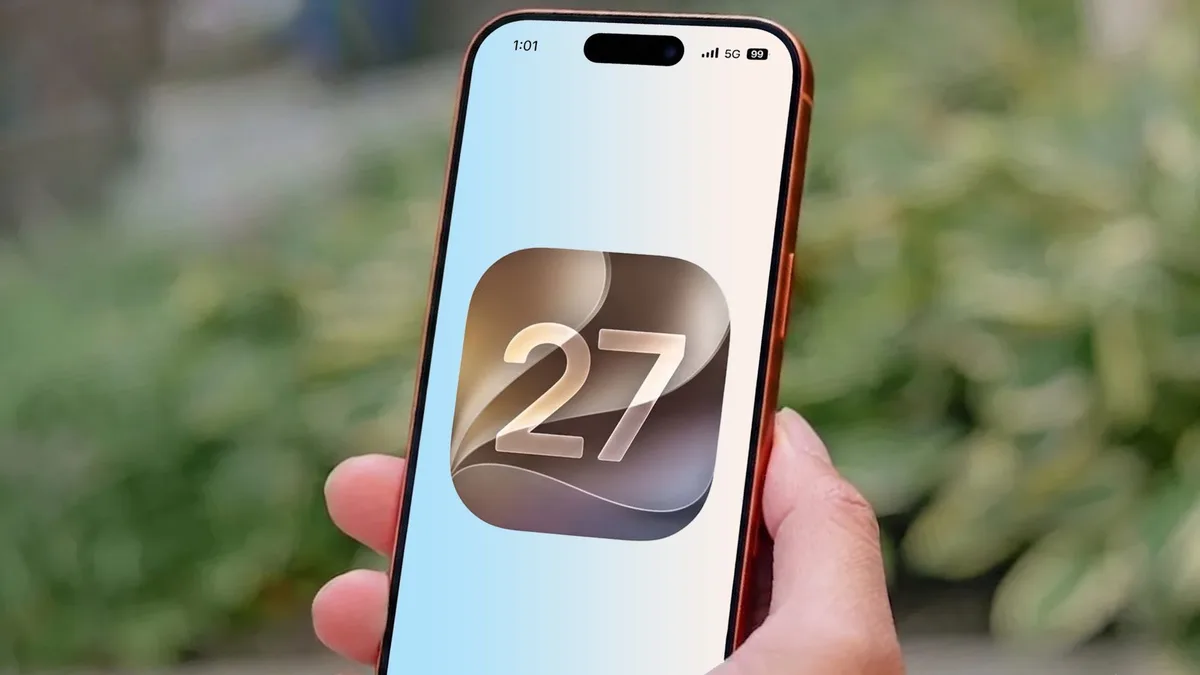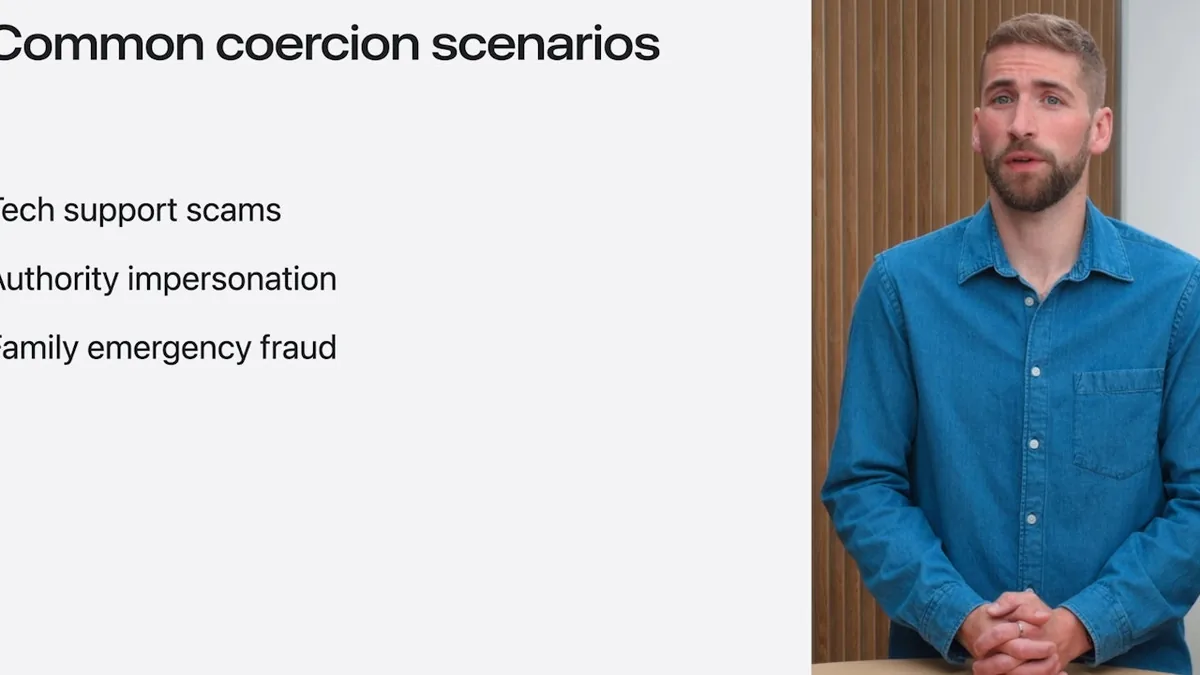
A Chinese-language report on iOS 27's Trust Insights feature suggests Apple may turn real-time scam protection into a more visible iPhone function. That would make security feel less like a setting and more like active assistance.
Phone scams have become more sophisticated, especially when messages, calls, payment prompts, and social engineering are combined. A system-level warning can help before a user makes a costly mistake.
This also connects with our earlier look at iOS 27 utility features, because the same product cycle is now being shaped by design evidence, supplier pressure, and the way buyers read early hardware clues.
The feature report from 香港01 describes Trust Insights as a tool for monitoring and preventing fraud risks on the phone.
The signal is that Apple may be treating trust as a live interface layer, not just a privacy marketing phrase.
A strong anti-scam feature would need on-device detection, cloud intelligence, contact reputation, message context, and careful privacy boundaries.
For users, the appeal is obvious: a phone that helps spot danger before a transfer, link tap, or account handover.
The timing fits a broader shift in mobile security. People now expect phones to warn them about spam, malicious links, and suspicious payment behavior.
The risk is false confidence. No phone feature can catch every scam, and bad warnings can either annoy users or train them to ignore alerts.
Google, Samsung, Xiaomi, and regional security apps all want to own scam protection. Apple's advantage would be deep iOS integration.
Watch whether Trust Insights appears in developer documentation, system settings, or regional iOS builds where scam rates are high.
The HK01 report makes iOS 27 sound less like a visual update and more like a safety-focused phone upgrade.
A grounded reading of HK01 iOS 27 Trust Insights Report Makes Anti-Scam Protection a Phone Feature sits between hype and dismissal. The details are specific enough to track, but they still need confirmation from launch material, filings, retail pages, or multiple unrelated leaks before buyers should treat them as final.
The business angle is also different from the fan conversation. 香港01 is describing one public clue, while the companies involved have to think about component costs, regional demand, software readiness, and how quickly rivals can copy the same idea.
Execution will decide whether this becomes a real advantage. A strong anti-scam feature would need on-device detection, cloud intelligence, contact reputation, message context, and careful privacy boundaries. That is why the final product or platform will be judged by how naturally the feature works, not only by how strong it sounds in an early report.
The practical takeaway from 香港01 is to watch for repetition from independent sources. If the same direction keeps appearing in certifications, supplier notes, app code, retail listings, or hands-on leaks, HK01 iOS 27 Trust Insights Report Makes Anti-Scam Protection a Phone Feature will move from rumor watch to launch expectation.
For Patriotic Tech readers looking at 香港01, the value is not simply being early. The value is knowing whether HK01 iOS 27 Trust Insights Report Makes Anti-Scam Protection a Phone Feature can change upgrade timing, platform trust, developer planning, or the competitive story around iOS 27.