A recovery tool is not the flashiest iOS feature, but it can matter more than a new wallpaper when something goes wrong. A Chinese report says iOS 27 adds a Mac-like recovery mode that lets iPhones complete diagnostics and repair flows without needing a computer. If accurate, that would make one of the most stressful parts of iPhone ownership less dependent on owning or borrowing another Apple device.
The current repair and recovery experience can feel outdated for a phone that many people use as their main computer. When an update fails or a device needs deeper diagnostics, being told to connect to a Mac or PC is inconvenient. Some users do not own one. Others may be traveling, at school, or far from a trusted machine. On-device recovery would reduce that friction.
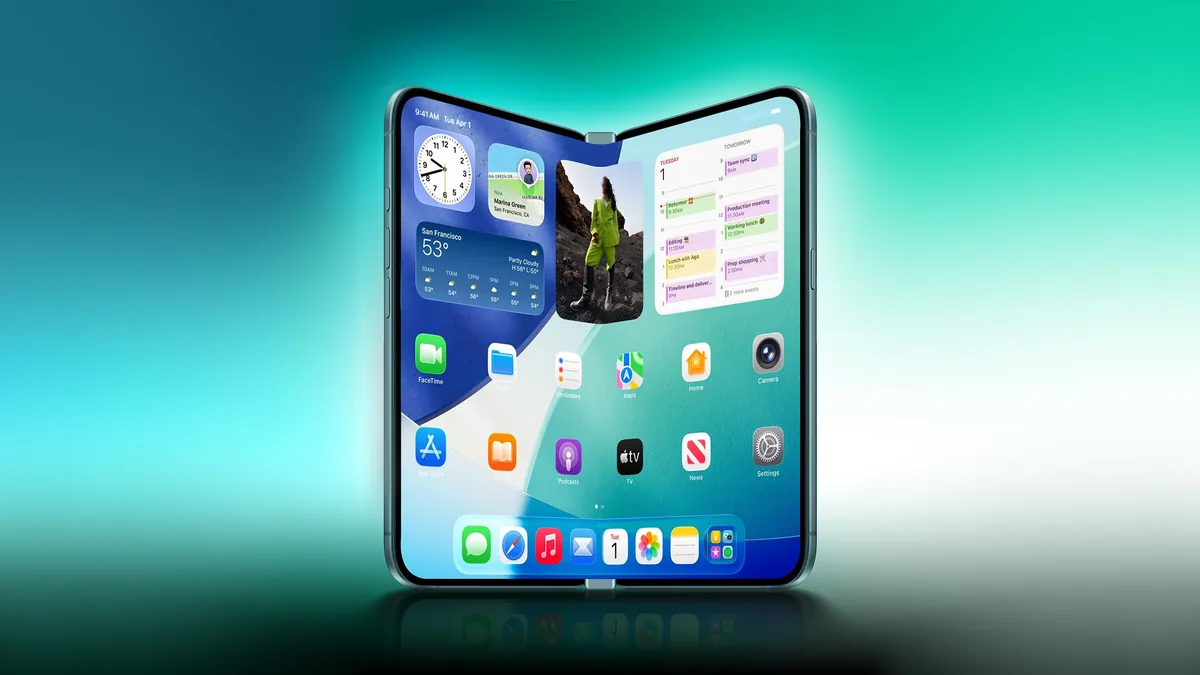
This also fits the broader iOS 27 theme we have been tracking in iOS 27 clues around foldable iPhone. Apple appears to be preparing software foundations for more flexible hardware and more self-contained device behavior. A phone that can diagnose and repair more of its own software problems is a stronger platform, especially as iPhones become more expensive and remain in use longer.
cnBeta reported the recovery-mode addition in Chinese-language coverage, comparing it to Mac-style recovery behavior. The details still need official confirmation in final iOS 27 documentation, but the direction is sensible. Apple has already been moving parts of setup, migration, and device management toward simpler on-device workflows.
For users, the best version would be clear and conservative. Recovery tools should explain what will be preserved, what may be erased, and when expert help is needed. A powerful repair mode hidden behind confusing warnings could scare ordinary users away. A guided process with plain language would make the feature far more valuable.
Repair shops and support teams may also benefit. If common software failures can be diagnosed or repaired without a computer connection, basic troubleshooting becomes faster. That does not replace professional repair for hardware faults, but it could reduce unnecessary appointments and help users recover from update issues more quickly.
The report is a reminder that mature phone platforms still have room to improve in boring but important ways. A self-contained recovery mode will not sell an iPhone by itself. It will matter on the bad day when a phone refuses to boot properly. That is when practical software engineering becomes more valuable than any keynote feature.
Apple will need to balance simplicity with safety. A recovery mode that is too limited will disappoint advanced users, but a mode that exposes too many options could create new mistakes. The best path is probably layered: plain repair steps first, deeper diagnostics behind clearer warnings, and strong backup reminders throughout. If Apple gets that flow right, the feature could reduce both support frustration and data-loss fear for ordinary users. It would also make the iPhone feel more independent as its own computing device, especially for people who travel without a laptop. That independence is overdue for a device this central.