If new iPhones become more expensive, the most immediate winner may not be another flagship brand. It may be the used and refurbished phone market. A Chinese-language report ties price pressure to rising costs and argues that second-hand or refurbished devices could become a smarter choice for many buyers. That is a realistic shift because modern iPhones remain useful for years when batteries, storage, and software support are handled well.
The timing is important. Apple has extended software support and kept older chips capable enough for normal use. That means a two-year-old iPhone can still feel fast, secure, and compatible with major apps. If new prices rise, the gap between a current model and a certified refurbished device becomes more meaningful, especially for buyers who do not need the newest camera or AI feature.
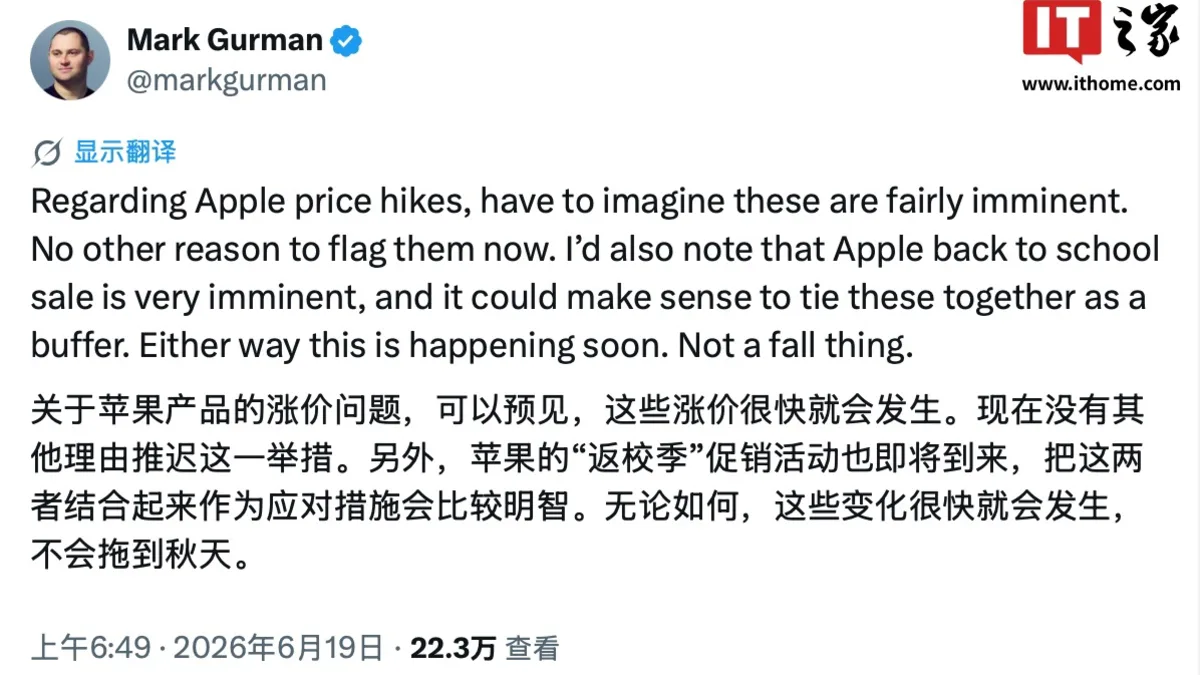
This follows the same pressure we covered in Apple price pressure report. Apple pricing is no longer only a launch-day conversation. Memory costs, AI hardware demand, currency movement, and premium component pricing all shape what consumers see at checkout. A higher new-device floor makes every alternative more attractive, including official refurbs, carrier trade-ins, and carefully verified used devices.
TechNews reported the price-hike warning in Chinese and framed used or refurbished phones as a practical response. That angle matters because it treats the phone market as an ecosystem rather than a simple new-model race. A more expensive flagship can push buyers toward older models without pushing them out of the Apple ecosystem.
For buyers, refurbished is not automatically equal to used. Warranty, battery health, replacement parts, return policy, and seller reputation matter. A cheap phone with a weak battery or unknown repair history can become expensive quickly. The best refurbished route is the one that gives clear grading, genuine parts information, and a real fallback if the device is not as described.
Apple may also benefit from a stronger refurbished market. Keeping users inside iOS, even on older hardware, supports services, accessories, and future upgrade paths. The company may prefer selling new premium devices, but a healthy secondary market can make the ecosystem feel more accessible during periods of rising prices.
The price warning does not mean everyone should avoid new iPhones. Some users need the latest camera, longer support window, or better battery life. But it does change the value calculation. If new prices climb again, the smartest iPhone purchase may be the one that balances support, condition, and cost rather than chasing the newest model by default.
The shift could also make battery replacement more attractive. If a current iPhone still runs well but struggles to last through the day, replacing the battery may be smarter than buying into a more expensive lineup. That is especially true for users who are happy with the camera and storage they already have. Rising prices make repair and refurbishment feel less like compromise and more like normal financial discipline. A healthy repair path can stretch the value of Apple hardware without forcing an early upgrade or a new financing plan.