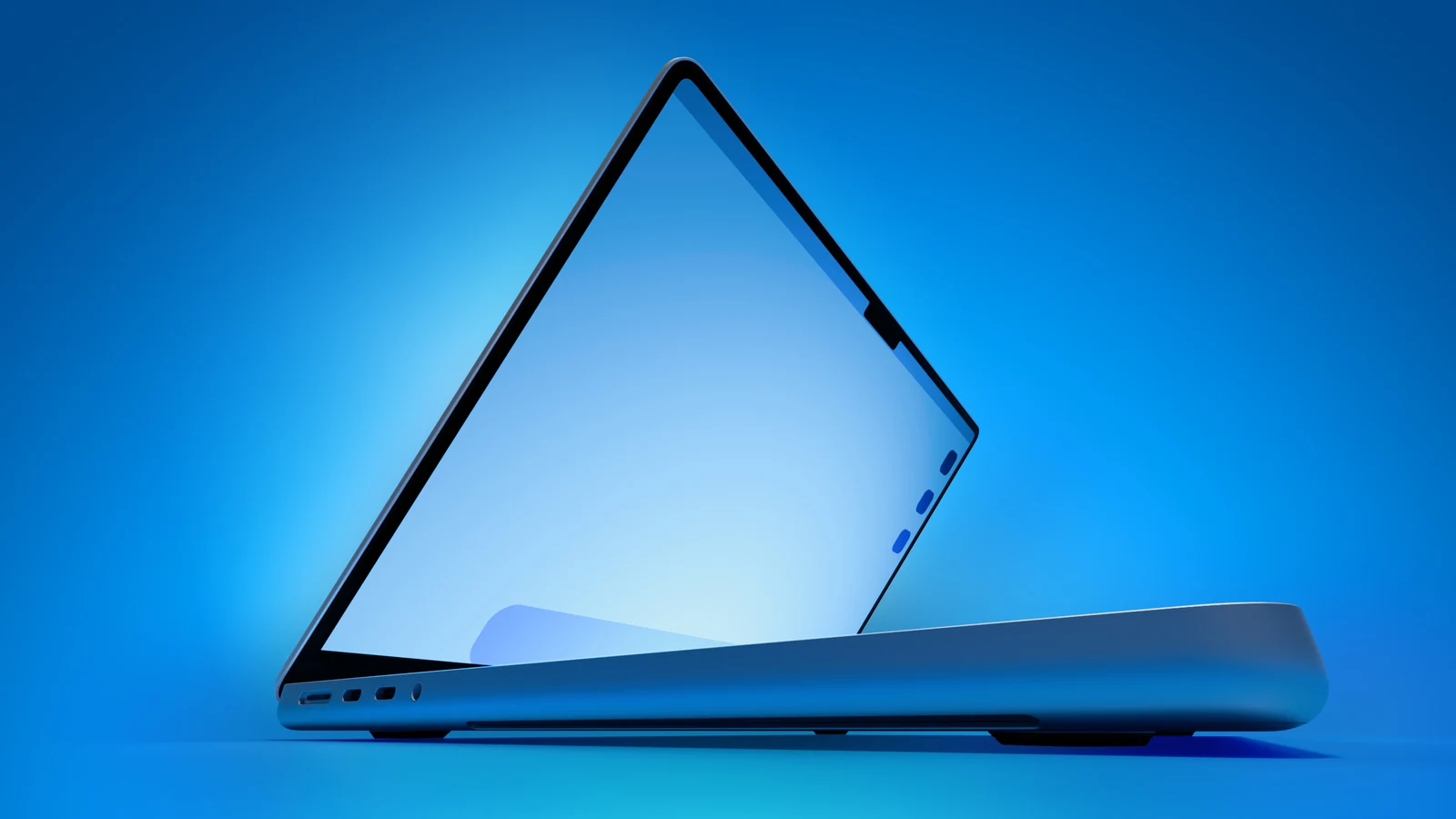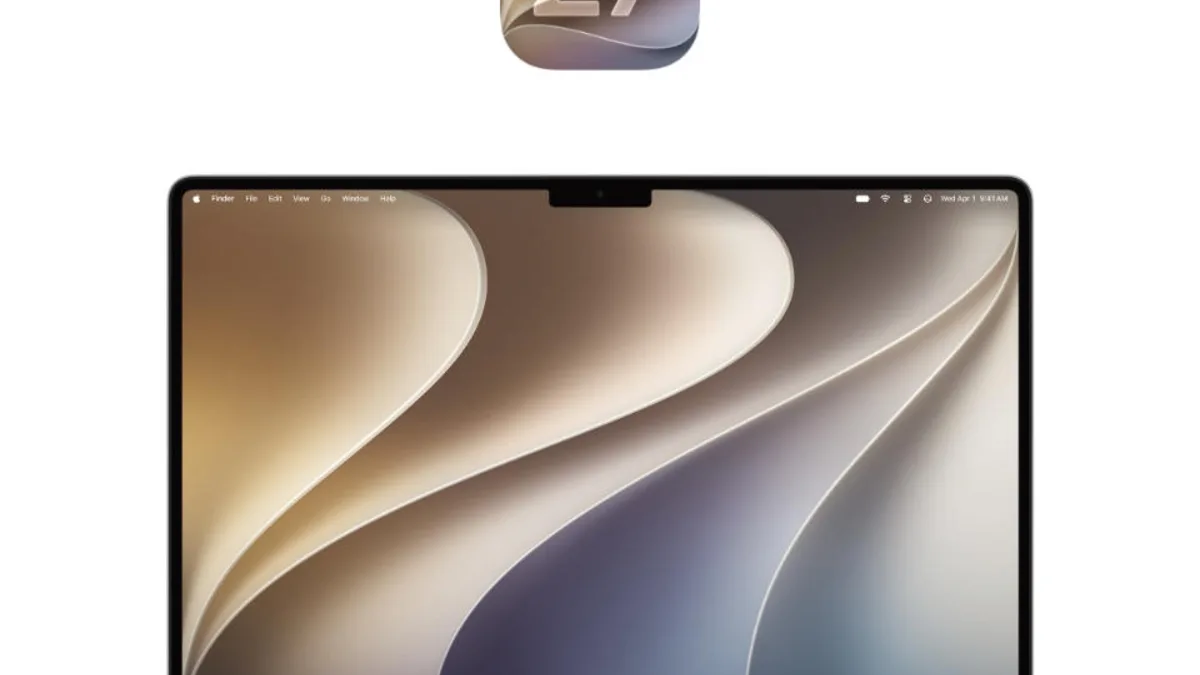
The first macOS 27 developer beta is a software release, but the strongest story around it is hardware. Apple is continuing to shape the Mac around Apple Silicon, with the Rosetta transition moving closer to its endpoint and iPhone mirroring becoming more flexible. That makes the beta important for Mac buyers because it shows which devices Apple expects to carry the next stage of its platform work.
Apple Silicon exclusivity is no longer surprising, but it is still meaningful. Every release that leaves Intel Macs further behind makes the hardware transition feel more complete. For developers and power users, the question is less whether Apple Silicon is the future and more how quickly older compatibility layers disappear. Rosetta has been a bridge, not a permanent foundation, and macOS 27 appears to continue that message.
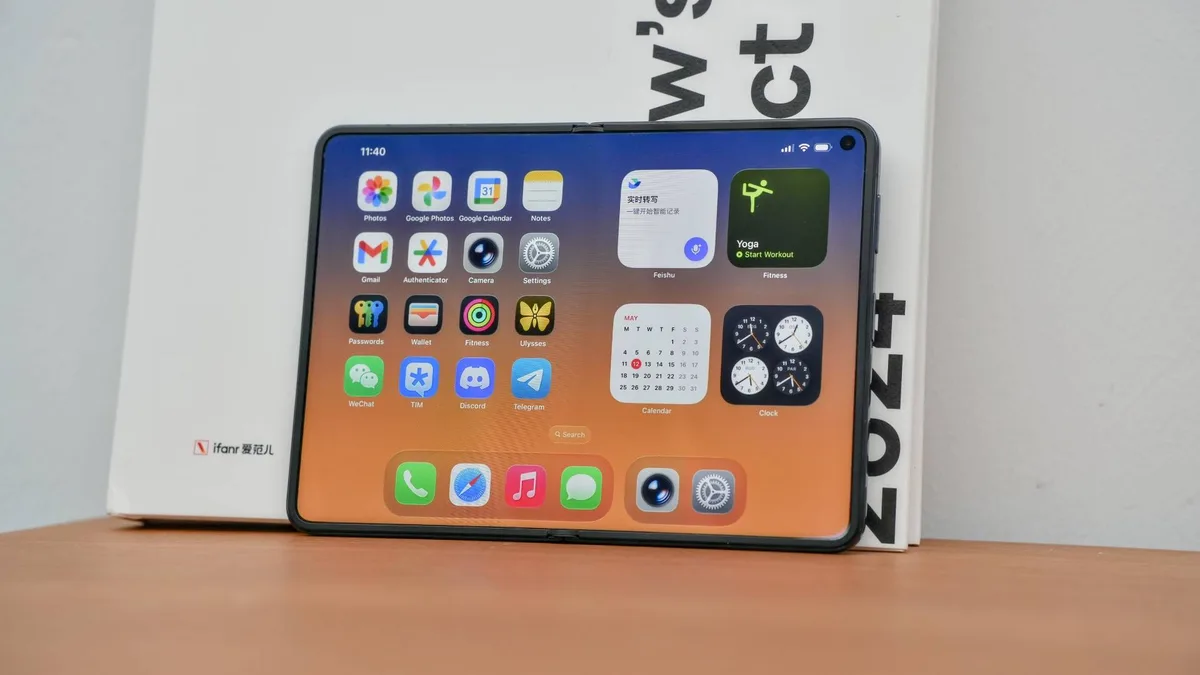
The iPhone mirroring changes may be more visible to everyday users. If Apple can make mirrored iPhone apps behave better across aspect ratios and Mac workflows, the Mac becomes a stronger hub for mobile tasks. That matters because people increasingly move between devices without thinking about which operating system owns a job. A message, app login, or phone-only notification should not always require picking up the iPhone.
少数派 walked through the first macOS 27 developer beta, highlighting Apple Silicon-only direction, the Rosetta sunset, Liquid Glass interface changes, iPhone mirroring aspect-ratio behavior, Sidecar touch references, and Siri-related changes in Spotlight. Those details make the beta feel like a platform bridge rather than a cosmetic refresh.
Sidecar touch references are worth watching because they sit near the long-running question of touch on Apple computers. Apple has resisted turning the Mac into a touchscreen-first device, but it continues to blur the surrounding ecosystem. iPad as a touch display, iPhone mirroring on Mac, and shared interface ideas all point to a future where input boundaries matter less, even if the MacBook itself remains keyboard and trackpad centered.
This overlaps with our earlier look at iPadOS 27 beta details improving tablet workflows. Apple is not only updating isolated operating systems. It is adjusting how iPhone, iPad, and Mac jobs move between screens. The success of that strategy depends heavily on hardware consistency, which is why Apple Silicon support is more than a compatibility note.
For Mac owners, the practical advice is to watch the support line. If a workflow depends on older Intel software, macOS 27 may be another reminder to plan the transition. If a workflow depends on iPhone apps, authentication, messaging, or cross-device continuity, the beta may bring useful improvements even without a dramatic new Mac feature. Apple's platform changes often arrive as small conveniences that become hard to give up later.
The macOS 27 beta does not need to reveal a new Mac to be a hardware story. It shows Apple's assumptions about the devices people will use next. Apple Silicon is the baseline, iPhone integration is deepening, and the old Intel bridge is becoming less central. That is the real message behind the developer beta: the Mac is being rebuilt around Apple's own chips and the phone in the user's pocket.