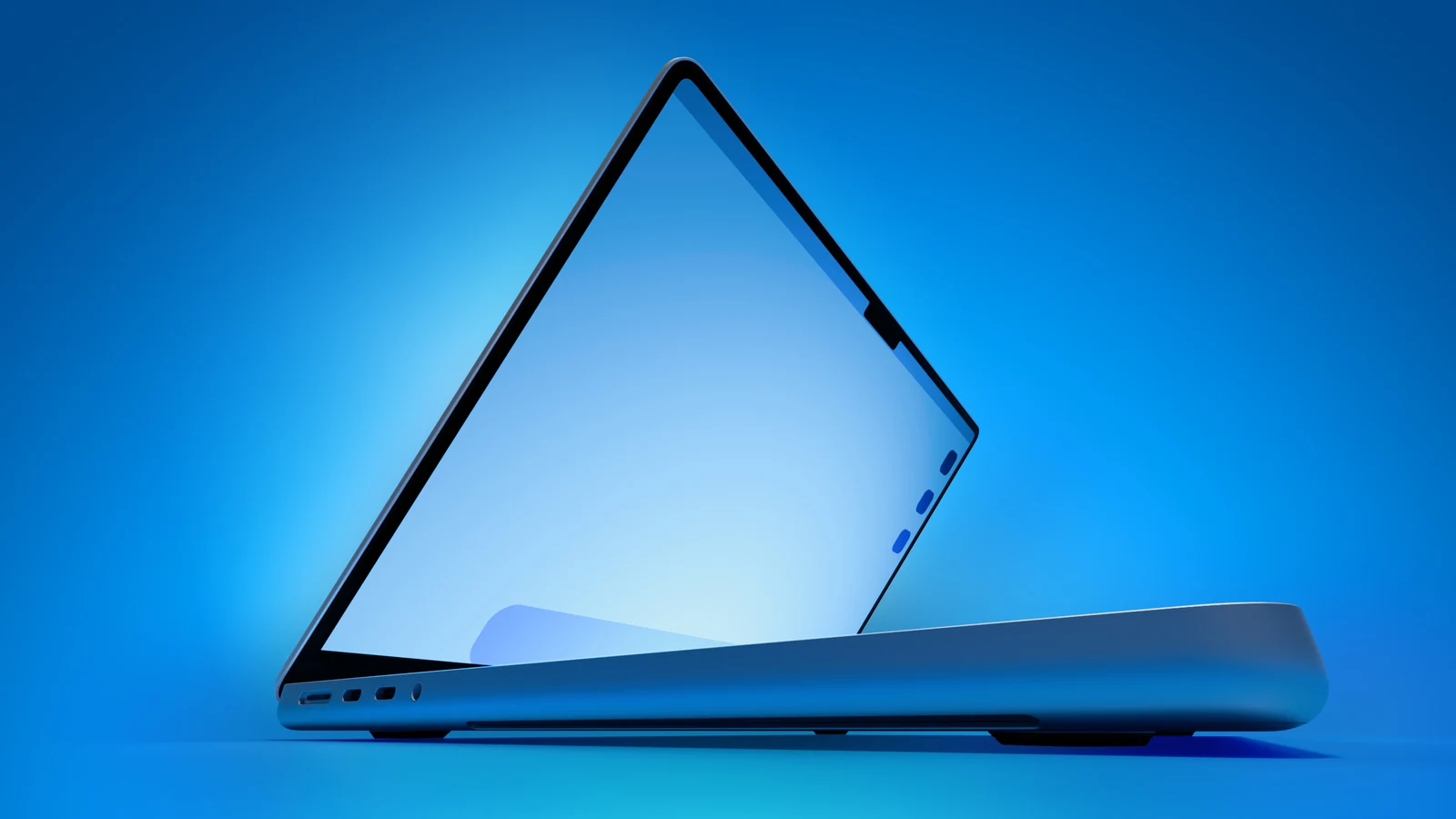
A touchscreen Mac rumor has existed for so long that it usually feels like background noise. The macOS 27 clues around a possible MacBook Ultra are different because they suggest Apple may be preparing the software side of a more direct input shift. Apple can redesign hardware quietly, but a touch-friendly Mac needs operating system behavior that makes sense before the device appears.
The rumored MacBook Ultra is expected to sit above the current MacBook Pro line if it ships as described. That alone would make it a major product move. Apple rarely creates a new top-tier laptop category without a clear reason. A touchscreen OLED display, thinner design, Dynamic Island-style interface element, and high-end M6 Pro or M6 Max chip options would give the device a distinct identity.
The more interesting part is macOS itself. If Apple is adding touch-related interaction hints, iPhone-like gestures, and more assistant-driven search behavior, it may be softening the old boundary between Mac and iPad. That does not mean macOS becomes iPadOS. It means Apple may finally be designing a Mac that can accept touch without pretending it is a tablet.
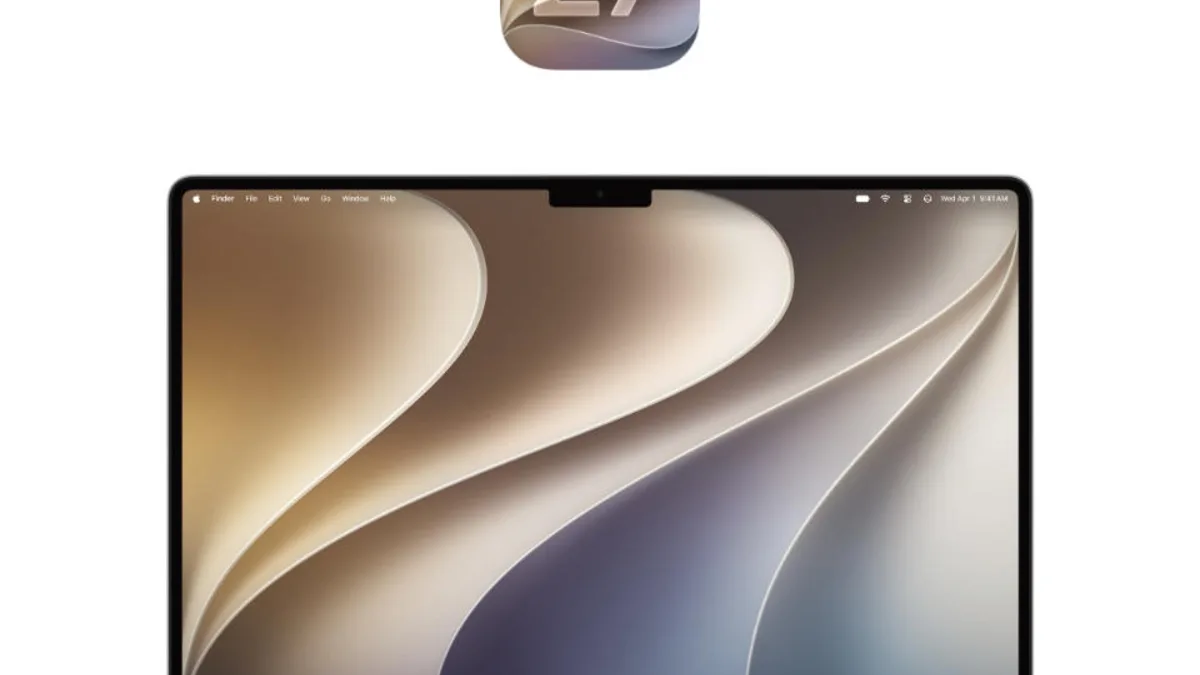
MacRumors reported that macOS 27 Golden Gate contains clues tied to the rumored MacBook Ultra, including direct touch input for Sidecar, iPhone-like pull-to-refresh behavior, and a Search or Ask Siri interface in Spotlight. The public beta is expected in July, with the full macOS launch in September.
Why Apple would move carefully
Apple has long argued that vertical touchscreens on laptops are not ideal. That argument is not entirely wrong. A poor touchscreen Mac would create awkward reaching, messy app targets, and confusion between laptop and tablet workflows. The challenge is to make touch optional and useful, not mandatory.
This connects to the broader local AI and device shift we covered in our Nvidia laptop chip analysis. Premium laptops are becoming more specialized around AI, display quality, battery life, and new interaction models. A MacBook Ultra would likely be Apple trying to define the next premium laptop tier before rivals do.
The rumored Dynamic Island idea is especially notable because it would bring an iPhone visual pattern to the Mac. That could be gimmicky if it only shows status bubbles, but useful if it becomes a home for live activity, assistant context, calls, media, device handoff, and system alerts. Apple would need to make it feel native to desktop work.
There is also a pricing question. A MacBook Ultra sounds expensive by name alone. If Apple puts OLED, touch, thinner hardware, and top-tier M-series chips into one machine, the device may be aimed at professionals, creators, and early adopters rather than normal laptop buyers.
The macOS 27 clues do not confirm the hardware, but they make the rumor harder to dismiss. Apple may be preparing a Mac that changes interaction slowly instead of dramatically. If that is the plan, the software hints are the first part worth watching.
Developers will be watching closely too. If Apple introduces touch-capable Mac hardware, app makers need guidance on hit targets, gestures, hover states, menu behavior, and when touch should complement the trackpad instead of replacing it. The strongest version of a touchscreen Mac would not force every Mac app to become an iPad app. It would give developers a controlled way to add touch where it actually helps.