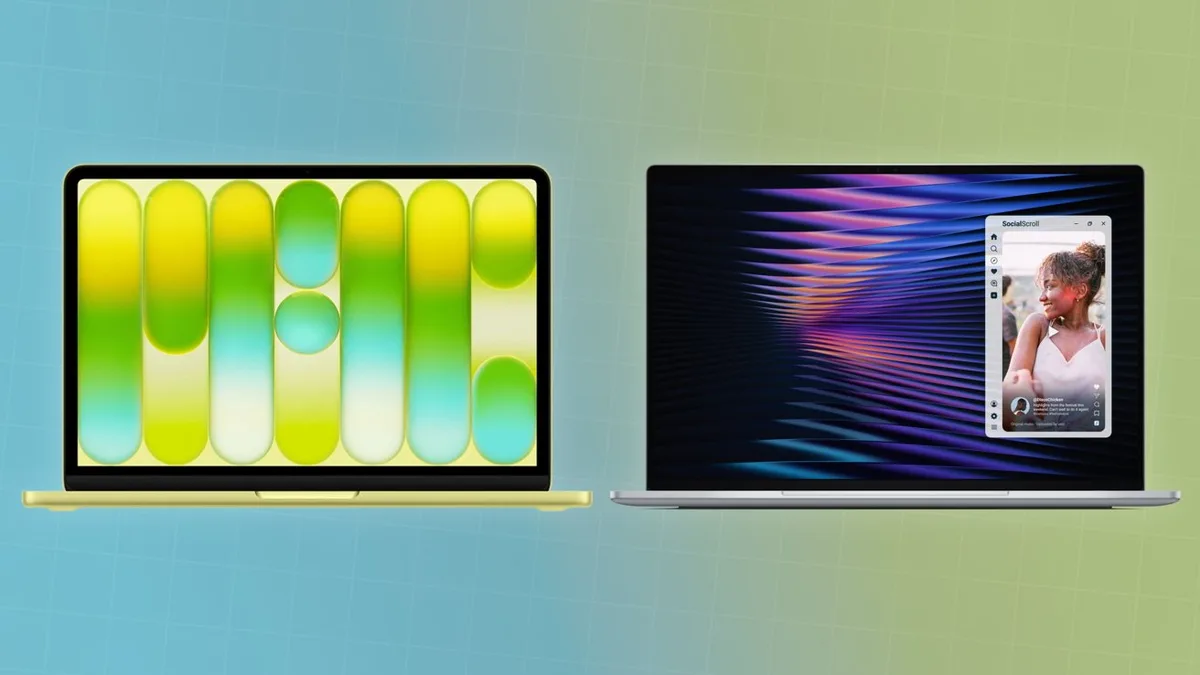
The $599 laptop space is becoming more interesting because it is no longer only about what manufacturers remove. Apple and Dell are now pushing recognizable names into a price class that used to be filled with forgettable plastic shells, weak displays, and short support windows. A MacBook Neo versus Dell XPS 13 comparison matters because both brands are trying to make entry-level computing feel intentional rather than apologetic.
That shift is important for students, home users, and small teams that want a real machine without drifting into premium pricing. Budget laptops have always sold in volume, but they often carried a hidden cost in poor keyboards, dim panels, weak speakers, or upgrade anxiety. When stronger brands compete at the same price point, the tradeoffs become more visible. Buyers can ask whether they want macOS efficiency, Windows flexibility, repair options, port choices, or a lighter frame.
AppleInsider framed the comparison around the two entry models, which is the right way to look at this fight. The headline price is only useful if the base configuration is actually livable. Storage, memory, display quality, and included ports can change the value equation quickly.
This also connects with our coverage of Apple's laptop direction, including the MacBook Air M5 outlook. Apple has been building a wide ladder of portable Macs, but the lower end is where the company can win new users or lose them to Windows machines that appear more flexible. Dell, meanwhile, benefits from the XPS name still carrying premium recognition.
The most interesting part is that both machines represent different ideas of simplicity. A MacBook Neo can sell the appeal of long battery life, strong standby behavior, and a controlled software environment. The XPS 13 can lean on Windows compatibility, enterprise familiarity, and a broader accessory world. Neither argument is automatically better. The right answer depends on whether the buyer values predictable ownership or wider platform freedom.
The broader takeaway is that low-cost laptops are becoming strategic again. AI tools, browser-based work, and remote learning have made the everyday notebook more important, not less. If Apple and Dell keep pushing quality into the entry tier, the biggest winners will be buyers who used to choose between price and polish. The budget laptop is starting to look less like a compromise and more like a serious first computer.
The service and upgrade story may become the hidden decider. Apple can offer strong resale value and a predictable support window, but buyers are locked into the configuration they choose at checkout. Dell can appeal to users who want Windows software, business deployment, and possibly easier parts access depending on configuration. At $599, a small mistake in memory or storage can shorten the life of the machine, so the base model must be judged carefully. This is where the budget-laptop fight becomes more serious than a spec comparison. A cheap laptop that lasts four or five years is a different product from one that feels cramped after the first semester. Apple and Dell are not just selling low prices here; they are competing to define what entry-level quality should mean.