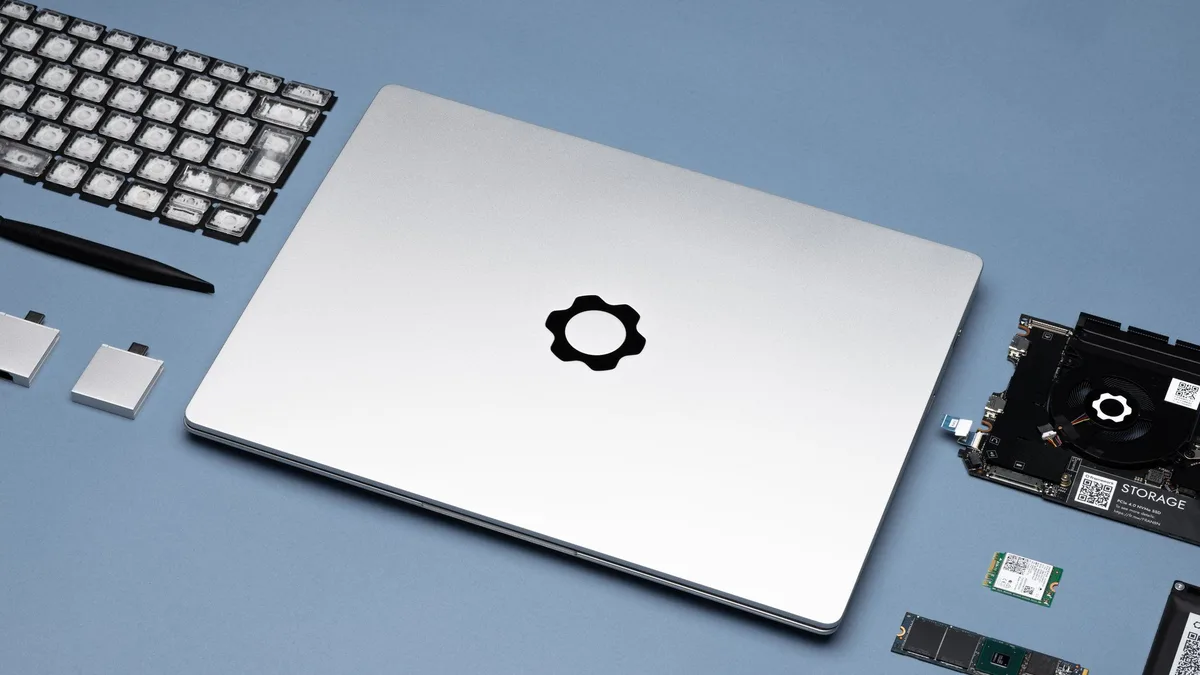
Framework cutting laptop prices while warning about component pressure creates an awkward contrast for the rest of the PC industry. Apple has been under scrutiny for price increases tied partly to memory costs, while Framework is trying to use modularity and transparency as a different kind of brand message. The result is not simply cheaper laptops. It is a debate over how hardware companies explain cost changes.
Framework's advantage is that its audience already cares about parts. A buyer who understands replaceable mainboards, memory, storage, ports, and repair guides is more likely to accept a detailed explanation of pricing. That does not make the company immune to supply-chain pressure, but it gives it a clearer language than a vague statement about market conditions.
The jab at Apple matters because memory and storage pricing have become emotional topics for buyers. People notice when entry-level configurations feel tight and upgrades cost far more than component prices suggest. A company that promises repairability and modular upgrades can turn that frustration into a selling point, even if its own prices are still affected by the same market.
Windows Central reports that Framework's laptop price decrease arrived with a jab at Apple and a warning about future pressure. That combination makes the move more than a discount. It is a statement about how laptop makers handle volatility.
The memory-cost theme connects with our coverage of local AI laptops and their cloud problem. As AI features push memory needs higher, the base configuration debate will get harder. A laptop sold as AI-ready cannot feel cramped after a year.
Framework still has to prove it can scale beyond enthusiasts. Repairable laptops are attractive, but mainstream buyers also want availability, support, battery life, and polish. Even so, the price cut is well timed. It reminds the market that hardware pricing is not only a supply-chain story. It is also a trust story, and buyers increasingly reward companies that explain the bill.
Repairability also changes the psychology of price. A buyer may accept a higher upfront cost if the machine can be upgraded instead of replaced. A price cut makes that argument stronger because it reduces the entry penalty while preserving the long-term ownership story.
The warning about future costs is still important. Memory shortages and AI infrastructure demand can raise prices across the industry, including for companies that want to be consumer-friendly. Framework's honesty will only matter if it continues to explain changes with the same clarity when prices move in the wrong direction.
For the broader laptop market, the lesson is that buyers are tired of sealed boxes with expensive upgrades. Apple will remain powerful because its silicon and ecosystem are strong, but Framework shows a different pressure point. Transparency, repair, and modularity are becoming competitive features, not just enthusiast values.
The move may also influence how reviewers discuss value. A benchmark chart cannot capture the benefit of replacing a port, upgrading memory later, or repairing a damaged part without discarding the whole laptop. Framework's pricing gives critics and buyers a reason to include ownership flexibility in the comparison, not only launch-day performance.