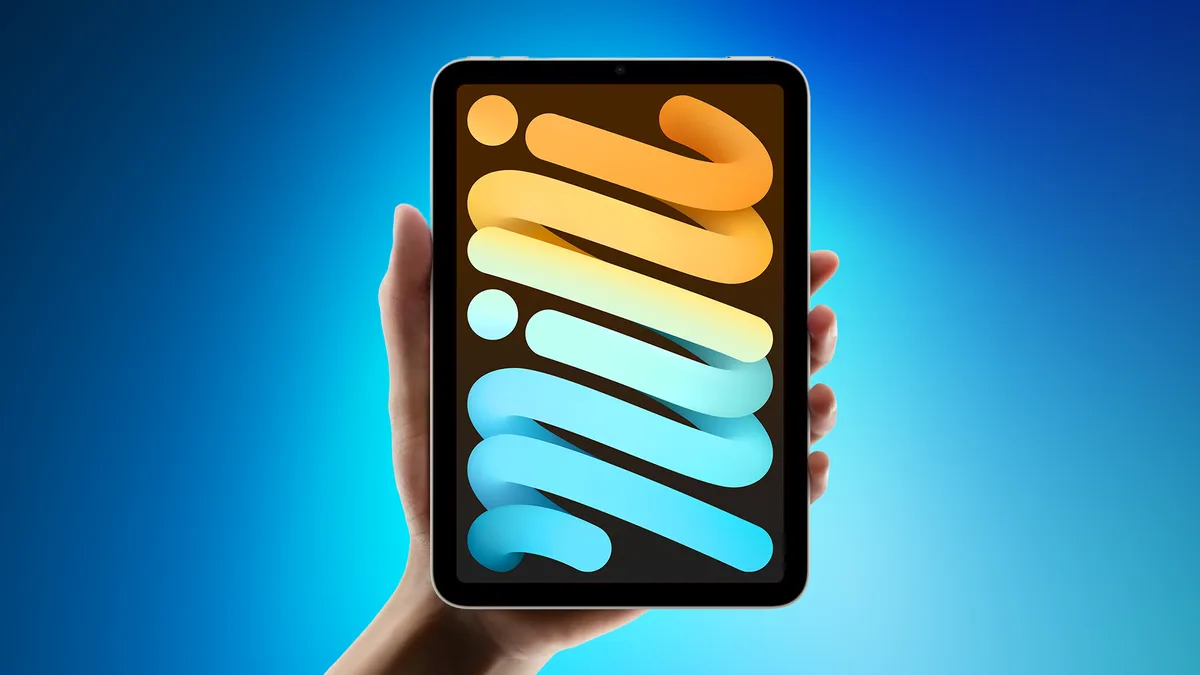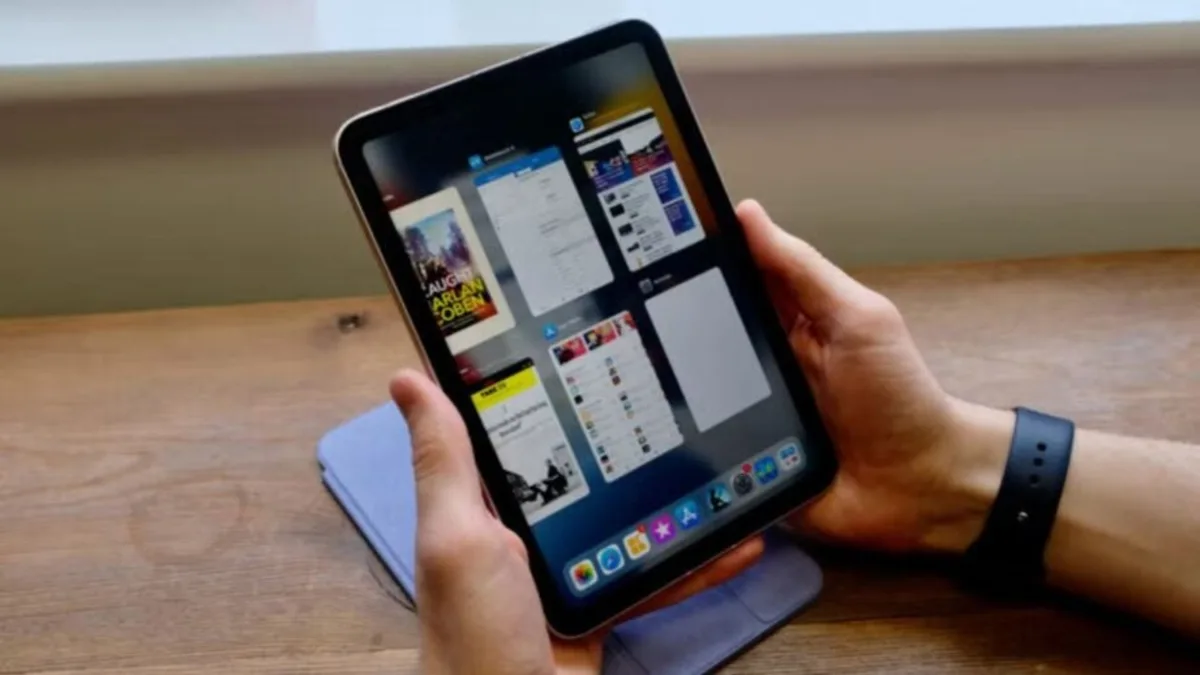
The iPad mini has always been one of Apple's most interesting devices because it sits between categories without trying to replace either one. It is not as pocketable as an iPhone and not as work-focused as an iPad Pro. Its appeal is different: reading, note-taking, travel, gaming, pilots' charts, bedside browsing, and one-handed tablet use that still feels comfortable.
That is why an OLED report matters. The small tablet does not need a dramatic redesign to feel refreshed. A better display could make the whole product feel more modern, especially for reading, video, photo viewing, and games. OLED would also help Apple position the mini as a premium compact device rather than a neglected side member of the iPad family.
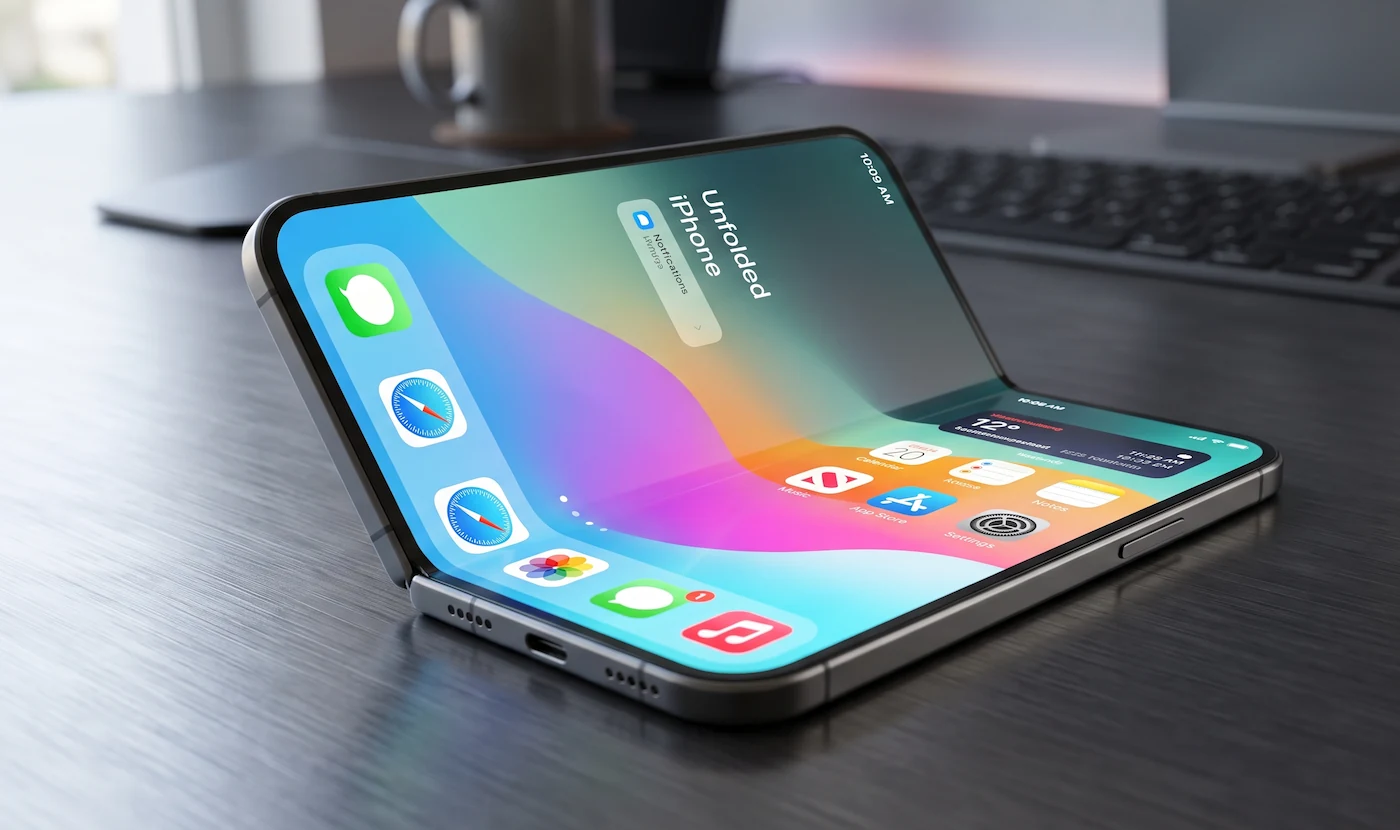
The timing is important because compact tablets have quietly become interesting again. Android brands are experimenting with smaller OLED tablets, handheld gaming has made portable screens feel valuable, and foldables have reminded people that not every useful display has to be laptop-sized. Apple has an opening if it treats the mini seriously.
Trusted Reviews reports that the hyped OLED iPad mini is getting closer to reality. The word closer is doing a lot of work, but it suggests the rumor has moved beyond vague wish-list territory.
We recently covered a similar compact-tablet revival in our look at the OLED iPad mini leak. The core point remains that Apple does not need to turn the mini into a laptop replacement. It needs to make the device feel intentionally premium at its own size.
The main risk is price. OLED panels, storage upgrades, and Apple Pencil support can push a small tablet into uncomfortable territory if Apple is not careful. But a strong display upgrade would make sense for the mini's role. It is a device people hold close, stare at for long sessions, and use in places where a larger tablet feels clumsy. Better screen quality would be noticed every day.
A better mini could also help Apple defend against foldables. Many people like the idea of a larger pocketable screen but do not want a folding phone's price or durability questions. A premium small tablet is a different answer: keep the phone normal, and carry a light second screen when the task deserves it.
The Apple Pencil story matters here. Students, doctors, pilots, field workers, and note-takers value the mini because it can be held in one hand while the other writes. OLED would improve the visual experience, but latency, pencil feel, and app responsiveness will decide whether the upgrade feels professional.
Apple should be careful not to overcomplicate the product. The mini's charm is that it is small, fast, and direct. Give it a better display, enough storage, modern silicon, and strong battery life, and the device has a clear identity. Turn it into a tiny iPad Pro with a painful price, and the audience narrows quickly.
The education market could be another quiet beneficiary. A lighter OLED mini with Pencil support would make sense for reading assignments, annotation, language learning, and field notes. Schools and parents may still prefer cheaper iPads, but a stronger mini would give Apple a premium compact option that does not require students to carry a larger tablet everywhere.