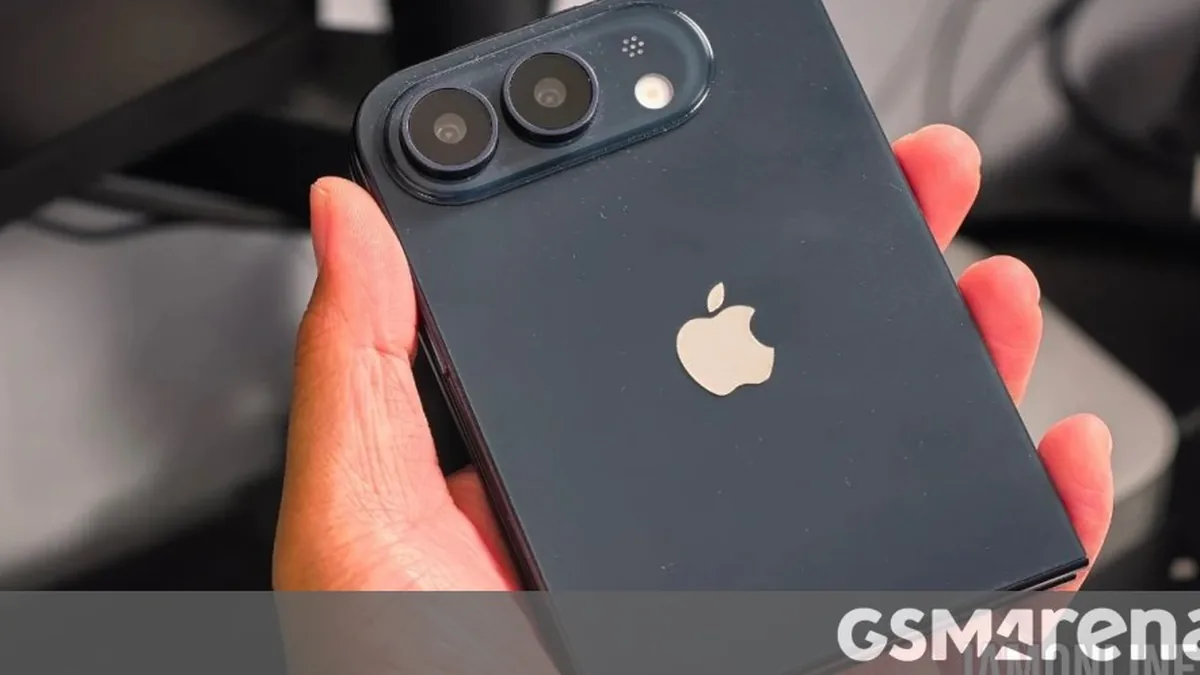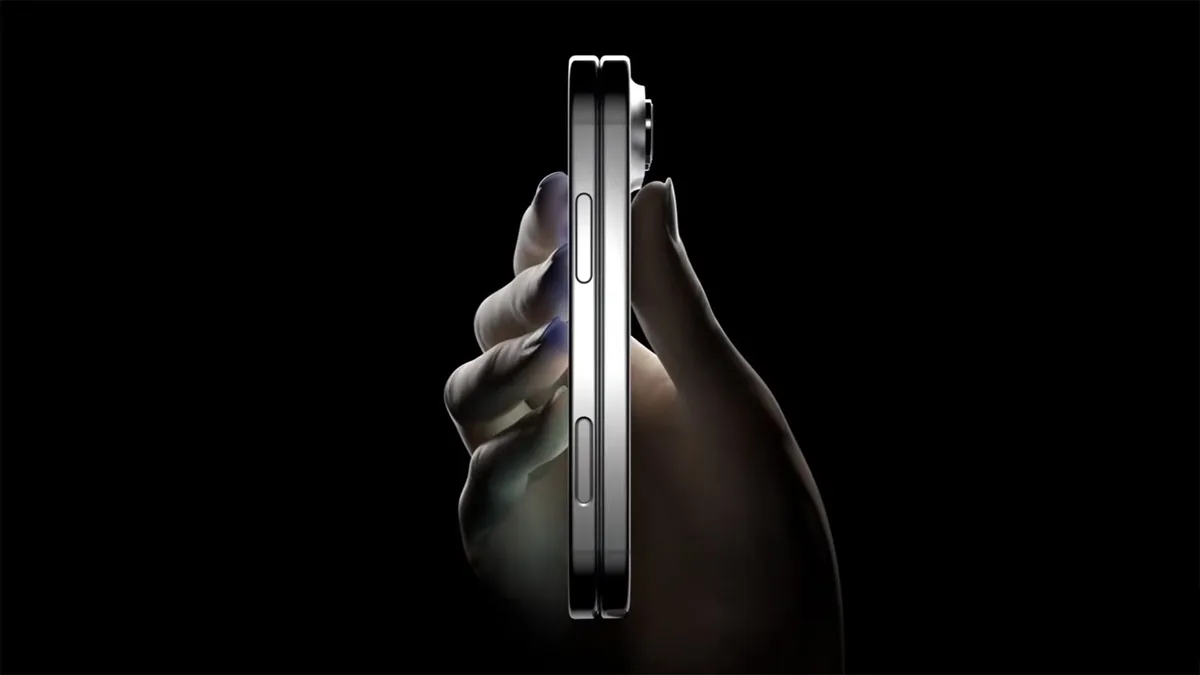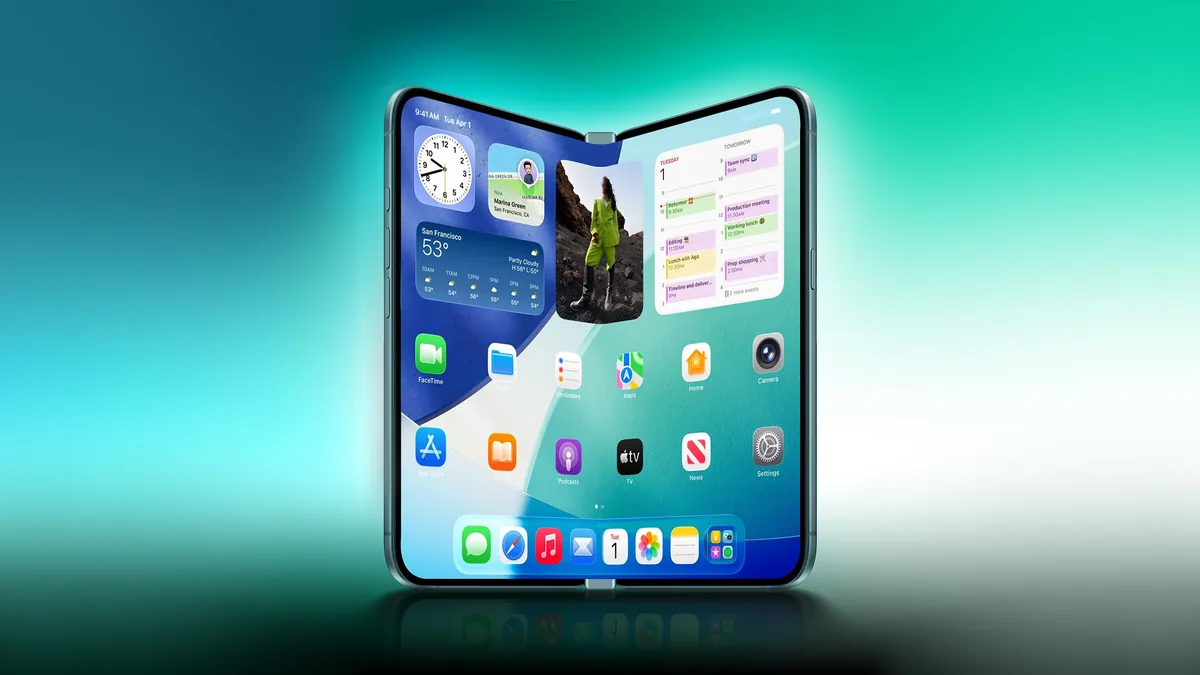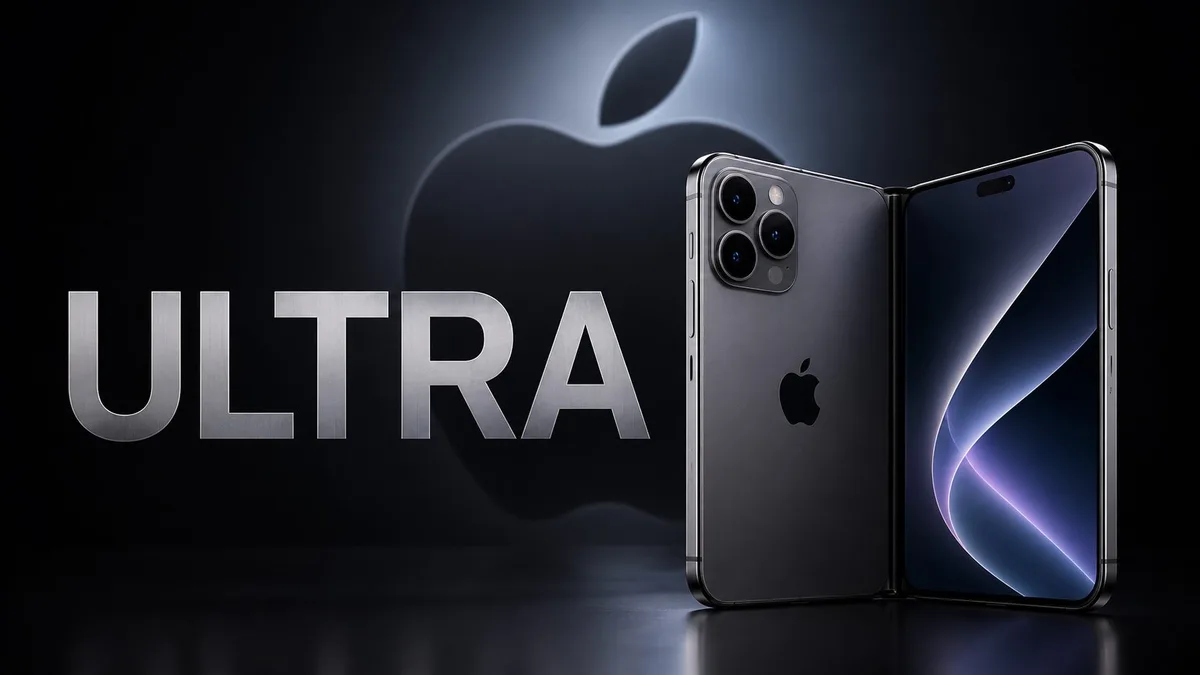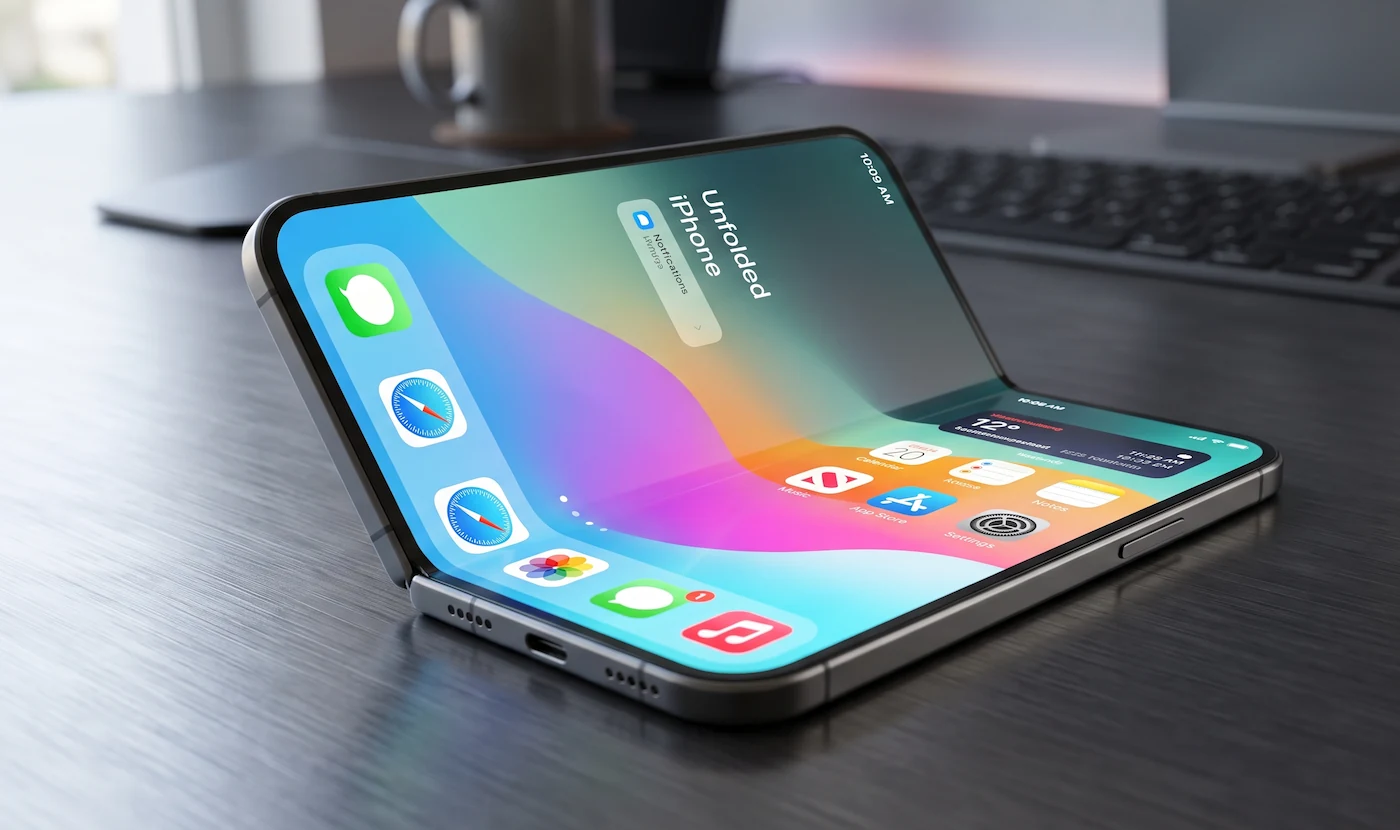
Apple's rumored iPhone Ultra is starting to sound less like a distant experiment and more like a product planning problem with real pricing pressure. The latest report puts release timing and expected pricing back into focus, which matters because foldable phones are no longer judged only by hinge novelty. Buyers now compare camera systems, battery life, software polish, and long-term repair confidence before accepting a premium price.
That is the difficult space Apple would enter. Samsung, Honor, Oppo, vivo, and Huawei have spent years teaching the market what a foldable can do, while also exposing the category's weak points. Creases, weight, accessory support, battery endurance, app layouts, and repair costs are familiar complaints. Apple cannot arrive with a first-generation feel and still expect an unlimited luxury premium.
The timing detail also matters. A later release would give Apple more room to refine display durability and iOS behavior, but it would also let Android foldables keep improving in public. A faster launch would keep Apple inside the conversation, yet it raises the risk that the company ships a product before the software story is strong enough to justify the name Ultra.
A fresh report from 9to5Mac says the newest iPhone Ultra details include updated pricing and release-timing expectations. The source framing is important because the rumored device is not just another iPhone size. It would be Apple asking its most loyal buyers to accept a new form factor at a price likely above today's Pro Max ceiling.
The bigger question is whether Apple can make the foldable feel less like a small tablet and more like a natural extension of the iPhone. Our earlier look at the foldable iPhone Ultra launch window argued that the product will need a software reason to exist, not only a flexible screen. That is still the right test.
If Apple does move forward, the pricing will reveal how confident it is in the first generation. A very high price would signal a low-volume halo device aimed at early adopters. A more aggressive price would suggest Apple wants to reshape the premium phone market quickly. Either way, the leak keeps the foldable iPhone conversation grounded in a practical issue: people may want a new shape, but they still need a clear reason to pay for it.
A foldable iPhone would also pressure Apple's accessory ecosystem. Cases, screen protectors, MagSafe stands, car mounts, repair tools, AppleCare pricing, and trade-in values would all need new assumptions. Those details are rarely glamorous during rumor season, but they decide whether a new form factor feels normal after the first month.
Developers would face their own test. A larger inner display can make apps richer, but only if layouts are updated thoughtfully. If most apps simply stretch, the device becomes expensive hardware waiting for software to catch up. Apple's advantage is that it can push design guidance across the ecosystem, but that still takes time.
For buyers, the practical advice is patience. The first foldable iPhone may be the most exciting iPhone in years, yet first-generation Apple products often reward people who understand the tradeoffs. Price, durability, and repair policy will matter as much as the launch video. The rumor is worth watching because it is finally about those real-world details.
The wider market signal is that foldables are leaving the experimental corner. When Apple pricing rumors become this specific, suppliers, accessory makers, app teams, and rival brands start planning around the possibility. That does not make the product certain, but it changes behavior. Every Android foldable launch now has to assume Apple may soon define the premium comparison point.