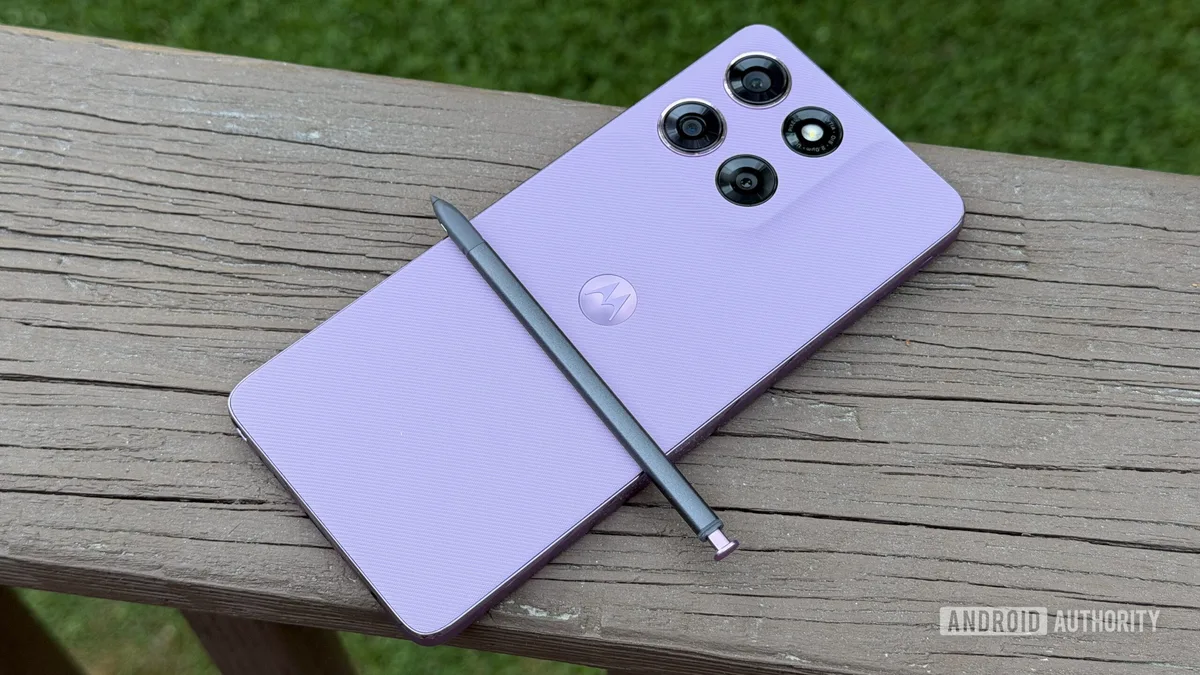
The Moto G Stylus 2026 is a reminder that smartphone progress does not always move in the direction enthusiasts expect. Premium phones chase thinner bezels, AI camera tricks, brighter panels, and complex materials, but many people still care about simple features that make the device easier to live with. A built-in stylus, sensible ergonomics, useful ports, and dependable basics can matter more than another spec-sheet flourish.
Motorola has often understood this better than larger Android rivals. The Moto G line is not built to win every benchmark, but it survives by giving users a practical reason to buy. The stylus is the clearest example. It is not only for artists or note-heavy professionals. It can help with quick lists, signatures, photo markup, screenshots, and small edits where a finger feels clumsy. In a market full of similar slabs, that physical tool gives the phone an identity.
Android Authority argued that the best thing about the Moto G Stylus 2026 is its willingness to keep features Google and Samsung often avoid. That point lands because the Android market has become strangely uniform at the top, even as lower-priced phones experiment with batteries, accessories, and old-school usability.
We have seen a similar pattern in our coverage of big-battery Honor phones. Buyers respond when a device solves a visible problem. Battery anxiety, missing input options, fragile bodies, and rising prices are all real frustrations. A phone does not need to be futuristic to feel refreshing. Sometimes it only needs to keep the thing users thought the industry had forgotten.
The stylus also matters because phone screens keep getting larger. A big display should be useful for more than scrolling. If a mid-range phone gives users a precise input tool, it turns size into function. That is especially valuable for students, field workers, small-business owners, and anyone who treats a phone as a pocket notebook. These are not niche users; they are exactly the buyers who need affordable devices to do more.
The Moto G Stylus 2026 will not reset the flagship race, and it does not need to. Its value is in showing that practical design still has room in the smartphone market. As brands chase AI and foldables, Motorola's stylus phone is a useful counterweight: the best feature is sometimes the one that is already understood, already useful, and still there when the user needs it.
Motorola's advantage is that it can make these practical features feel normal instead of nostalgic. A stylus does not have to be marketed as a throwback, and a headphone jack or expandable storage does not have to be treated as a budget apology. These features survive because they reduce friction. People still sign delivery forms, mark up screenshots, plug into older cars, and move files without wanting cloud storage involved. The mid-range market is full of buyers who care less about being impressed and more about being served. The Moto G Stylus 2026 works as a reminder that a phone can be modern while keeping familiar tools. In a category obsessed with removing things for elegance, Motorola's restraint may be the more user-friendly design choice.