Old phones are usually treated as trade-in material, drawer clutter, or e-waste waiting to happen. A Google and UC San Diego research project suggests they may deserve a more interesting second life. By turning retired Pixel phones into a low-cost compute cluster, researchers are asking whether mobile hardware can remain useful long after it stops being someone's daily device.
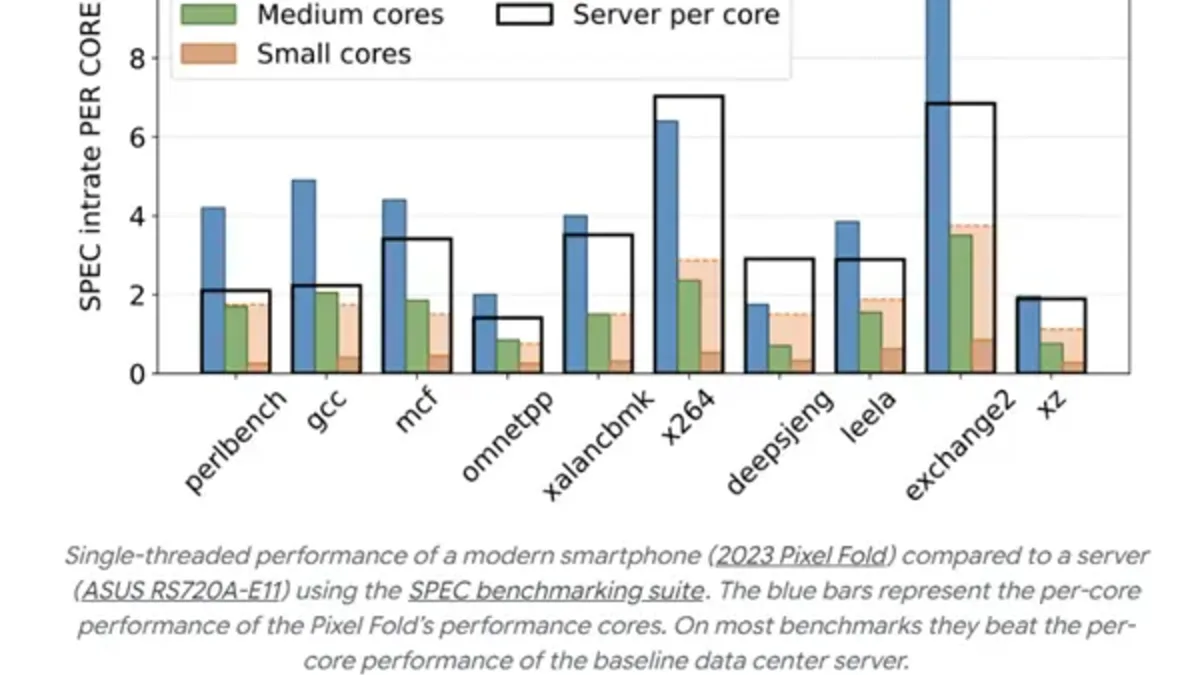
The idea is surprisingly practical. Modern phone chips are efficient, widely available, and already built for compact thermal envelopes. A single retired phone is not a server. A cluster of stripped-down phone boards can become something more useful, especially for workloads where power efficiency and low cost matter more than raw top-end performance. That makes the project relevant to sustainability and edge computing at the same time.
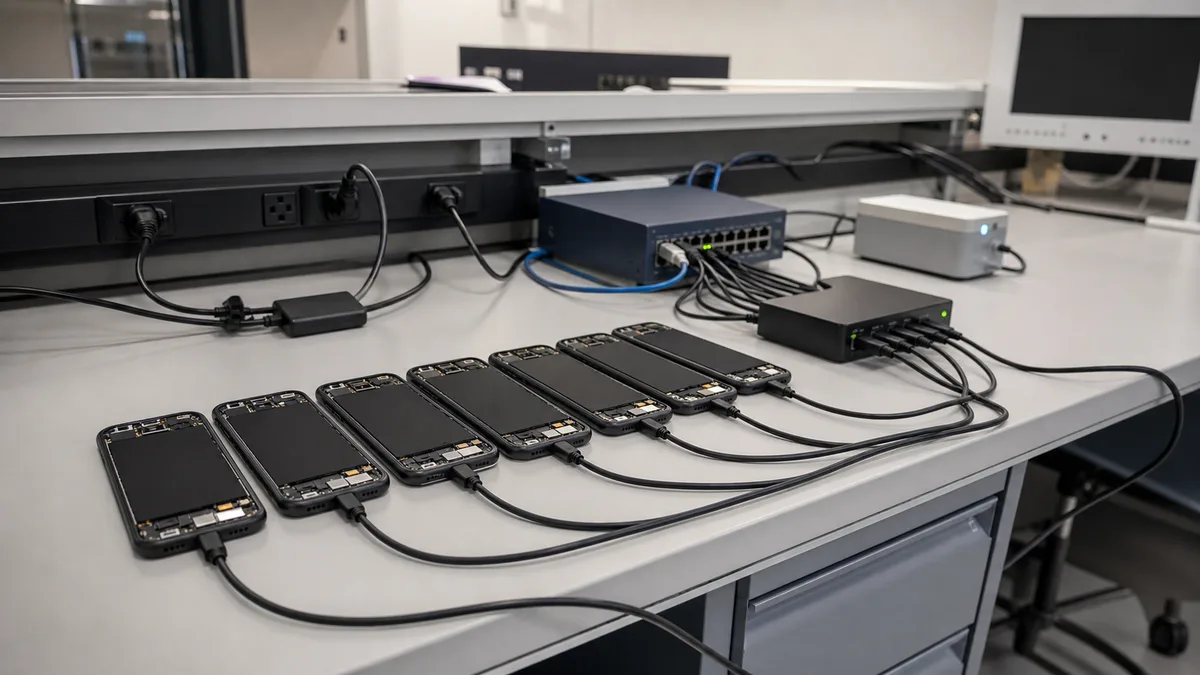
cnBeta reported that Google and UCSD removed unnecessary components such as screens, batteries, cameras, speakers, and shells from older Pixel phones, kept the SoC boards, replaced Android with Linux, and used orchestration tools such as Kubernetes. The report says 25 to 50 old phones could compete with a dual-socket server CPU in some scenarios.
That comparison should be read carefully. A phone cluster will not replace high-end GPUs for frontier AI training, and it will not behave like a conventional rack server. The real lesson is that compute value is not binary. Hardware can be too old for premium consumer use and still efficient enough for experimentation, lightweight inference, distributed services, or education.
The topic lines up with our earlier look at how Nvidia laptop chip bets show local AI still has a cloud problem. Everyone wants more compute, but not every job needs the most expensive accelerator. Repurposed phones point toward a more layered future where old mobile chips handle smaller tasks near the edge.
The environmental angle may be the strongest part. Smartphone replacement cycles create enormous waste. If companies can collect, strip, and redeploy phone boards safely, they can extend the useful life of complex hardware. That does not solve recycling by itself, but it reduces the pressure to throw away devices whose processors are still capable.
There are obvious barriers. Managing hundreds of phone boards is awkward. Power delivery, cooling, software updates, networking, and physical maintenance all become real engineering problems. The project works best if it leads to standardized reuse designs rather than one-off lab experiments. Without that, the idea may remain clever but hard to scale.
Still, the research changes how we should think about old smartphones. They are not just tiny computers in a poetic sense. They are literally compute boards with efficient silicon, memory, wireless capability, and years of engineering behind them. The next sustainability win may come from finding useful jobs for devices that consumers have already outgrown.
The project may also influence how companies think about device retirement programs. A trade-in phone is usually valued by resale price or recycled material. Compute reuse adds another category: operational value. If a fleet of old phones can serve a school, lab, edge site, or developer testbed, the business case changes. The phone does not have to be pretty, pocketable, or camera-ready to keep being useful.