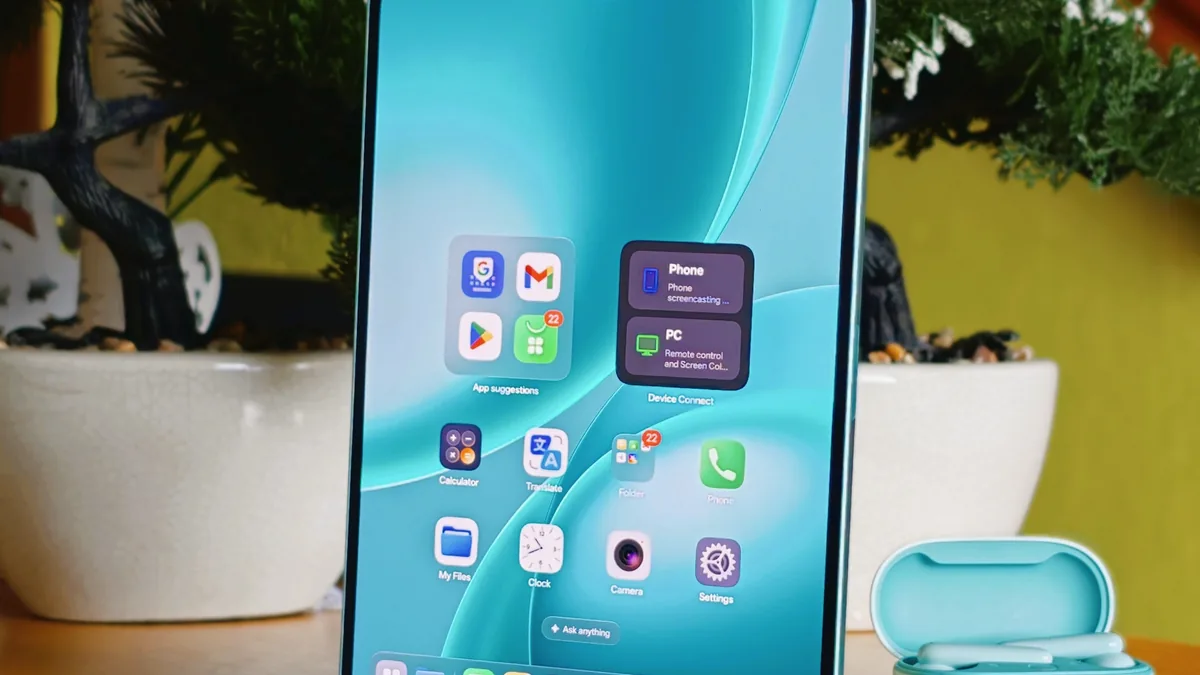
Small tablets are easy to underestimate until one gets the balance right. The Oppo Pad Mini review makes the compact OLED tablet category feel interesting again because it points to a device that is light, premium, and more focused than the oversized media slabs that dominate many store shelves. A smaller tablet has to justify itself through comfort, not just screen area, and that is where OLED can make a real difference.
OLED matters on a compact tablet because it turns casual use into the main event. Reading, streaming, browsing, note-taking, and handheld gaming all benefit from deep contrast and strong viewing angles. On a small tablet, the screen is close to the user's face, often held for long sessions. A mediocre panel can make the whole product feel cheap, while a great display can make modest hardware feel far more polished.
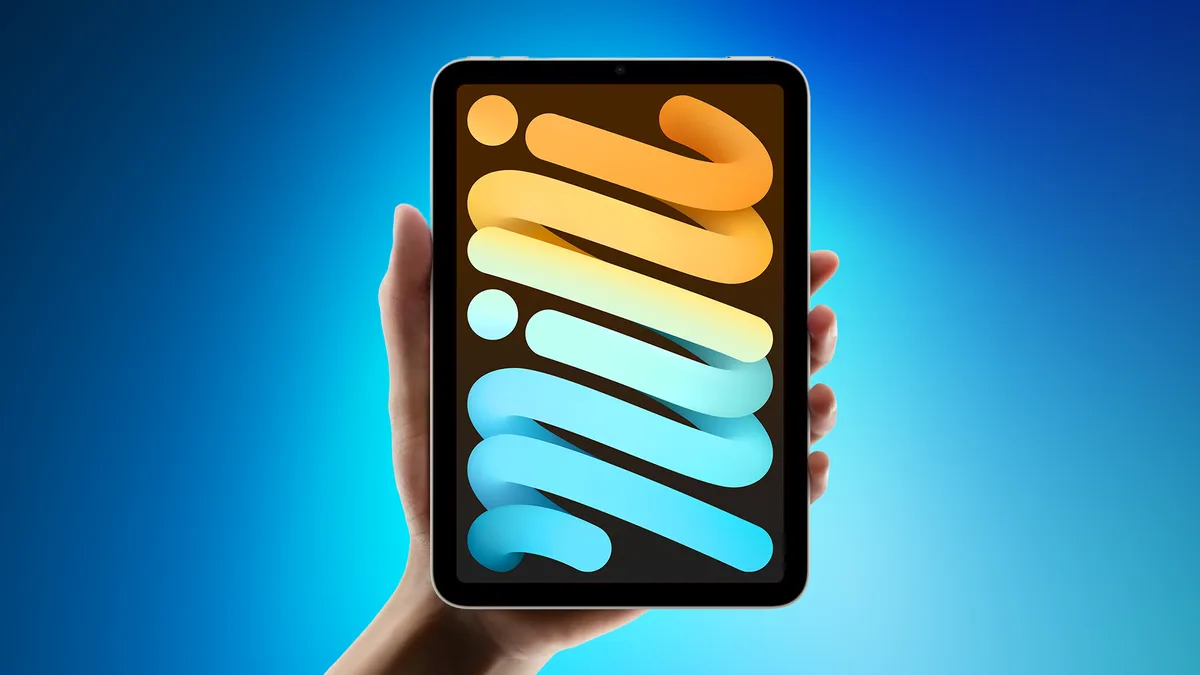
The Oppo Pad Mini also belongs to a wider tablet comeback that is not only about iPads. Android tablets are slowly becoming more credible because brands are improving displays, speakers, battery life, and multitasking software. Our Lenovo Idea Tab Plus review showed the budget side of that shift. Oppo's compact OLED approach sits in a different lane, but it supports the same idea: tablets are becoming more specific, not just bigger phones.
Notebookcheck reviewed the Oppo Pad Mini and described it as an ultra-light OLED tablet ahead of much of the competition. That kind of praise is notable because Notebookcheck tends to evaluate details that casual launch coverage can miss, including display behavior, performance stability, battery endurance, and thermal limits. Reviews like this help separate a good spec sheet from a good device.
For buyers, the question is whether a compact tablet fits a real routine. If it only repeats what a large phone already does, it becomes a luxury. If it replaces a paperback reader, travel screen, kitchen display, note pad, or gaming handheld for lighter sessions, it starts to make sense. Weight is central here. A tablet that is comfortable in one hand can be used in places where a large tablet stays in a bag.
Oppo still has to fight software expectations. Android tablet apps are better than they were, but inconsistency remains. A strong small tablet needs good split-screen behavior, responsive touch, sensible keyboard support, and a clean update promise. OLED hardware can attract attention, but the software decides whether the device becomes part of daily life or just a nice screen for weekend video.
The review does not mean every buyer should rush toward a smaller tablet. It does suggest that the category deserves more respect. If Oppo can pair a premium compact display with reliable performance and competitive pricing, the Pad Mini could help revive a form factor that many users quietly want: a tablet that is big enough to matter and small enough to carry without thinking.
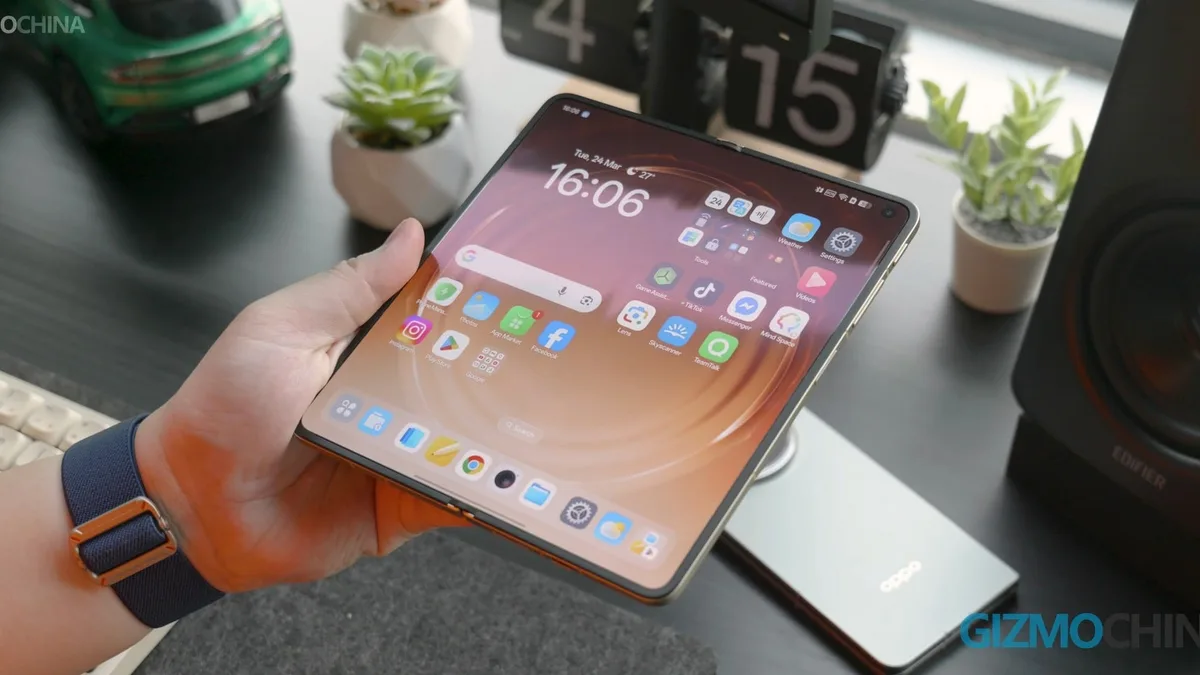
A compact premium tablet could also become a better companion device for foldable-phone owners. A foldable is excellent for quick expansion, but it is still a phone with battery, durability, and typing compromises. A small OLED tablet can handle reading, video, and notes without exposing the main phone to every task. Oppo is well placed to explore that overlap because it already understands large-screen Android software through phones and tablets. The trick is making the Pad Mini feel complementary, not redundant.