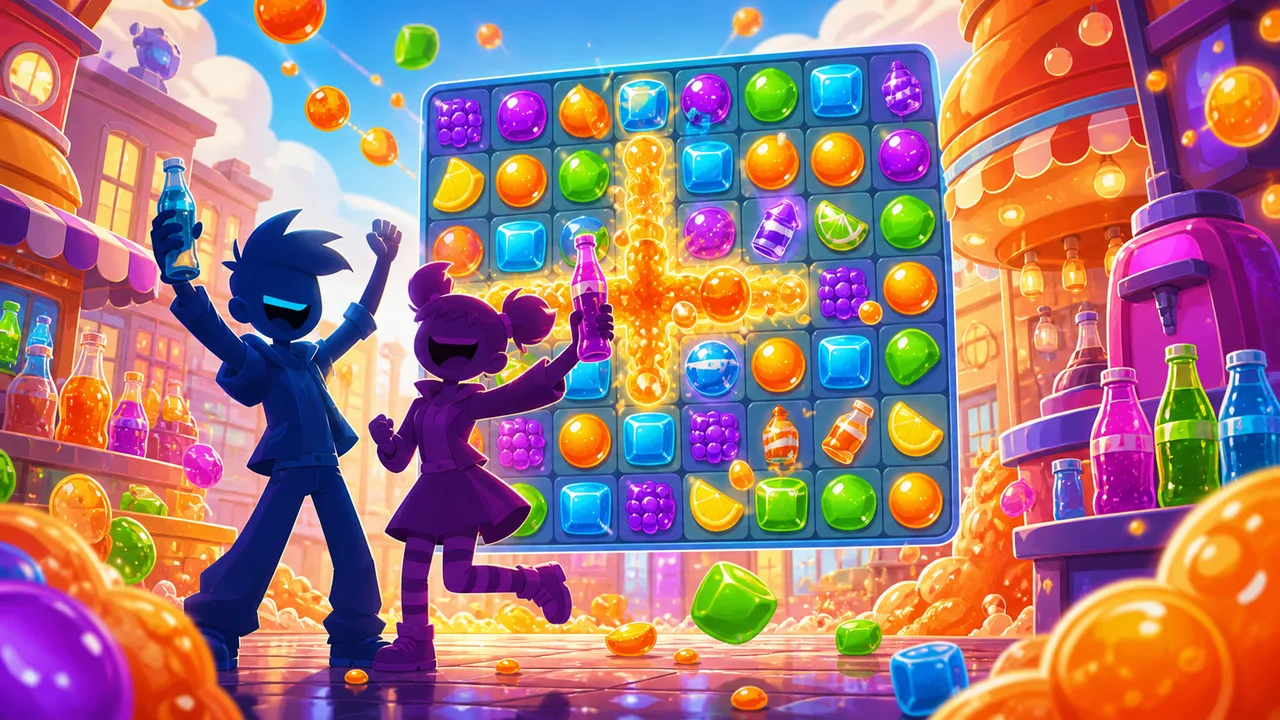
OrangePop is a smaller release than the showcase giants around it, but it understands something many nostalgic games miss: the hook has to be playable in seconds. The new mobile game uses Kenan Thompson and Kel Mitchells long-running orange-soda comedy association as the surface, then builds around a familiar match-3 structure for App Store and Google Play players. That is not a revolutionary design, but it is a practical one. Nostalgia can get someone to install a game. A clean puzzle loop is what keeps it on the phone.
The Kenan and Kel connection gives OrangePop a warmer identity than a generic branded puzzle game. The duo's history stretches from Nickelodeon sketches to Good Burger revivals, and their appeal has always been timing, exaggeration, and a kind of chaotic friendliness. A mobile game cannot recreate a sitcom, but it can borrow the color, pace, and sense of playful absurdity. If the writing and presentation are lively, OrangePop can feel like a small comedy object rather than just another grid.
The match-3 space is crowded, so the details matter. Boosters, level goals, reward pacing, animations, sound cues, daily tasks, and ad pressure all define the experience. A licensed mobile game that becomes too aggressive with monetization will burn through goodwill quickly. The smartest version of OrangePop would keep sessions short, readable, and generous enough that nostalgia feels rewarded instead of exploited.
People reported that OrangePop is now available on the App Store and Google Play while interviewing Thompson and Mitchell about fame, fan attention, and the habits they avoid to protect their mental health. That context is useful because it reminds players that this release is tied to real performers with decades of audience affection, not an anonymous brand asset.
Mobile games also live or die by how they respect attention. Players may open OrangePop on a commute, between tasks, or while watching something else. The interface needs to be bright without being messy, funny without slowing every level, and responsive on a wide range of Android and iOS hardware. This is where a puzzle game can quietly outperform bigger releases: it does not need expensive hardware, only smooth input and satisfying feedback.
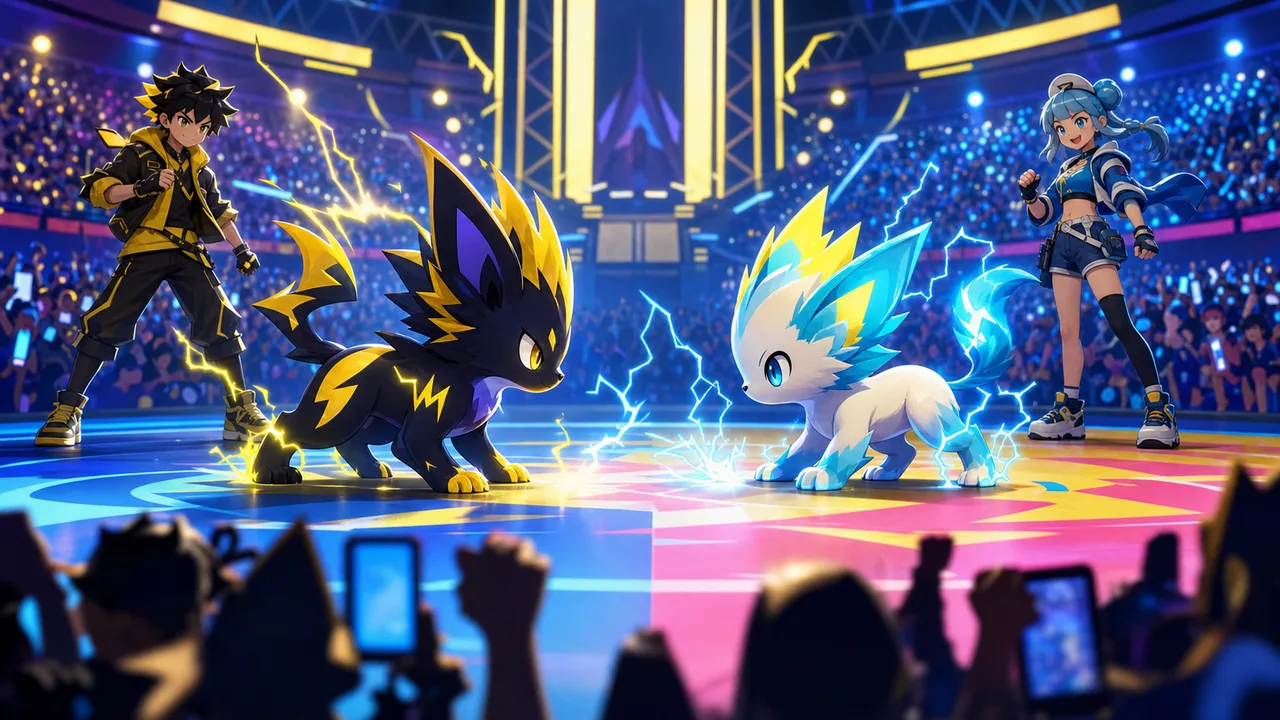
There is a natural connection to the broader mobile gaming push we are seeing with titles like Pokemon Champions on mobile. One is competitive and systems-heavy; the other is casual and nostalgia-led. Together they show why mobile games remain hard to generalize. The same device can host serious crossplay battles and a comedy puzzle game built around orange soda energy.
OrangePop will not change the game industry, and it does not need to. Its success will be measured by whether the puzzle loop is pleasant, the comedy flavor feels authentic, and the monetization leaves the good mood intact. For a small mobile release built on a familiar duo, that is a sensible target.
The best sign would be restraint. Quick jokes, short loading, readable board goals, and rewards that do not nag the player can make a licensed puzzle game feel surprisingly polished. OrangePop should behave like a cheerful diversion, not a notification machine chasing every spare minute.