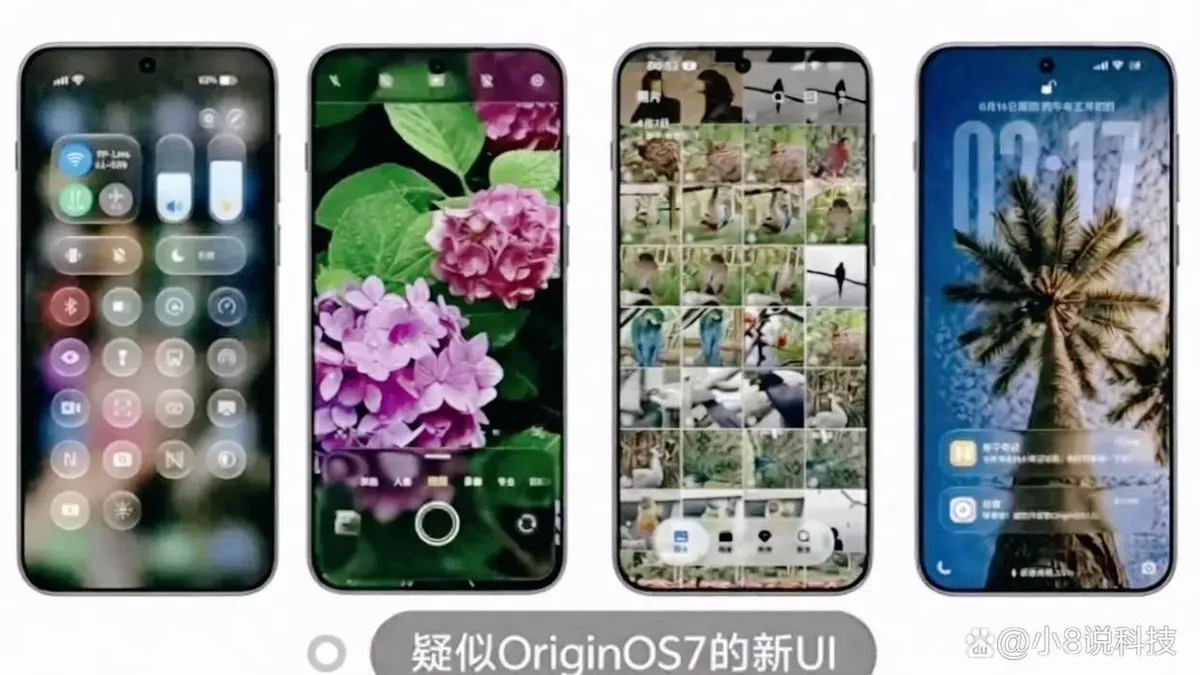
Phone software leaks can be more important than they first appear. A new OriginOS 7 UI leak suggests Vivo may be preparing more than a visual refresh. If the report is accurate, the company is working on the parts of a phone that users feel every minute: animation, multitasking, cross-device behavior, AI assistance, and the overall rhythm of moving through apps.
That is where Android brands are trying to stand apart now. Hardware has improved quickly across the market, but software polish still creates loyalty. Vivo has already been connecting phone design to AI workflows, and we covered that direction in Vivo's AI foldable strategy discussion. OriginOS 7 may be another piece of that same push.
搜狐网 published the reported OriginOS 7 UI exposure, describing a new interface direction that may emphasize experience rather than only surface-level icons. The article frames the leak around smoother daily use and AI capability.
The useful question is whether Vivo can make AI feel integrated instead of pasted on. A phone assistant should help search settings, summarize content, move files, understand screenshots, and coordinate between devices. If it only adds a few branded widgets, users will ignore it.
Animation quality matters too. Smooth transitions make a phone feel faster even before raw performance is considered. Poor animation makes powerful hardware feel cheap. Chinese phone brands have become much more serious about this, because buyers compare software feel as closely as camera samples.
OriginOS 7 also has to manage complexity. Vivo sells many devices at different prices. A new interface must scale across chipsets, memory levels, and display types without making cheaper phones feel neglected.
The leak does not reveal the full system, but it points to the right battleground. The next Android software fight is about whether AI, animation, and cross-device features can become one coherent experience rather than a pile of isolated tricks.
Vivo also has an opportunity to make AI feel local to the phone brand rather than borrowed from a generic assistant. That could mean camera suggestions that match Vivo's imaging style, file search that understands Chinese app ecosystems, or cross-device behavior tuned for Vivo tablets and watches. The more specific the assistant feels, the harder it becomes for users to replace it with a third-party app.
The challenge is avoiding visual churn. Users dislike major UI changes that move familiar controls for no reason. If OriginOS 7 changes the desktop, widgets, or notification behavior, Vivo needs the changes to feel calmer, not busier. A smoother AI phone experience should reduce taps and confusion. If it only adds decoration, the leak will promise more than the software delivers.
The leak also puts pressure on update delivery. A polished interface loses value if only a few new models receive it quickly. Vivo's user base spans many price tiers, and software reputation depends on whether older phones feel included. OriginOS 7 can improve the brand's image if the rollout is broad, stable, and clear about which AI features require newer hardware.