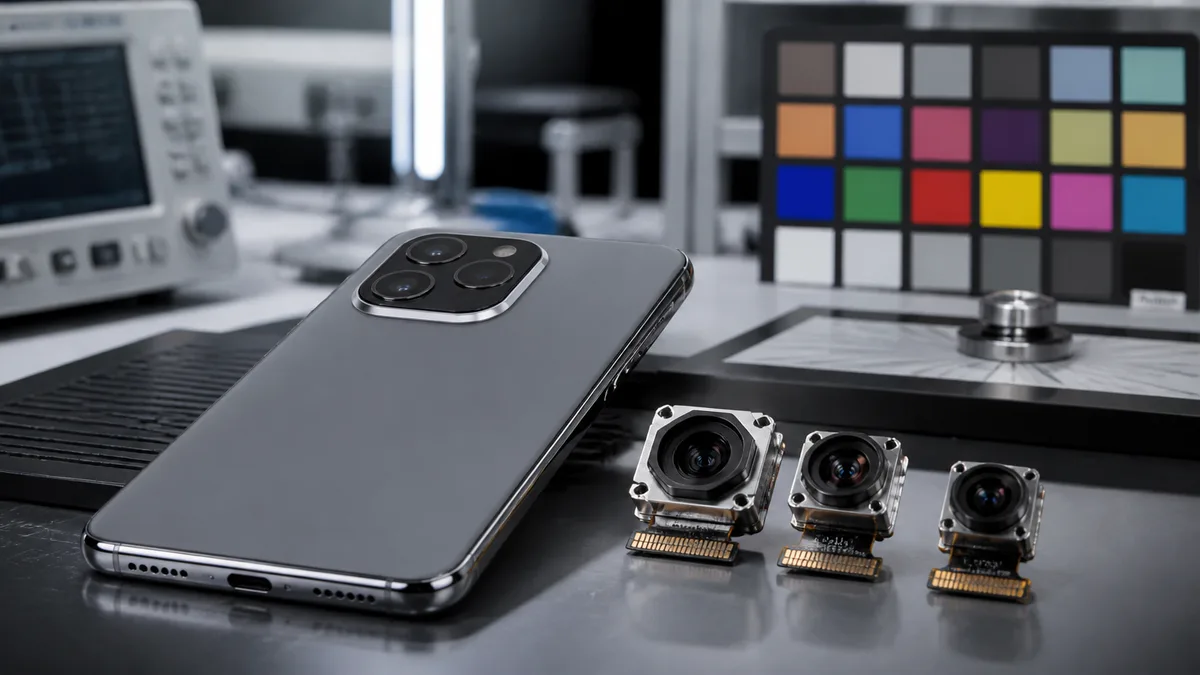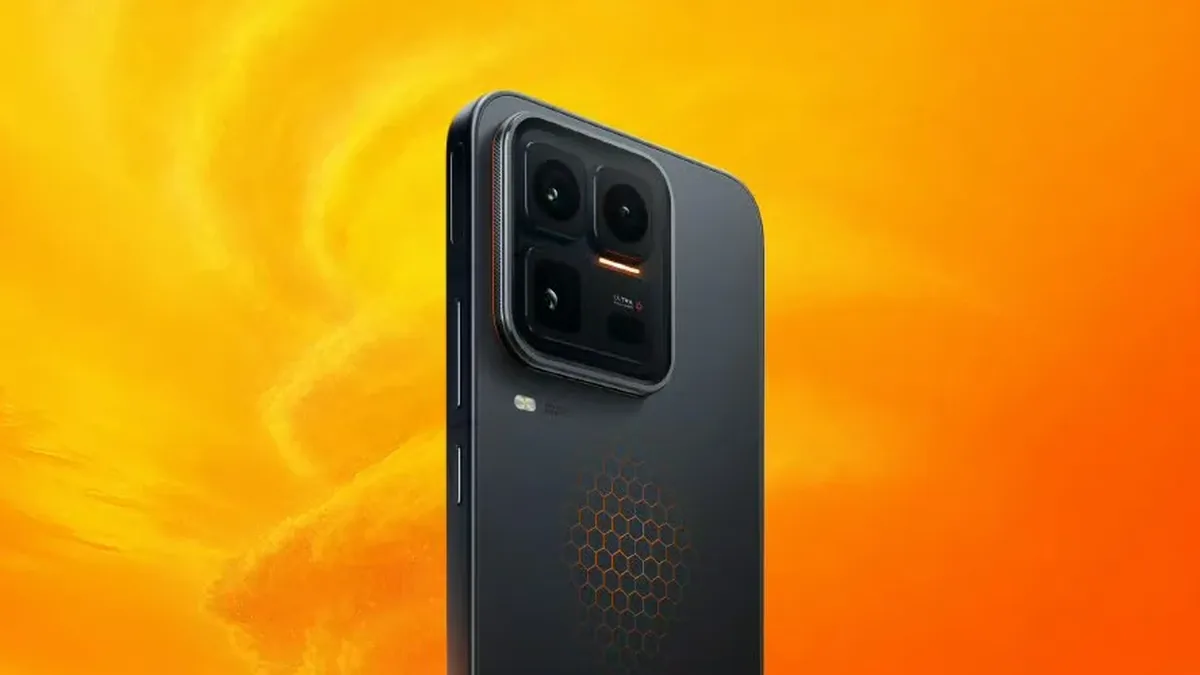
An Ultra phone usually exists to show what a brand can do when it stops being cautious. That is why a rumor about the iQOO 16 Ultra being canceled stands out. If the report is accurate, the decision may not be about lack of ambition. It may be about cost pressure, especially memory pricing, forcing the company to choose a simpler roadmap.
This is a useful reminder that phone launches are not planned in isolation. Memory, storage, display panels, camera sensors, and chipsets all move through price cycles. A flagship that looked profitable on paper can become harder to justify if component costs rise at the wrong time. Vivo and iQOO are also operating in a foldable and AI-heavy market, as we explored in Vivo's AI foldable discussion.
Gizmochina reports that iQOO may skip the iQOO 16 Ultra because of rising memory prices, while future Ultra models could return with more advanced technology. That caveat matters. A skipped generation is not the same as abandoning the Ultra idea.
The move would make sense if iQOO believes the standard and Pro models can cover most of the market. Ultra phones are expensive to build and market. They need standout cameras, screens, cooling, batteries, and charging to justify their names. If one or two headline parts become too costly, the whole product can lose its margin logic.
For buyers, the rumor is a sign that the premium Android race may become more selective. Brands might stop launching every possible variant if supply costs make the extra model unattractive. That could mean fewer phones, but also more focused product lines.
The danger for iQOO is visibility. Ultra models create attention even when they sell in smaller numbers. Skipping one may reduce hype around the broader series, especially among enthusiasts who influence online discussion.
Still, restraint can be smart. If the company waits until it can deliver a stronger Ultra with a clearer camera or AI advantage, the pause may look disciplined rather than weak. The memory-cost explanation is the part to watch because it could affect many brands, not only iQOO.
There is another possibility: iQOO may be trying to avoid an Ultra model that is only Ultra in name. Enthusiast phones are judged harshly when the camera, display, battery, or cooling story feels recycled. If component prices prevent the brand from delivering a genuine leap, skipping a generation could protect the badge. That is painful in the short term but better than teaching buyers that Ultra means only a slightly higher price.
This rumor also hints at how memory pricing can affect product variety. When parts become expensive, brands may consolidate around fewer models with clearer roles. That can be healthier for buyers because fewer overlapping phones make choices easier. It can also reduce experimentation. The next year of Android launches may reveal which brands choose restraint and which keep launching every possible variant.
The rumor will be worth comparing with launches from sister and rival brands. If several companies scale back Ultra variants, memory pricing may be a broader market force. If iQOO is alone, the decision may reflect its own portfolio priorities. Either way, the leak is a reminder that flagship roadmaps are financial documents as much as engineering plans.