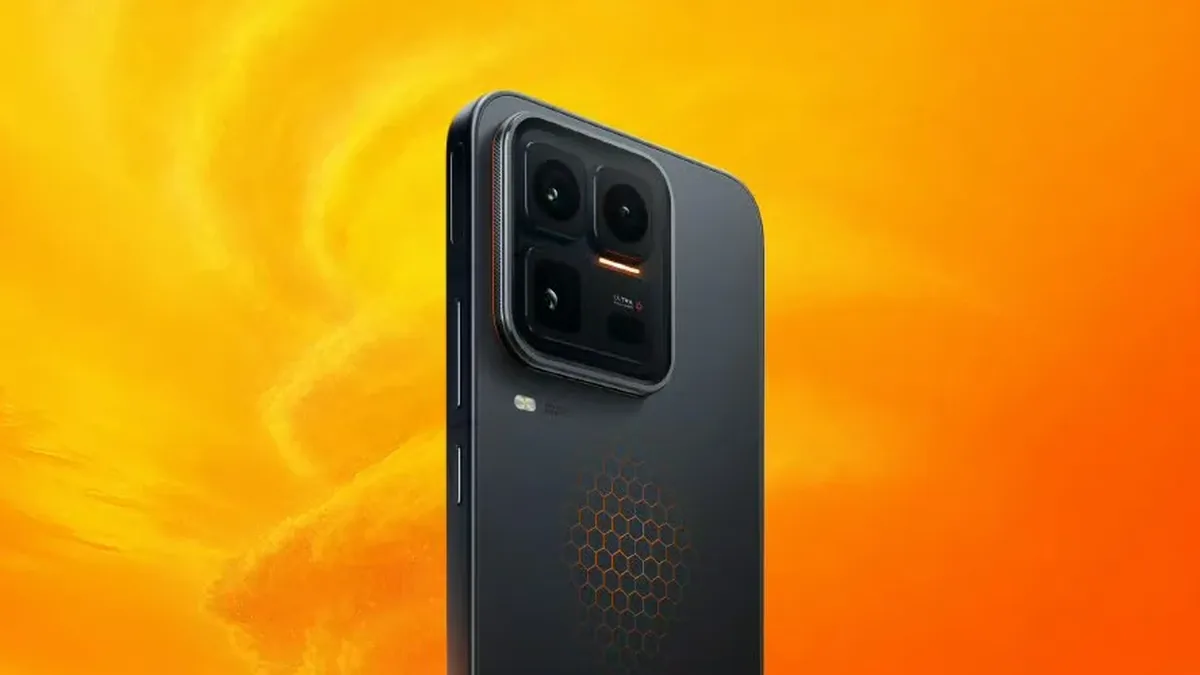
The most interesting part of the latest OnePlus display rumor is not only that a flagship may get a faster screen. It is that the 185Hz idea may spread into the OnePlus 16R and Nord 7 conversation. If that happens, OnePlus would be using display speed as a lineup identity rather than a single-model trick.
That could be a smart move. The R and Nord phones often carry the brand's value message, and a high refresh-rate display gives buyers something easy to feel. It is more visible than a small processor difference and easier to explain than camera processing changes. The rumor also connects with the broader OnePlus 16 display leak, where the flagship screen is already the central upgrade story.
Business Upturn reports that the OnePlus 16R and Nord 7 are tipped to receive 185Hz displays as part of a wider lineup move. That is still a rumor, but it suggests OnePlus may want a consistent performance feel across several price bands.
The challenge is making the feature useful. A 185Hz screen sounds impressive, but users will care more about smoothness, touch response, battery life, outdoor visibility, and app compatibility. If the refresh rate is locked behind a gaming mode or drains too much power, the spec becomes marketing noise.
OnePlus also has to keep the lineup clean. If too many phones share the same display headline, the flagship needs other reasons to cost more. Camera hardware, build quality, wireless charging, processor performance, and software support will have to carry the separation.
For midrange buyers, though, this could be good news. Display quality is one of the upgrades people notice immediately. A smoother panel can make a cheaper phone feel more expensive every time the user scrolls.
The rumor shows how fast premium specs are moving downward. OnePlus may be betting that display responsiveness is the easiest way to make its whole phone family feel faster, even before benchmarks enter the conversation.
A wider rollout would also let OnePlus build a simple showroom message. Instead of explaining small differences between panels, the company can say the whole performance line feels ultra-smooth. That helps retail staff, reviewers, and online buyers understand the brand promise. The danger is that every phone then needs enough battery and thermal tuning to support the claim without compromise.
The Nord angle is especially interesting because midrange buyers are more sensitive to visible value. They may accept an average telephoto camera or plastic frame if the display feels excellent every day. A smoother panel can make an affordable phone feel modern for longer, which is exactly the kind of upgrade that helps a brand keep loyal users moving through its lineup.
OnePlus will also need to support the hardware with update discipline. Smooth displays make software stutters easier to notice, especially after months of app updates and background services. If the company wants the 185Hz rumor to become a brand-wide advantage, it has to keep animations, drivers, and power profiles polished after launch, not only during review week.