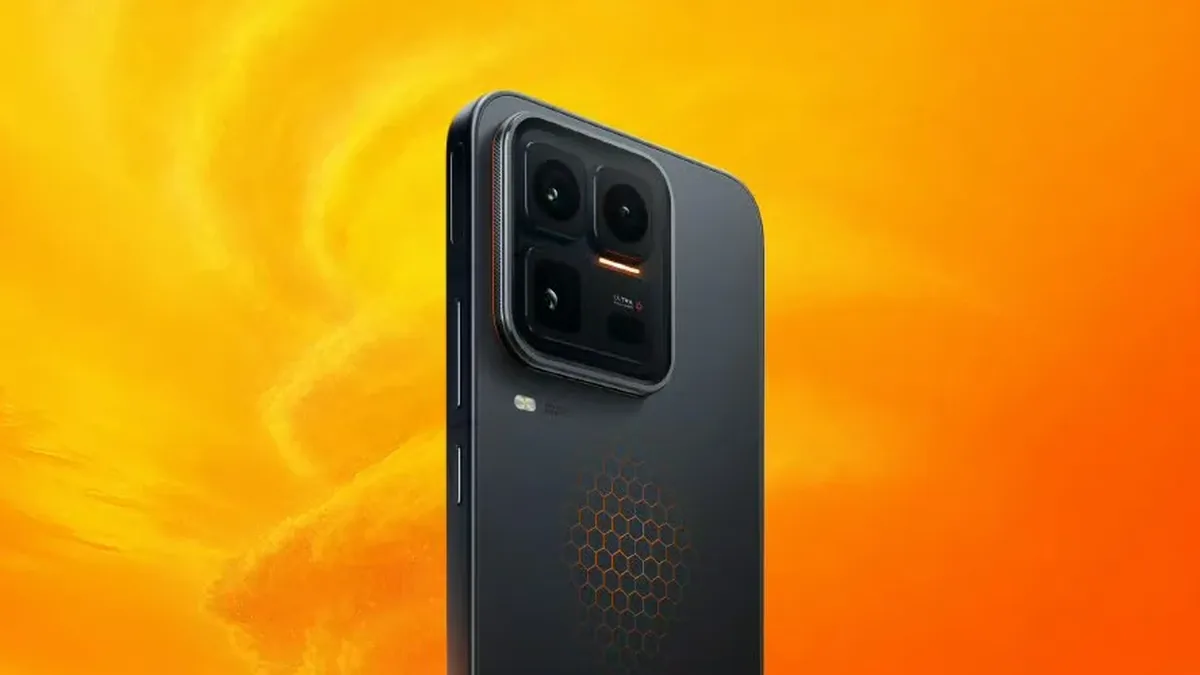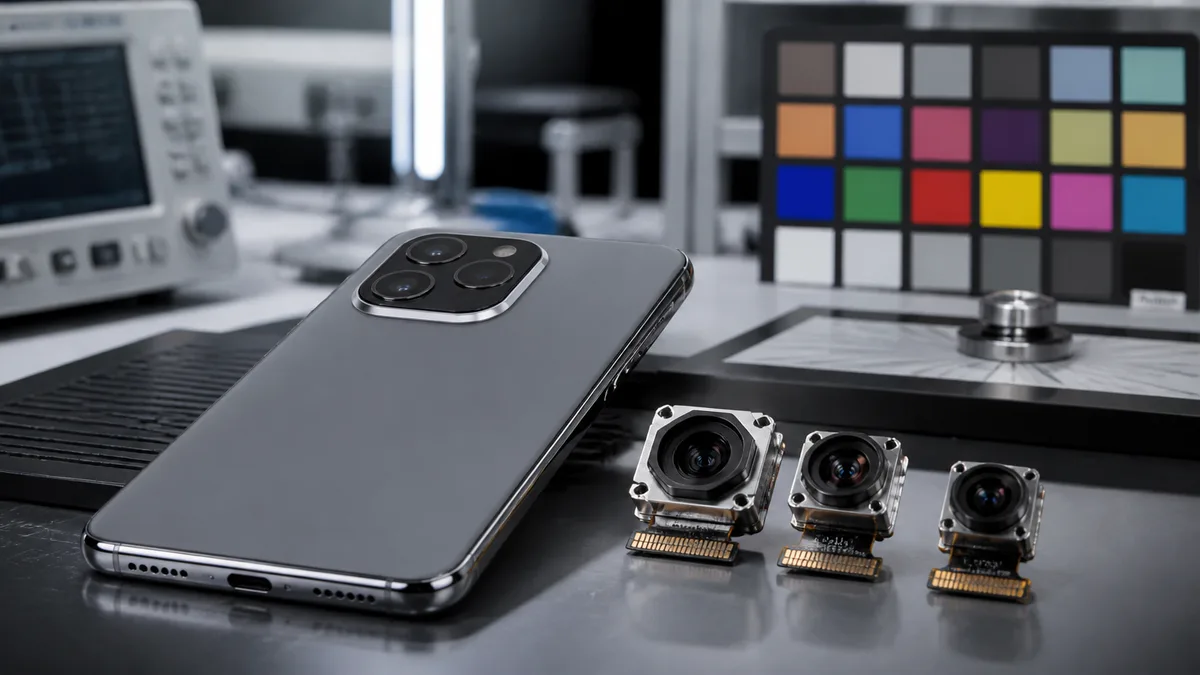
The iQOO 16 camera leak is interesting because it puts hardware back at the center of the flagship phone conversation. Computational photography is essential, but large sensors, lens quality, stabilization, and telephoto choices still decide how much the software has to rescue.
A reported triple 50-megapixel setup would signal that iQOO wants the next model to be taken seriously beyond performance gaming. The brand has often leaned on speed, cooling, and aggressive value, but camera credibility is what makes a phone feel complete at flagship prices.
It connects with our earlier coverage of flagship camera pressure. Android brands are now competing on zoom, sensor size, processing style, and consistency rather than megapixel count alone.
搜狐网 surfaced the iQOO 16 camera-spec leak in Chinese-language mobile coverage, pointing to a 50MP triple-camera direction and flagship imaging algorithms. The useful part is the combination of hardware and software, because one without the other rarely wins.
The technical question is balance. A strong main camera is expected, but the ultra-wide and telephoto cameras often reveal whether a phone is truly premium. Users notice when secondary cameras drop sharply in quality after sunset or indoors.
For iQOO, the camera story also has to fit the performance story. A phone built for gaming and heavy use needs thermal control that does not compromise camera processing, video recording, or battery life.
The market is unforgiving. Xiaomi, Oppo, Vivo, Honor, Samsung, and Apple all have strong camera narratives. iQOO can stand out if it delivers flagship imaging without abandoning the speed and price aggression that made the line appealing.
The leak does not prove sensor models, aperture, stabilization, or image pipeline details. Those are the numbers that matter after the headline. Triple 50MP sounds clean, but execution decides the result.
The next useful clues will be sample images, telephoto specs, chip details, and whether Vivo's broader imaging work appears in the iQOO line. That would make the leak feel more credible.
Video performance should be part of the conversation too. Many phone leaks focus on still photography, but buyers now use flagships for short-form video, travel clips, livestreaming, and family events. Stabilization, autofocus transitions, microphone quality, and heat control can matter as much as a still-image sensor list.
iQOO also has to avoid making the camera bump feel like decoration. If the hardware is strong, the camera app should make zoom ranges, portrait modes, night shots, and manual controls easy to trust. A phone can have impressive sensors and still feel inconsistent if the processing changes too much from lens to lens.
The September timing mentioned in the report would place iQOO near a crowded flagship window. That makes differentiation harder. The camera system has to be good enough to stand out when buyers are also hearing about new chips, brighter screens, larger batteries, and competing Android flagships arriving around the same season.
The report suggests iQOO wants the 16 to be judged as more than a fast phone. If the camera hardware and processing line up, it could become a stronger all-round flagship rather than a niche performance device.