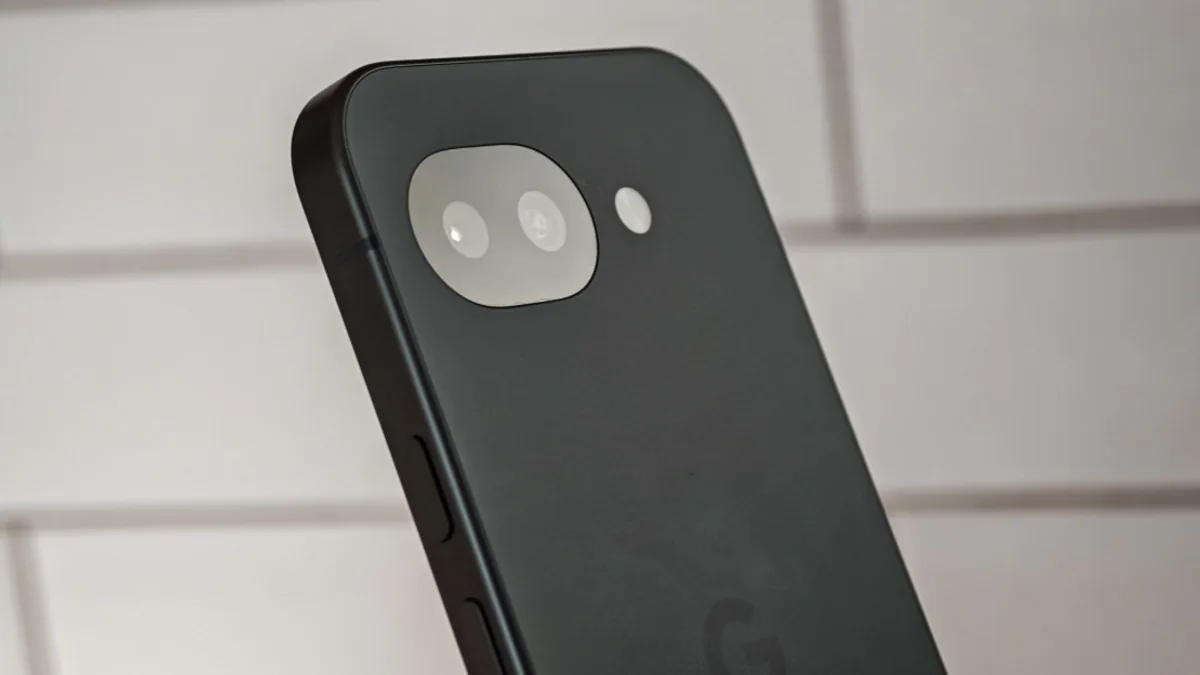
The Pixel 10A price cut is useful because it makes Google's budget-phone pitch more honest. The A-series has always depended on a simple promise: give buyers the Pixel camera and software experience without flagship pricing. That promise works best when the discount is strong enough to make the missing premium hardware feel reasonable rather than irritating.
Budget phones are not judged only by what they include. They are judged by the compromises buyers notice after a week. A slower display, smaller storage tier, weaker build materials, or less flexible camera system can be acceptable if the price is right. If the price creeps too close to discounted flagships, the same compromises become harder to defend.
That is why a deal on the Pixel 10A changes the conversation. It puts the phone back in the lane where Google's strengths matter most: clean Android, fast updates, reliable still photos, call features, and the familiar Pixel approach to computational photography. Those are meaningful advantages for people who do not want to manage a complicated phone.
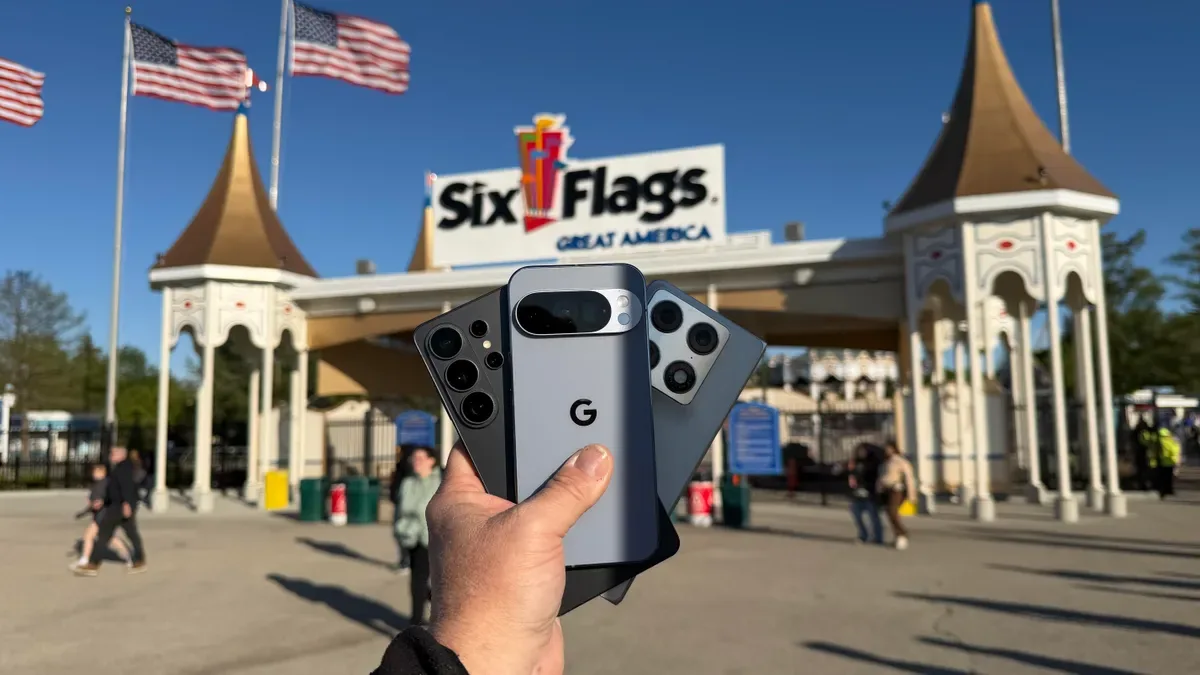
The current deal was noted by The Verge, and the timing is interesting as camera expectations keep rising across lower-priced Android devices. Our recent smartphone zoom comparison showed that software can still shape how impressive phone cameras feel, even when the hardware spec sheet looks uneven.
The Deal Defines the Phone
For the Pixel 10A, a lower price is not a side note. It is part of the product. Google's budget models rarely win by having the largest battery, fastest charging, or most aggressive display hardware. They win when the overall experience feels calm, predictable, and supported longer than many rivals in the same price band.
The danger is that mid-range Android competition has become stronger. Chinese brands, Motorola, Samsung's FE and A-series phones, and older flagships on discount can all crowd the same shelf. Some offer bigger batteries or faster charging. Others offer brighter displays. Google has to keep the Pixel 10A priced where its software experience feels like the reason to buy, not a consolation prize.
There is also a support angle. A cheaper phone with long update life can be a better buy than a flashier model that ages quickly. That matters for families, students, secondary devices, and people who keep phones for several years. Google's value story is strongest when the upfront price and long-term support work together.
The Pixel 10A does not need to pretend it is a flagship. The price cut helps it avoid that trap. When the deal is right, the phone can be judged on what it does well: reliable photos, useful software, and a simple Android experience that does not require a flagship budget.
That clarity matters for shoppers who are tired of inflated mid-range pricing. A buyer looking at the Pixel 10A is often choosing between a new affordable phone and an older discounted premium model. Google wins that comparison when the A-series feels current, secure, and easy to own. The discount helps by making the choice feel practical instead of purely brand-loyal.